









Introduction: Rediscovering the Past Through Modern Kitchens
The culinary world is experiencing a revival of ingredients that were once central to ancient diets and traditional culinary practices. Today, chefs and food enthusiasts are embracing the rich history and complexity of these historical ingredients to craft new, sustainable, and innovative dishes. From heirloom vegetables to ancient grains and forgotten spices, these ingredients are making their way back into modern kitchens, offering a window into the past while addressing contemporary concerns about health, sustainability, and flavor diversity.
The resurgence of historical ingredients is not simply about nostalgia; it is about the intersection of tradition and innovation, where chefs are blending age-old culinary techniques with modern sensibilities. This article explores the significance of historical ingredients in contemporary cuisine, delving into their cultural importance, nutritional value, and the ways in which they are being reinterpreted by chefs today.
Part 1: The Importance of Historical Ingredients
1.1 Defining Historical Ingredients
Historical ingredients refer to food items that were once commonly used in ancient or traditional diets but have largely been replaced by mass-produced or more commercially viable alternatives. These ingredients often have unique flavor profiles, nutritional benefits, and culinary significance that make them stand out from their modern counterparts. They are typically connected to specific regions, cultures, or agricultural practices and may include items like heirloom crops, wild-foraged herbs, or ancient grains.
Examples of historical ingredients include:
- Amaranth and quinoa, ancient grains cultivated by civilizations such as the Aztecs and Incas.
- Spelt, an ancient form of wheat used by the Egyptians and Romans.
- Bitter melon, a vegetable commonly used in Asian cuisine with medicinal properties.
- Kefir, a fermented dairy product that dates back to the Caucasus Mountains.
These ingredients not only offer distinctive tastes but also carry the weight of historical significance, providing a bridge between the past and present.
1.2 Historical Context and Cultural Significance
For centuries, historical ingredients were central to diets and health practices in various cultures. Many of these foods were chosen not only for their taste but also for their nutritional value, medicinal properties, and cultural relevance. For instance:
- Quinoa was considered a sacred food by the Inca civilization in South America and was referred to as “the mother of all grains.” It was integral to their diet, believed to bring strength and vitality.
- Olives, originating from the Mediterranean region, have been an essential part of diets for over 6,000 years and are highly valued for their health benefits, particularly in the context of the Mediterranean diet.
- Spices such as turmeric and coriander have been used in Indian cuisine for thousands of years, not just for flavor but also for their anti-inflammatory and antioxidant properties.
These foods were more than just sustenance; they were intertwined with the rituals, traditions, and belief systems of ancient cultures. As chefs and consumers look to the past for inspiration, they are not only rediscovering unique flavors but also reconnecting with cultural legacies and sustainable farming practices.
Part 2: The Drivers of the Revival
2.1 The Quest for Authenticity and Sustainability
One of the primary reasons behind the resurgence of historical ingredients is the increasing consumer demand for authenticity and sustainability. As industrial farming methods and monoculture crops dominate modern agriculture, there is growing interest in preserving biodiversity and supporting local farmers who cultivate heritage varieties of plants and animals.
In this context, historical ingredients offer an alternative to the mass-produced and genetically modified foods that have come to dominate global markets. Many of these ingredients, such as ancient grains or heirloom vegetables, are grown using more sustainable farming practices and contribute to the preservation of agricultural diversity.
For example, the rediscovery of heritage varieties of tomatoes, such as the Cherokee Purple or Brandywine, provides consumers with flavors that are richer and more complex than those found in commercially grown tomatoes, while also supporting small-scale farmers who preserve these varieties.
2.2 Health and Nutritional Benefits
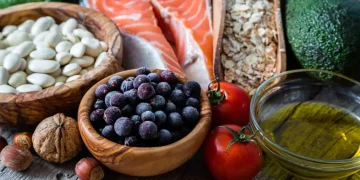
Another significant factor in the rise of historical ingredients is the growing awareness of the health benefits they offer. Many of these foods have been cultivated for thousands of years because of their nutritional density, medicinal properties, and adaptability to diverse climates. Modern consumers are increasingly seeking nutrient-dense, minimally processed foods that support long-term health and wellness.
For instance, quinoa is celebrated not only for its rich protein content but also for its status as a complete protein—it contains all nine essential amino acids, making it an excellent alternative to animal-based protein sources. Similarly, amaranth is rich in fiber, iron, and magnesium, offering numerous health benefits such as improved digestion and cardiovascular health.
Additionally, ingredients like turmeric, with its active compound curcumin, are being rediscovered for their anti-inflammatory and antioxidant properties, which contribute to overall wellness.
2.3 Culinary Innovation and Creativity
Chefs today are eager to explore new (or rather, ancient) culinary horizons, incorporating historical ingredients into their menus to offer unique dining experiences. The creative use of historical ingredients allows chefs to reinterpret traditional recipes while experimenting with new textures, flavors, and presentation styles.
For example, spelt flour is gaining popularity as a substitute for traditional wheat flour in both sweet and savory dishes. It has a nutty flavor and chewy texture that enhances baked goods such as bread, cookies, and pasta. Similarly, wild-foraged herbs and mushrooms, once considered niche ingredients, are being used by top chefs to create innovative salads, soups, and garnishes that push the boundaries of flavor and presentation.
Part 3: Notable Historical Ingredients Making a Comeback
3.1 Ancient Grains: A New Era for Amaranth, Quinoa, and Farro
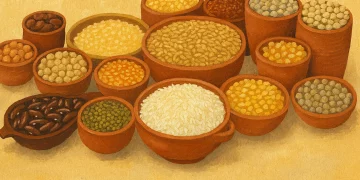
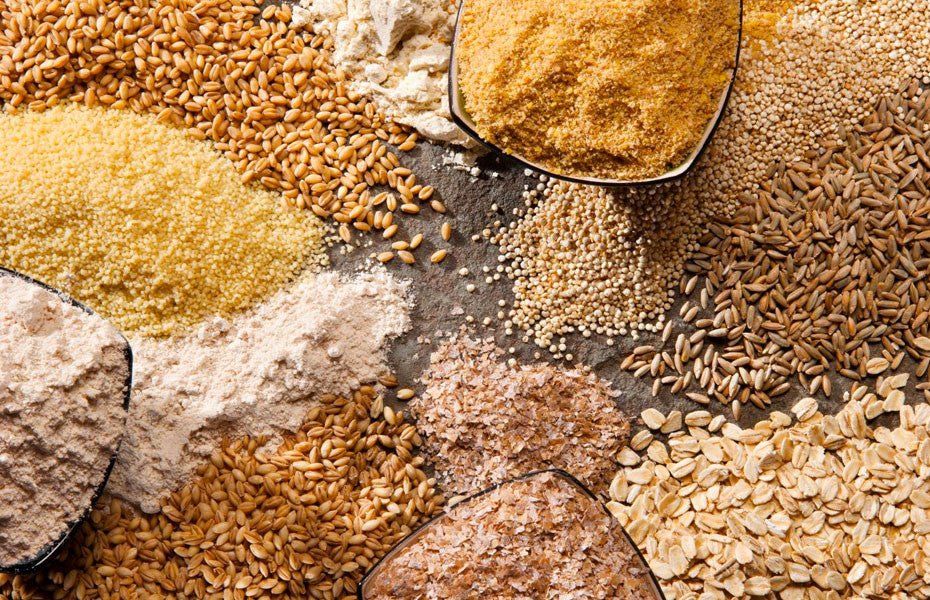
Ancient grains like amaranth, quinoa, and farro have made a significant return to the culinary world. These grains were staples in ancient civilizations, offering sustenance and nutritional value for millennia. Today, they are being rediscovered for their health benefits and versatility.
- Amaranth was a staple of the Aztecs and Incas and was considered a sacred crop. It is now celebrated for its high protein content, fiber, and gluten-free properties.
- Quinoa, once revered as the “mother of all grains” by the Inca civilization, has become popular worldwide due to its complete protein profile and versatility in various dishes, from salads to soups to baked goods.
- Farro, an ancient type of wheat used by the Romans, is regaining popularity in Mediterranean cuisine for its chewy texture and nutty flavor. It is being used in everything from salads to risottos.
These grains not only provide nutritional benefits but also offer chefs the opportunity to experiment with new textures and flavors in their dishes.
3.2 Heirloom Vegetables: Rediscovering Forgotten Flavors
Heirloom vegetables are varieties that have been passed down through generations, often due to their unique flavors, textures, and adaptability to local environments. Today, chefs are bringing these vegetables back to the forefront of the culinary world, offering a taste of the past in modern forms.
- Cherokee Purple tomatoes, Dragon’s Tongue beans, and Rainbow carrots are just a few examples of heirloom varieties that offer richer flavors and greater nutritional value than their commercially grown counterparts.
- The revival of ancient root vegetables like salsify, rutabaga, and Jerusalem artichokes is also gaining momentum. These vegetables, once central to European diets, are being used in soups, roasts, and purees.
Chefs are increasingly turning to heirloom vegetables to celebrate biodiversity, support local agriculture, and offer their customers a taste of history with every bite.
3.3 Forgotten Spices and Herbs
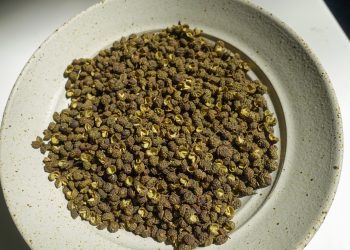
Many spices and herbs that were once integral to ancient diets are making a comeback. These ingredients often have strong aromatic qualities and medicinal properties that make them both flavorful and functional.
- Sumac, a tangy spice from the Middle East, is being used in salads, meats, and even desserts to add a citrusy punch.
- Miso, a fermented soybean paste from Japan, is now being used in new and creative ways, including cocktails and desserts, to add depth and umami.
The return of these spices and herbs is transforming modern kitchens by offering new opportunities for flavor exploration.
Part 4: The Future of Historical Ingredients in Modern Cuisine
4.1 The Role of Sustainability and Biodiversity
The modern revival of historical ingredients is inherently tied to sustainability and biodiversity. As global food systems become more industrialized, there is an increasing recognition that preserving the genetic diversity of crops is crucial for maintaining food security and environmental health.
Many of the historical ingredients making a comeback are being cultivated using organic, regenerative farming practices that prioritize the health of the soil and the environment. By reviving ancient crops, farmers are able to promote sustainable farming systems that are more resilient to climate change and reduce the environmental footprint of modern agriculture.
4.2 The Changing Role of the Chef
As the culinary world embraces historical ingredients, chefs are taking on a more dynamic role—not just as creators of dishes, but as custodians of culture and champions of sustainability. By incorporating these ingredients into their menus, chefs are preserving traditions while driving innovation, using their creative energy to highlight the flavors, textures, and stories behind the foods they prepare.
4.3 The Global Impact of Reviving Ancient Ingredients
The revival of historical ingredients is a global movement that transcends national borders and unites cultures through shared culinary traditions. As chefs and food lovers continue to embrace these ingredients, they are not just rediscovering the past—they are shaping the future of food.
Conclusion: A Culinary Renaissance
The modern revival of historical ingredients is more than just a trend—it’s a return to the roots of food. By embracing ancient grains, heirloom vegetables, and forgotten spices, chefs are crafting new culinary experiences that are deeply connected to history, sustainability, and innovation. These ingredients offer a unique way to explore the diversity of flavors, the richness of cultures, and the potential for a more sustainable future in food.
As this culinary renaissance continues, it’s clear that historical ingredients will not only shape the future of global cuisine but will also inspire a deeper connection to our cultural heritage and the planet we share.