









Introduction: The Invisible Foundation of Flavor
The phrase “you are what you eat” has long resonated in culinary and nutritional circles, but an even deeper truth is emerging: the flavor of food is intrinsically linked to the health of the soil it grows in. In recent years, an increasing number of chefs, farmers, and culinary innovators have begun to recognize the fundamental connection between soil vitality and taste complexity. Far beyond mere nutrition, soil health impacts the aroma, texture, and richness of produce, transforming the way ingredients perform on the plate.
This article explores the growing awareness among chefs about soil as a flavor catalyst, the science behind soil health and its effect on taste, and the ways culinary professionals are collaborating with farmers to create dishes that reflect the terroir of their regions. It also examines how these practices tie into larger themes of sustainability, biodiversity, and environmental stewardship, redefining modern gastronomy from the ground up.
Part 1: Understanding the Soil-Flavor Connection
1.1 The Science of Soil Health
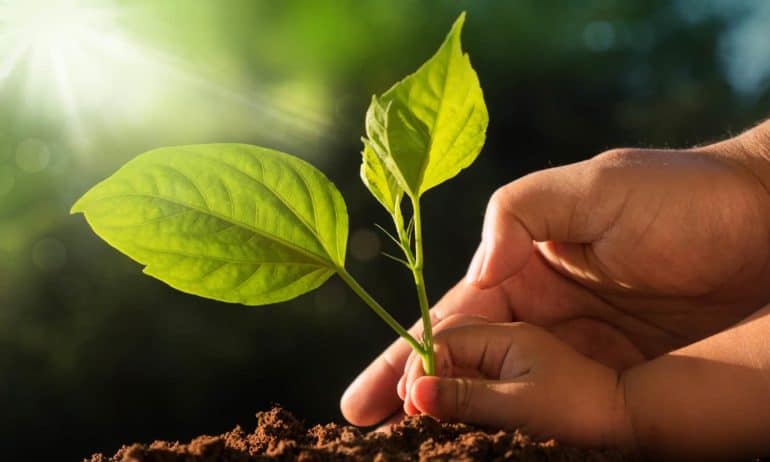
Soil is far more than just a medium for plant growth. It is a complex ecosystem composed of minerals, organic matter, microorganisms, and water. Each component contributes to the development of plant flavor compounds. For instance:
- Microbial Diversity: Soil bacteria and fungi interact with plant roots, facilitating nutrient uptake and stimulating the production of secondary metabolites, which contribute to flavor and aroma.
- Mineral Content: Soils rich in minerals like magnesium, calcium, and potassium can enhance the sweetness, bitterness, or umami notes in vegetables and fruits.
- Organic Matter: Compost and humus improve soil structure, water retention, and microbial activity, which in turn produces more robust, flavorful crops.
Research has shown that plants grown in healthy, biologically active soils often have higher levels of sugars, amino acids, and aromatic compounds, leading to more complex and nuanced flavors. Conversely, degraded soils or monoculture systems often produce crops that are uniform but less vibrant in taste.
1.2 Terroir and Culinary Expression
The concept of terroir, historically associated with wine, has gained traction among chefs seeking authentic flavor experiences. Terroir encompasses the soil composition, climate, topography, and ecosystem of a specific region, all of which shape the taste of the produce. Chefs who prioritize soil health are effectively capturing the sense of place in every dish, allowing diners to experience a true connection to the land.
Part 2: Chefs Leading the Soil Movement
2.1 Collaborations with Farmers
Forward-thinking chefs are increasingly partnering directly with farmers to ensure that their ingredients come from healthy, nutrient-rich soils. This involves:
- Soil Testing and Analysis: Chefs and farmers are using soil analysis to understand nutrient profiles and microbial diversity, allowing them to optimize crop flavor.
- Regenerative Practices: Many chefs advocate for regenerative farming techniques—such as cover cropping, crop rotation, reduced tillage, and composting—that restore soil structure and enhance microbial life.
- Seed Selection: Choosing heirloom or regionally adapted varieties ensures that crops thrive in local soils, maximizing both yield and flavor potential.
These collaborations go beyond simple ingredient sourcing; they represent a shared commitment to ecological stewardship and culinary excellence.
2.2 Farm-to-Table Elevated
While farm-to-table movements have existed for decades, the soil-focused approach elevates this concept. Chefs are no longer just seeking fresh, local ingredients; they are seeking ingredients cultivated in a way that enhances their flavor integrity. This shift has given rise to dishes that celebrate the nuances of soil, from root vegetables that express the mineral richness of their environment to herbs that carry the aroma of living, thriving ecosystems.
2.3 Case Studies: Soil-Centric Chefs
Several renowned chefs have championed this philosophy:
- Dan Barber (Blue Hill, USA): Barber emphasizes soil regeneration as central to flavor, collaborating with farmers to produce vegetables that are nutrient-dense and aromatic.
- Niki Nakayama (n/naka, USA): Nakayama explores seasonality and terroir, sourcing ingredients from biodynamic farms with a focus on soil vitality.
- Massimo Bottura (Osteria Francescana, Italy): Bottura has worked with farmers to highlight heritage crops grown in mineral-rich soils, elevating traditional Italian dishes with unique flavor profiles.
Part 3: Soil as a Narrative in Culinary Art
3.1 From Ingredient to Storytelling
Chefs are increasingly using soil-focused ingredients to tell stories on the plate. By highlighting the origin, cultivation, and environmental practices behind each ingredient, they create dishes that are educational and experiential, deepening the diner’s appreciation for both food and the land.
3.2 Flavor as a Reflection of Ecology
The flavors derived from healthy soils are dynamic and complex, often revealing subtle hints of the surrounding ecosystem:
- Earthiness: Root vegetables like beets, carrots, and radishes carry the essence of their soil, providing depth and authenticity.
- Minerality: Leafy greens and herbs can express subtle mineral notes, a direct reflection of soil composition.
- Aromatic Complexity: Microbial activity in soil can enhance secondary metabolites, intensifying flavors in fruits and vegetables.
By understanding and emphasizing these nuances, chefs are creating a new dimension of culinary storytelling, where flavor mirrors ecology.
Part 4: Regenerative Agriculture and Culinary Innovation
4.1 Principles of Regenerative Farming
Regenerative agriculture, a practice gaining popularity among chefs and farmers, focuses on restoring soil health while producing food. Key techniques include:
- Cover Cropping: Planting complementary crops to prevent erosion, improve fertility, and enhance microbial diversity.
- Composting: Returning organic matter to soil to improve structure and nutrient availability.
- No-Till Farming: Reducing soil disturbance to maintain microbial networks and soil integrity.
- Agroforestry: Integrating trees and shrubs into farms to create resilient ecosystems.
These practices not only improve crop quality but also contribute to carbon sequestration, reducing agriculture’s impact on climate change.
4.2 Culinary Innovation Inspired by Soil
Chefs have begun using regenerative agriculture ingredients as a source of inspiration for new dishes. Examples include:
- Root-to-Leaf Cooking: Using all parts of a plant to celebrate its growth in nutrient-rich soil.
- Fermentation: Harnessing microbial life from soil and local ecosystems to create unique fermented products.
- Seasonal Menus: Designing dishes that reflect soil-driven seasonal variations, enhancing flavor authenticity.
These techniques merge culinary creativity with environmental consciousness, reinforcing the role of chefs as both artists and stewards of the land.
Part 5: Challenges and Future Directions
5.1 Scaling Soil-Focused Practices
While soil-conscious cooking is inspiring, there are challenges in scaling these practices:
- Limited Supply: Small-scale regenerative farms cannot always meet the demand of high-volume restaurants.
- Knowledge Gaps: Not all chefs are trained in agricultural science, making collaboration and education essential.
- Cost Considerations: Soil-friendly farming practices can be more labor-intensive and costly than conventional methods.
5.2 The Role of Education and Advocacy
To overcome these challenges, chefs, farmers, and educators are fostering knowledge-sharing initiatives:
- Culinary Schools: Incorporating soil science and sustainable sourcing into curricula.
- Farmer-Chef Collaboratives: Encouraging dialogue and mutual learning between growers and culinary professionals.
- Public Awareness Campaigns: Educating diners about the importance of soil health in flavor and sustainability.
Through these efforts, soil-centric gastronomy has the potential to reshape the future of dining.
Conclusion: Flavor Grows from the Ground Up
The emerging focus on soil health represents a paradigm shift in modern gastronomy. By recognizing that the quality and flavor of ingredients are inseparable from the vitality of the soil, chefs are redefining what it means to create extraordinary dishes. This movement not only elevates taste and culinary artistry but also fosters sustainable practices, biodiversity, and environmental stewardship.
Ultimately, the relationship between soil and flavor reminds us that exceptional cuisine begins beneath our feet. By honoring and nurturing the ground that sustains us, chefs are cultivating a food culture that is ethical, flavorful, and deeply connected to the land.