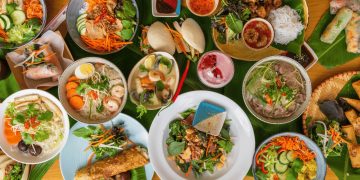










Introduction: The Rise of Fermented and Probiotic Foods
In recent years, fermented and probiotic-rich foods have emerged as cornerstones of modern nutrition, capturing the attention of both consumers and health professionals worldwide. With the growing awareness of the critical role of gut health in overall well-being, foods such as yogurt, kimchi, kefir, miso, sauerkraut, and kombucha have transcended their traditional cultural boundaries to become mainstream dietary staples. The surge in popularity of these foods is driven by a convergence of scientific evidence, culinary innovation, and consumer demand for functional foods that support immunity, digestion, and holistic health.
Fermented foods are not new; they have been part of human diets for millennia. What is revolutionary, however, is the modern understanding of the microbiome—the diverse community of microorganisms residing in the human gut—and its impact on metabolic health, mental well-being, and immune function. With the explosion of research linking gut microbiota to chronic diseases, stress management, and nutrient absorption, fermented and probiotic-rich foods have become more than just culinary delights—they are functional interventions for health optimization.
This article explores the science, cultural evolution, and global trends of fermented and probiotic foods, offering insights into their health benefits, culinary applications, and role in shaping modern dietary habits.
The Science of Fermentation and Probiotics
What Are Fermented Foods?
Fermentation is a natural process in which microorganisms such as bacteria, yeasts, and molds convert sugars and starches in food into acids, gases, or alcohol. This process not only preserves food but also enhances its nutritional value, flavor, and digestibility. Common examples include:
- Kimchi: A traditional Korean dish of fermented vegetables, usually cabbage, enriched with lactic acid bacteria.
- Sauerkraut: Fermented cabbage with a tangy flavor, widely consumed in Europe.
- Miso: A fermented soybean paste central to Japanese cuisine.
- Kefir: A fermented milk beverage rich in probiotics.
- Kombucha: Fermented tea containing beneficial bacteria and yeasts.
Understanding Probiotics
Probiotics are live microorganisms that, when consumed in adequate amounts, confer health benefits to the host. They are most commonly bacteria from the genera Lactobacillus and Bifidobacterium. Probiotics can be naturally present in fermented foods or added to functional food products.
Scientific studies have shown that probiotics can:
- Improve digestive health by balancing the gut microbiota.
- Enhance immune function by stimulating the production of antibodies.
- Contribute to mental health through the gut-brain axis.
- Aid in weight management and reduce the risk of metabolic disorders.
- Reduce the incidence of antibiotic-associated diarrhea.
The Microbiome Connection
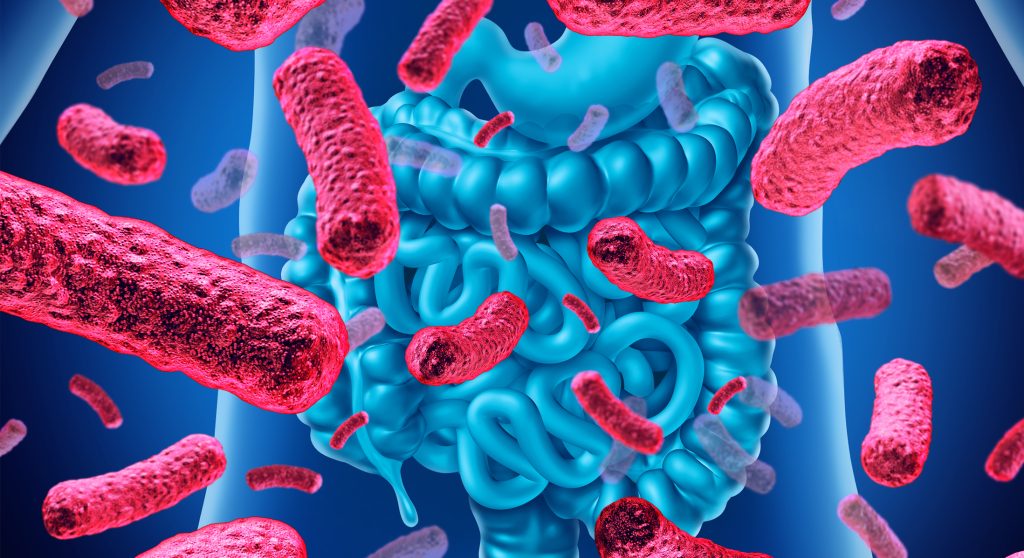
The human gut hosts trillions of microorganisms that influence numerous physiological processes, including:
- Nutrient metabolism and absorption.
- Immune system regulation.
- Neurotransmitter production affecting mood and cognition.
- Protection against pathogenic bacteria.
Fermented and probiotic-rich foods are instrumental in maintaining a balanced gut microbiome, which has been linked to improved physical and mental health outcomes.
Health Benefits of Fermented and Probiotic Foods
Digestive Health
One of the most well-documented benefits of fermented foods is their positive impact on digestive function. The live microorganisms in fermented foods can:
- Reduce bloating, constipation, and diarrhea.
- Improve nutrient absorption, particularly of vitamins B and K.
- Restore gut flora after antibiotic use.
Immune System Support
Approximately 70% of the immune system resides in the gut. A healthy gut microbiota, supported by probiotics, can:
- Enhance immune response against infections.
- Reduce inflammation linked to autoimmune diseases.
- Improve vaccination responses in vulnerable populations.
Mental Health and Cognitive Function
The gut-brain axis is a bidirectional communication system between the gut microbiome and the central nervous system. Fermented foods rich in probiotics may:
- Reduce symptoms of anxiety and depression.
- Support cognitive function and memory.
- Regulate stress-related hormonal responses.
Metabolic Health
Emerging research suggests that probiotics can positively affect metabolic parameters, including:
- Improved insulin sensitivity and blood sugar regulation.
- Reduced cholesterol levels.
- Potential support for weight management.
Global Culinary Trends and Fermented Foods
Traditional Fermented Foods Around the World
Fermentation is a universal culinary practice, with each culture offering unique foods:
- Asia: Kimchi (Korea), miso and natto (Japan), tempeh (Indonesia), pickled vegetables (China).
- Europe: Sauerkraut (Germany), kefir (Eastern Europe), sourdough bread (various countries).
- Middle East: Yogurt-based dishes, fermented cheeses.
- Africa: Injera (fermented teff bread), ogi (fermented cereal porridge).
Modern Fusion and Culinary Innovation
Chefs and food innovators are incorporating fermented ingredients into modern cuisine, creating fusion dishes that appeal to global palates. Examples include:
- Kimchi tacos blending Korean and Mexican flavors.
- Kombucha-infused cocktails and mocktails.
- Fermented hot sauces and condiments in high-end gastronomy.
- Fermented plant-based products to cater to vegan and vegetarian diets.
Functional Beverages
The global functional beverage market is embracing probiotic drinks:
- Kombucha: Sparkling fermented tea with a tangy flavor, rich in probiotics and antioxidants.
- Kefir-based smoothies: Combining probiotics with fruits, nuts, and seeds for nutritional enhancement.
- Fermented vegetable juices: Popular in health-conscious communities for their microbiome benefits.
Market Growth and Consumer Behavior
Rising Demand for Probiotic Foods
The global fermented and probiotic food market has witnessed exponential growth. Key drivers include:
- Increased health awareness among consumers.
- Rising prevalence of digestive disorders.
- Growing interest in functional foods and preventive nutrition.
- Social media influence promoting gut health trends.
According to recent market research, the global probiotic market is expected to reach $77 billion by 2030, driven by demand in Asia-Pacific and North America.
Personalized Nutrition and Fermentation
Innovative food companies are combining fermentation technology with personalized nutrition. AI-driven apps and health platforms can recommend specific fermented foods based on an individual’s gut microbiome profile, dietary preferences, and health goals.
Home Fermentation Trends
The COVID-19 pandemic and rising health consciousness have spurred home fermentation practices. Consumers are experimenting with:
- Homemade yogurt and kefir.
- Pickled vegetables and kimchi.
- Sourdough and fermented grains.
These trends reflect a broader desire for self-sufficiency, culinary creativity, and health empowerment.
Challenges and Considerations
While fermented and probiotic foods offer significant health benefits, several challenges exist:
- Quality and Standardization: The probiotic content can vary widely across commercial products, affecting efficacy.
- Safety Concerns: Improper fermentation can lead to contamination and foodborne illnesses.
- Consumer Education: Many consumers are unaware of the differences between fermented foods and probiotic-rich foods or how to incorporate them effectively into their diets.
- Regulatory Challenges: Health claims related to probiotics and gut health are subject to strict regulatory scrutiny in many countries.
The Future of Fermented and Probiotic Foods
- Technological Innovations: Advances in microbiome research and fermentation technology will enable the creation of next-generation functional foods targeting specific health outcomes.
- Personalized Fermented Foods: AI and microbiome testing may allow consumers to receive customized probiotic-rich meal plans tailored to their gut health and nutritional needs.
- Sustainability: Fermentation can reduce food waste by extending shelf life and converting surplus produce into nutrient-rich foods.
- Global Culinary Integration: Fermented foods will continue to be incorporated into modern gastronomy, blending tradition with innovation.
Conclusion: Embracing Fermentation for Global Health
Fermented and probiotic-rich foods are no longer niche products; they have become central to modern dietary trends worldwide. By supporting gut health, immunity, and overall well-being, these foods exemplify the growing consumer desire for functional, science-backed nutrition. As culinary innovation, microbiome science, and consumer demand continue to converge, fermented foods are poised to remain cornerstones of global diets, offering both culinary delight and measurable health benefits.
The continued exploration of fermentation and probiotics—across cultures, technologies, and personalized nutrition platforms—represents a holistic approach to food and health, bridging tradition and innovation for a healthier future.