









Introduction: Capitalizing on a Digital Dining Revolution
The global foodservice industry is undergoing a profound transformation. The rise of cloud kitchens and virtual restaurants has redefined the way food is prepared, marketed, and delivered, creating a new investment frontier in the post-pandemic era. These delivery-centric models, driven by technology, offer lower operational costs, higher scalability, and unmatched flexibility compared to traditional brick-and-mortar restaurants.
The COVID-19 pandemic accelerated trends that were already reshaping dining habits. With dine-in services restricted, online food delivery demand surged, creating fertile ground for business models that prioritize convenience, efficiency, and digital-first engagement. Venture capitalists, private equity firms, and strategic investors quickly recognized the potential of cloud kitchens and virtual restaurants to capitalize on these trends, sparking unprecedented interest in the sector.
This article explores the factors driving investment in cloud kitchens and virtual restaurants, the post-pandemic market dynamics, technological innovations, business models, challenges, and the implications for the global foodservice landscape.
The Emergence of Cloud Kitchens and Virtual Restaurants
Defining the Models
Cloud kitchens are commercial facilities dedicated solely to preparing food for delivery, often housing multiple virtual brands under one roof. By focusing exclusively on online orders, cloud kitchens eliminate the high costs associated with traditional restaurants, such as prime real estate, front-of-house staff, and elaborate décor. This model allows operators to scale rapidly and experiment with multiple food concepts simultaneously.
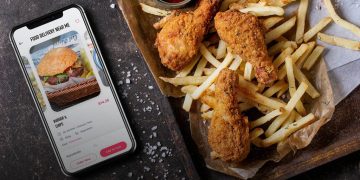
Virtual restaurants, or ghost kitchens, are delivery-only brands that exist without a physical storefront. They leverage cloud kitchen infrastructure or independent kitchens to prepare meals, relying on delivery apps such as UberEats, DoorDash, and Deliveroo to reach customers. This approach allows restaurateurs to tap into new market segments and test innovative menu concepts with minimal upfront investment.
Pre-Pandemic Foundations
Prior to 2020, cloud kitchens were already gaining attention in major urban markets. Companies like Kitchen United in the United States and Rebel Foods in India pioneered models that allowed multiple brands to operate from a single location, optimizing kitchen capacity and lowering costs. While initially a niche concept, the foundation for a delivery-first food ecosystem was firmly established, driven by growing consumer demand for convenience and technological integration.
The Pandemic as a Catalyst
Surge in Delivery Demand
The COVID-19 pandemic disrupted traditional dining patterns globally. Lockdowns, social distancing measures, and temporary restaurant closures forced consumers to rely heavily on food delivery services. In many markets, delivery orders increased by 50–200% in 2020, creating a surge in demand for delivery-optimized restaurant models.
Cloud kitchens and virtual restaurants emerged as ideal solutions, as they could operate safely without physical dining spaces while meeting the growing consumer appetite for convenience. Businesses that had previously struggled to scale could now expand rapidly with reduced overhead, catering to a broader geographic market without the limitations of physical locations.
Attracting Investor Interest
The rapid expansion of delivery services captured the attention of investors. Venture capital and private equity firms saw the potential for outsized returns in an industry where traditional constraints were minimized. Notable investments include:
- Rebel Foods (India): Raised over $250 million to expand its cloud kitchen network, supporting multiple virtual brands in diverse cuisine categories.
- Kitchen United (USA): Secured multi-million-dollar funding rounds to expand its multi-brand kitchen model, leveraging real estate efficiencies and delivery platforms.
- Ghost Kitchen Brands (Canada): Attracted significant private equity interest, focusing on scalable delivery-only concepts.
Investors recognized that cloud kitchens could scale quickly, respond to changing consumer demands, and operate with higher margins than traditional restaurants—all factors that made the sector highly attractive in a post-pandemic investment landscape.
Business Models and Investment Drivers
Multi-Brand Cloud Kitchens
One of the most compelling investment propositions is the multi-brand cloud kitchen model. By operating several virtual restaurants from a single kitchen, operators can:
- Optimize resource utilization and reduce idle kitchen time.
- Diversify revenue streams across multiple cuisines and market segments.
- Test new concepts with minimal capital expenditure.
This approach not only enhances profitability but also mitigates risk. If one virtual brand underperforms, others in the portfolio can offset losses, creating a balanced investment strategy for operators and investors alike.
Franchise and Aggregator Models
Cloud kitchens also benefit from franchise and aggregator partnerships. By partnering with established delivery platforms, they gain immediate access to a large customer base while avoiding the costs of customer acquisition. Additionally, some companies offer cloud kitchen spaces to independent operators under a franchise model, providing recurring rental income and long-term scalability potential.
For investors, these arrangements offer predictable revenue streams, higher operational leverage, and potential for geographic expansion without the capital intensity of traditional restaurant chains.
Data-Driven Decision Making
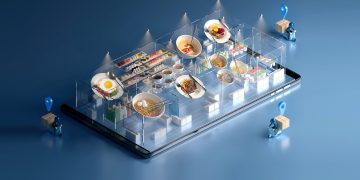
Investors are also drawn to the data-centric nature of virtual restaurants. Online orders provide real-time insights into consumer preferences, menu performance, and delivery efficiencies. Advanced analytics can optimize pricing, promotions, menu design, and kitchen operations, enabling rapid iteration and performance improvement.
Data-driven decision-making reduces operational risk, increases profitability, and creates a compelling narrative for investors seeking scalable, technology-enabled businesses.
Global Market Trends
North America
In North America, cloud kitchens and virtual restaurants have become integral to urban dining ecosystems. Companies such as Kitchen United, CloudKitchens, and DoorDash Kitchens are expanding rapidly in cities like New York, Los Angeles, and Chicago. The market growth is supported by high smartphone penetration, robust delivery infrastructure, and consumer familiarity with digital platforms.
Asia
In Asia, countries like India, China, and Singapore have seen explosive growth in cloud kitchens. Rebel Foods in India operates over 300 cloud kitchens across multiple cities, hosting dozens of virtual brands. In China, Ele.me and Meituan have integrated cloud kitchen concepts into their platforms, providing a seamless experience for consumers and expanding delivery capabilities.
Europe
Europe presents a fragmented but growing market. Delivery penetration varies by country, but the trend toward online food ordering and the adoption of cloud kitchens is accelerating. Key players include Taster (UK) and FoodStars (Germany), which operate multi-brand cloud kitchens catering to high-density urban areas.
Challenges and Risks for Investors
Market Saturation and Competition
As cloud kitchens proliferate, competition is intensifying. Investors must carefully evaluate market saturation and brand differentiation. Overcrowding in urban markets can erode margins, while insufficient delivery density in suburban areas may limit profitability.
Regulatory and Labor Considerations
Labor laws, food safety regulations, and zoning requirements vary across regions. Investors must account for regulatory compliance costs, potential labor shortages, and operational challenges in maintaining consistent quality and service standards.
Dependence on Delivery Platforms
Reliance on third-party delivery platforms poses a risk. High commissions, algorithmic changes, or platform outages can directly impact revenue. Investors often favor operators with strong platform diversification, direct-to-consumer channels, or proprietary delivery logistics.
Operational and Supply Chain Risks
Supply chain disruptions, ingredient cost volatility, and packaging challenges are ongoing concerns. Maintaining food quality during delivery, particularly for perishable items, requires careful operational planning and investment in technology and logistics.
Investment Outlook and Future Opportunities
Continued Growth Post-Pandemic
Even as pandemic restrictions ease, the trend toward online food delivery shows no signs of reversing. Convenience, time savings, and evolving consumer expectations have entrenched delivery as a core component of modern dining. Analysts project continued growth in cloud kitchen and virtual restaurant revenues, particularly in high-density urban markets.
Expansion into New Segments
Cloud kitchens and virtual restaurants are expanding into specialty diets, health-conscious offerings, and ethnic cuisines. Investors see opportunities in niche markets where traditional restaurants may struggle to scale efficiently.
Technology Integration
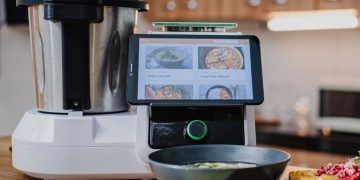
AI, automation, and robotics are transforming cloud kitchen operations. Automated cooking systems, predictive analytics for inventory and demand forecasting, and delivery drones or robots could further enhance efficiency and profitability, making these ventures even more attractive to capital markets.
Mergers and Strategic Partnerships
Consolidation is likely as larger players acquire smaller operators to expand geographic reach, diversify brand portfolios, and achieve economies of scale. Strategic partnerships with technology firms, delivery platforms, and food brands will create new investment avenues and reduce operational risk.
Conclusion: The Capital-Driven Future of Delivery-First Dining
Cloud kitchens and virtual restaurants represent one of the most dynamic intersections of technology, food, and investment in the 21st century. Post-pandemic shifts in consumer behavior have accelerated adoption, turning these models into attractive vehicles for venture capital and private equity.
While challenges exist—market competition, regulatory constraints, platform dependence—the potential for scalability, operational efficiency, and data-driven growth makes cloud kitchens and virtual restaurants compelling investments. As the food delivery ecosystem matures, these models are likely to dominate urban dining, redefine restaurant economics, and continue attracting capital eager to capitalize on the evolving future of food.
The convergence of convenience, technology, and entrepreneurial innovation ensures that cloud kitchens and virtual restaurants will remain a focus of investor attention for years to come, driving the transformation of the global foodservice industry.