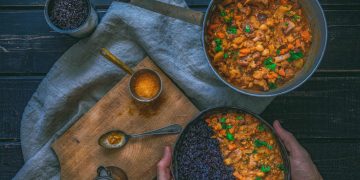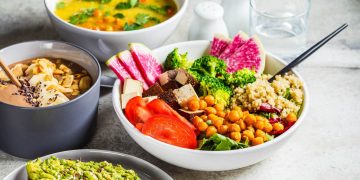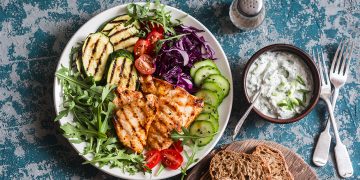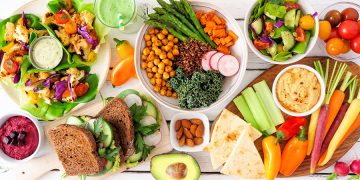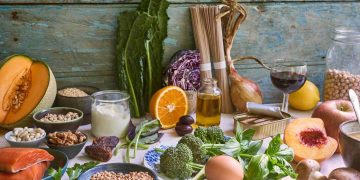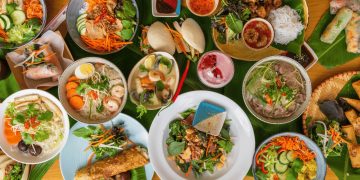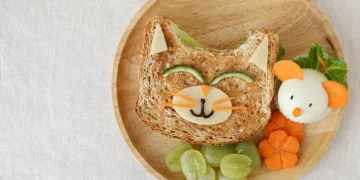






Food and art, once considered two distinct realms, have increasingly converged in recent years, marking a significant shift in both the culinary and artistic worlds. The blending of food with artistic expression has revolutionized how we experience food, transforming meals from simple sustenance into visual masterpieces that engage not only our taste buds but also our eyes, minds, and emotions. This fascinating intersection of creativity and culinary skills has opened new avenues for chefs and artists to explore, experiment, and redefine what food can be.
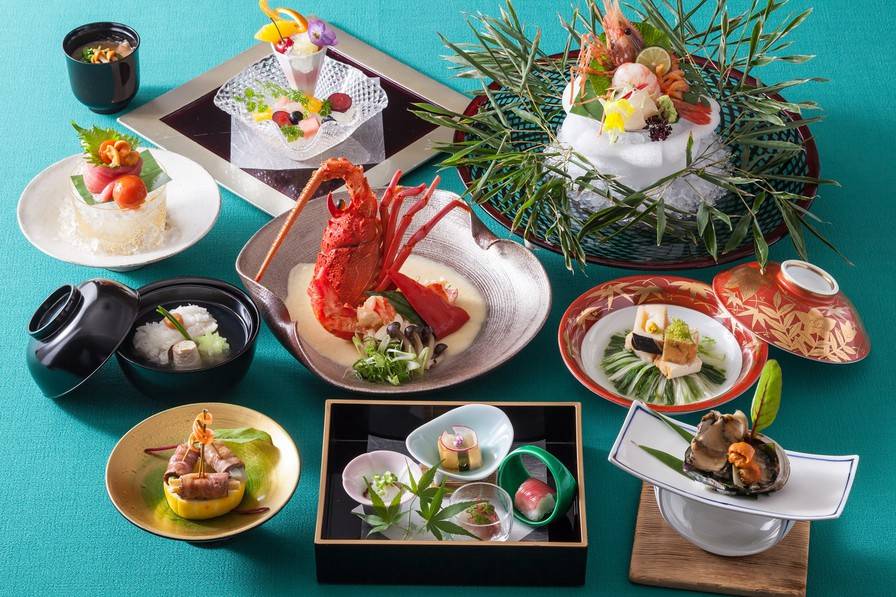
The trend of food as art has gained significant traction, particularly in fine dining establishments, food festivals, and even art galleries. The aesthetic appeal of food—whether through intricate food presentations, avant-garde culinary techniques, or edible sculptures—has captured the imaginations of both food lovers and art enthusiasts. This article delves into the emerging trend of food as art, exploring how culinary creativity is transforming the food industry, the relationship between food and artistic expression, and the growing recognition of food as a legitimate form of visual art.
The Rise of Food as a Form of Art
Historical Background: From Food as Function to Food as Art
Traditionally, food was valued primarily for its nutritional purpose—to nourish the body and satisfy hunger. However, with the evolution of fine dining, food began to be seen as more than just fuel for the body. By the mid-20th century, chefs in high-end restaurants began experimenting with food not only for taste but also for its visual appeal. This shift was a pivotal moment in the transformation of food into an art form.
The French culinary tradition has long been associated with the concept of food as art, with its meticulously designed dishes and the intricate techniques employed in preparing haute cuisine. However, the real evolution of food as an artistic expression came with the rise of molecular gastronomy and the advent of modernist cuisine in the 1980s and 1990s.
Pioneers like Ferran Adrià, the mastermind behind the now-legendary El Bulli restaurant, and Heston Blumenthal of The Fat Duck in the UK, helped elevate food to the status of fine art through their innovative techniques. Adrià, in particular, pushed the boundaries of culinary expression by using molecular techniques to create dishes that were visually stunning and intellectually engaging. The use of liquid nitrogen, foams, gels, and spherification not only altered the texture and flavors of food but also transformed the meal into an immersive experience.
The Role of the Chef as Artist
With the rise of molecular gastronomy and avant-garde cooking techniques, chefs began to take on roles that went beyond that of mere cooks. Today’s top chefs are often regarded as culinary artists, blending creativity, technique, and aesthetics in ways that parallel the work of visual artists. The role of the chef has evolved from preparing meals to creating gastronomic art, where the presentation, composition, and concept behind a dish are as important as the ingredients and flavors.
For example, René Redzepi of Noma in Copenhagen, widely regarded as one of the world’s best chefs, has elevated food to the status of an art form by using foraged ingredients and emphasizing a connection to the land. Each dish is carefully designed to tell a story, engaging the senses and inviting diners to consider the relationship between food, nature, and culture.
Redzepi’s creative approach has inspired a new generation of chefs who view food as a way to express their creativity and artistic vision. In doing so, they challenge conventional notions of what food is and what it can be. For them, food is not simply a product to be consumed but a medium to express ideas, evoke emotions, and create memorable experiences.
Food Design and Aesthetic Presentation
The Art of Food Styling
One of the most visible ways food has become an art form is through food styling—the art of arranging food in a visually appealing way. Food styling plays a crucial role in the presentation of dishes in both restaurants and food photography. The purpose of food styling is not just to make food look attractive but to enhance the overall dining experience by appealing to the eye and the senses.
Food stylists are often tasked with creating visually dynamic plates that enhance the dining experience. Their work involves carefully selecting ingredients, arranging them in aesthetically pleasing ways, and sometimes even using inedible props or tools to improve the presentation. A simple dish like a salad or soup can be transformed into a visually stunning creation through the careful use of color, texture, and proportion.
This trend has been fueled by the explosion of food photography, especially on social media platforms like Instagram, where beautiful images of food are shared with millions of users daily. The demand for visually striking food presentations has led to the emergence of food stylists and photographers who specialize in creating artful images of food. This has led to an increased emphasis on the artistic elements of food, with chefs and restaurants investing more in presentation and style.
Edible Art: Sculptures and Installations
Food is also being used as a medium for creating edible sculptures and art installations. Some chefs and artists use food to construct intricate and elaborate sculptures that are both visually stunning and meant to be eaten. These edible works of art often require advanced skills and hours of meticulous work, and the end result is a fusion of creativity and craftsmanship that challenges traditional definitions of food.
For example, fruit carving and vegetable sculpture are popular in many cultures, especially in Thailand, where food artists carve detailed designs into melons, pumpkins, and other produce. In the Western world, the art of sugar sculpting and chocolate work has become a celebrated skill in high-end pastry and confectionary arts.
One prominent example of edible art is the sugar sculptures created for wedding cakes and large events. These delicate and intricate sculptures are often molded into flowers, animals, and even architectural elements, turning a simple dessert into an ornate work of art. Similarly, chocolate sculptures can be designed to resemble everything from elaborate floral arrangements to life-like animals, blurring the line between food and fine art.
Food and Art in Modern Culture
Food in Art Galleries and Exhibitions
In recent years, food has transcended the kitchen and dining table and entered the world of contemporary art galleries and exhibitions. The intersection of food and visual art has been explored by numerous artists, who use food as a medium to explore social, cultural, and political themes. These art installations often serve to challenge the viewer’s perceptions of food and its cultural significance.
For instance, Ai Weiwei, one of China’s most prominent contemporary artists, used food in his art to make statements about the relationship between China’s political system and its people. In his “Snake” installation, Weiwei used sunflower seeds to cover the floor of the Tate Modern’s Turbine Hall, symbolizing the masses in China. Although this piece was not directly related to food consumption, it used food as a symbol to discuss broader societal issues.
Additionally, food art has become a popular theme in interactive art installations, where visitors are invited to touch, eat, or interact with food objects. These installations challenge traditional notions of art as something to be observed from a distance, encouraging a more active participation in the experience.
Performance Art and Food
Food has also become a medium for performance art, where artists use food as part of the live act. Rirkrit Tiravanija, a Thai-born artist, is known for his interactive installations in which he cooks meals for gallery visitors, turning the act of cooking and eating into an artistic experience. In these performances, food becomes a tool for social interaction, where the audience is invited to share in the creation and consumption of food.
Similarly, food-related performance art has also appeared in the form of food rituals and shared dining experiences that engage the audience in ways that challenge the boundaries between art, food, and community. These performances often focus on issues of consumerism, identity, and sustainability, using food as a medium for social commentary.
The Future of Food as Art
Technology and Innovation in Food Art
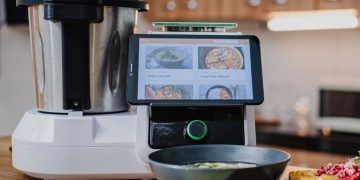
As the fusion of food and art continues to evolve, technology is playing an increasingly significant role in shaping the future of edible creativity. New innovations in food design, 3D food printing, and augmented reality (AR) are opening up exciting new possibilities for chefs and artists to experiment with food as a medium.
3D food printing, for example, allows chefs to create intricate designs and structures from edible materials. Using specialized printers, ingredients like chocolate, sugar, and dough can be printed into highly detailed forms, enabling the creation of complex edible sculptures and architectural pieces. This technology is pushing the boundaries of what can be achieved in the culinary and artistic realms, offering endless possibilities for creative exploration.
Augmented reality dining is another emerging trend, where technology enhances the dining experience by overlaying digital images and sounds onto the real-world environment. Some restaurants now incorporate AR elements into their meals, using projections to create interactive dining experiences that blur the line between physical food and digital art. This merging of technology, art, and food has the potential to revolutionize how we experience dining, making it an immersive, multi-sensory adventure.
Sustainability and Edible Art
As the world faces growing concerns over food sustainability and environmental impact, the concept of edible art is also being reimagined with an emphasis on using sustainable, local ingredients and food waste in creative ways. Zero-waste cooking and sustainable food practices are becoming increasingly important in the culinary world, and many chefs are incorporating these principles into their artful creations.
Chefs and artists are now experimenting with food waste to create edible art pieces that challenge the consumer to reconsider their relationship with food. By turning discarded or overlooked food products into art, they not only raise awareness about food waste but also promote a more sustainable approach to both food consumption and artistic expression.
Conclusion
The fusion of food and art is a dynamic and exciting trend that continues to evolve, pushing the boundaries of creativity and challenging our perceptions of both food and art. Whether through the innovative techniques of modernist chefs, the intricate designs of food stylists, or the social commentary embedded in food-related art installations, food has become much more than a source of nourishment. It has become a universal language that connects cultures, sparks conversation, and evokes emotion.
As technology, sustainability, and artistic experimentation continue to shape the future of food, we can expect the convergence of food and art to grow even more vibrant and complex. The days of food being simply a necessity are long gone. In the hands of chefs, artists, and designers, food has become a powerful tool for creative expression, a source of cultural dialogue, and a visual feast for the senses.
The intersection of food and art is a celebration of human creativity and the joy of sharing experiences, and it is clear that this trend will continue to flourish as food becomes an even more integral part of artistic culture. Whether through a meticulously plated dish or an avant-garde edible installation, food is now recognized not only for its ability to sustain life but for its capacity to enrich our cultural and artistic landscape.