









Introduction
In the world of gastronomy, the term “terroir” has long been associated with wine, referring to how the geography, climate, and soil of a specific region affect the characteristics of the product. However, terroir extends beyond wine and applies to all agricultural products, from fruits and vegetables to meats and dairy. The flavors and quality of food are profoundly influenced by the region in which it is grown, the climatic conditions, and the specific characteristics of the soil. These elements combine to create what we call “local taste” or “regional flavor.”
Understanding the relationship between terroir, food, and quality allows us to appreciate the true depth of the ingredients we consume. It sheds light on why the tomatoes from Tuscany, the cheese from the Swiss Alps, or the olive oil from Greece taste so uniquely different from others. It also emphasizes the importance of sustainability and local sourcing, showing that environmental factors not only influence the crops themselves but also the larger ecosystem and economy of the region.
This article will explore how climate, soil composition, and terroir contribute to the flavor profiles of food and the overall quality of ingredients. By examining case studies, scientific research, and historical context, we will better understand how nature’s elements shape the food we eat and why the emphasis on local, sustainable ingredients has become central to modern cuisine.
I. The Concept of Terroir in Culinary Terms
1. Defining Terroir Beyond Wine
Although the term “terroir” is most commonly used in relation to wine, it has broader implications in the world of food. Terroir refers to the unique set of environmental factors—climate, soil, altitude, topography, and local farming practices—that shape the characteristics of a product. In wine production, terroir determines the flavor profile of the wine, while in agriculture, it similarly impacts the flavor, texture, and overall quality of crops, animals, and even dairy products.
For instance, French terroir is legendary in the culinary world, with the diverse microclimates of regions like Bordeaux and Burgundy contributing to the distinct flavors of their wines, as well as the quality of the grains, fruits, and vegetables grown there. But this same idea can apply to a wide range of foods, from the cattle breeds in Argentina that are raised on the grass-fed pastures of Patagonia to the highland coffee beans of Ethiopia grown at specific altitudes that give them their distinct acidity.
2. Terroir’s Impact on Flavor and Quality
Terroir plays a pivotal role in how food tastes. The minerality of a soil, the amount of sunlight a plant receives, and the temperature fluctuations between day and night can drastically alter the composition of the product, making it sweeter, more savory, or even adding complexity in flavor.
For example, chocolate made from cacao beans grown in the volcanic soils of Ecuador will taste different from cacao beans grown in West Africa, due to variations in soil minerals, rainfall, and temperature. Similarly, fruits such as apples from New Zealand are renowned for their sweetness and crispness, a direct result of the cool coastal climate and rich soil conditions.
II. The Influence of Climate on Food Quality
1. Temperature and Growing Seasons
The climate of a region—the amount of rainfall, temperature ranges, humidity, and sunlight—directly influences the growing seasons of crops, which in turn impacts their flavor profiles. Warmer climates tend to produce crops with sweeter, more concentrated flavors, while cooler climates often lead to crisp, acidic, or earthy flavors.
For instance, grapes grown in the sun-drenched valleys of California will likely have higher sugar content due to the long growing seasons and hot days, which create wines with rich, fruity notes. In contrast, grapes from cooler climates, such as the Loire Valley in France, tend to be more fresh, crisp, and acidic, often producing wines that are bright and light.
Similarly, fruits such as berries in northern climates—blueberries, raspberries, and blackberries—often exhibit a more sharp, tart flavor compared to berries grown in warmer climates, which tend to be sweeter and more intensely flavored.
2. Rainfall and Soil Moisture
Rainfall patterns also play an essential role in food quality. Consistent rainfall results in lush, vibrant crops, while drought conditions can lead to stress in plants, often resulting in a more concentrated flavor profile but sometimes at the cost of overall yield.
Take tomatoes, for example. Sicilian tomatoes, grown in Mediterranean climates with abundant sunshine and just enough rain, develop rich, earthy flavors that make them a favorite for sauces and pastes. In contrast, tomatoes grown in regions with too much rain can have watery, bland flavors, leading to a less desirable quality for cooking.
III. The Role of Soil Composition in Flavor Development
1. Soil Types and Mineral Content
Soil composition—specifically the mineral content, pH, and texture of the soil—affects how plants absorb nutrients and develop flavor compounds. Clay-rich soils, for example, retain moisture well, producing crops that have a more uniform texture and balanced flavor, while sandy soils may yield crops with a more delicate or lighter flavor profile.
Terroir in wine is perhaps the best-known example of soil’s impact on flavor. Chalky soils, such as those found in Champagne or Chablis, give grapes a distinctive mineral quality. Similarly, grapes from volcanic soils, like those in Mount Etna, often have a more smoky, earthy flavor due to the minerals present in the soil.
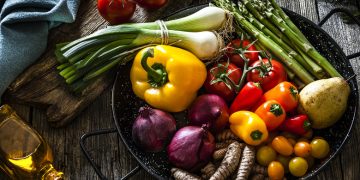
Beyond wine, the soil’s ability to affect flavor is also seen in vegetables, such as carrots, where the soil’s richness in organic matter directly influences their sweetness and color.
2. Organic Farming and Soil Health
In recent years, the focus on organic farming and soil health has become a central point of discussion in agriculture. The emphasis on healthy soils leads to better nutrient retention and balanced ecosystems, which ultimately results in healthier, more flavorful food. Organic methods often work to enhance soil structure, reduce chemical runoff, and promote the growth of beneficial microorganisms, which in turn enhance the quality of the crops.
For example, locally sourced organic vegetables, grown in healthy soil, typically feature a more robust flavor compared to their conventionally grown counterparts, which may have been subject to chemical fertilizers that can deplete soil health over time.

IV. How Terroir Shapes Animal Products
1. Meat Quality: The Influence of Grazing Environment
Just as crops are impacted by terroir, so too are animal products such as meat and cheese. The quality of meat depends on the animals’ diets and the environment in which they are raised. Grass-fed cattle, for example, will develop a leaner, more flavorful meat compared to grain-fed animals, with the specific type of grass and its mineral content adding complexity to the taste.
In regions like Argentina, where cattle graze on lush, natural pastures, the grass-fed beef is known for its rich, tender texture and distinctive grassy flavors. In contrast, beef raised in more industrialized environments may lack the deep flavor profiles associated with traditional farming methods.
2. Dairy Products and Terroir
Cheese and other dairy products also reflect the terroir of their region. The milk used to make cheese can vary greatly depending on the diet of the cows, goats, or sheep, as well as the microbial environment in the area. For example, Parmigiano-Reggiano cheese, made in Emilia-Romagna, has its distinctive flavor due to the local grasses that cows eat, combined with the ancient cheesemaking techniques developed in the region.
V. Sustainability and the Future of Terroir in Global Cuisine
1. The Growing Interest in Local Sourcing
As the world becomes more connected, there is a growing interest in local sourcing and sustainability in the food industry. The global movement toward slow food, organic agriculture, and sustainable farming is rooted in the recognition of terroir’s importance. Chefs and farmers alike are emphasizing the preservation of local ecosystems and the promotion of biodiversity to ensure that terroir remains an integral part of future food production.
2. Supporting Local Economies
The resurgence of interest in local, terroir-driven ingredients has also led to the development of local food economies. By celebrating regional specialties and focusing on sustainability, we can foster stronger food systems that are less dependent on global supply chains and more resilient to climatic changes.
Conclusion
The flavor and quality of food are deeply influenced by the terroir—the interaction between the soil, climate, and topography of a region. The emphasis on local, sustainable ingredients not only ensures higher-quality food but also preserves the unique identity of the food cultures across the globe. As we move forward, chefs, farmers, and food enthusiasts alike will continue to explore how to combine the best of local terroir with global flavors to create dishes that are not only delicious but also deeply connected to the earth and the traditions from which they come.
By honoring the relationship between place and food, we create a world where cuisine is celebrated not just for taste, but for the story it tells, from the soil to the plate.