







Introduction: The Importance of Traditional Healthy Diets
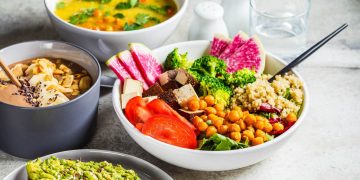
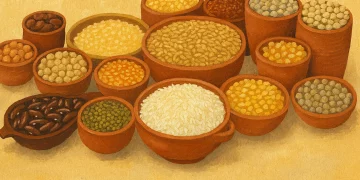
In today’s world of fast food and modern conveniences, it can be easy to overlook the wisdom of traditional diets that have sustained populations for generations. These diets are deeply rooted in culture, history, and natural resources, often focused on whole, minimally processed foods and balanced nutrition. The concept of a traditional healthy diet is not only about the foods consumed but also the way in which they are prepared, shared, and enjoyed. In this article, we will explore various traditional healthy diets from around the world, highlighting their nutritional value, the philosophy behind them, and how they can offer valuable lessons for modern eating habits.
The Mediterranean Diet: A Benchmark of Longevity and Heart Health
Origin and Key Components
The Mediterranean diet is often hailed as one of the healthiest diets in the world. It is based on the traditional eating patterns of countries bordering the Mediterranean Sea, such as Greece, Italy, Spain, and southern France. This diet is characterized by a high intake of fruits, vegetables, whole grains, legumes, nuts, seeds, and olive oil, with moderate consumption of fish and poultry, and low consumption of red meat and dairy.
Health Benefits
Numerous studies have linked the Mediterranean diet to numerous health benefits, including reduced risk of heart disease, stroke, and certain cancers. It is also associated with improved cognitive function, weight management, and better blood sugar control. The primary source of fat in the Mediterranean diet is olive oil, which provides heart-healthy monounsaturated fats and antioxidants.
Cultural and Lifestyle Considerations
In addition to its food components, the Mediterranean diet is a reflection of the lifestyle of the region, which emphasizes enjoying meals with family and friends, engaging in physical activity, and taking time for relaxation. This holistic approach to health and well-being is one of the reasons why the Mediterranean diet has become a model for healthy eating worldwide.
The Asian Diet: Balance, Variety, and Plant-Based Eating
Origins and Key Principles
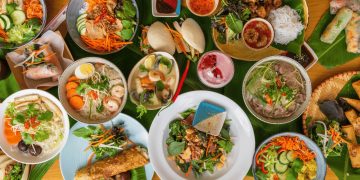
The traditional Asian diet, particularly in countries like Japan, China, and Korea, places a strong emphasis on balance and variety. Plant-based foods, including rice, vegetables, tofu, seaweed, and fermented foods, are staples in this diet, with meat and fish consumed in smaller portions compared to Western diets. Rice is the foundation of many meals, and it is often accompanied by a wide array of vegetable dishes, pickles, soups, and fish.
Health Benefits
The traditional Asian diet is known for its potential to promote longevity and prevent chronic diseases. For instance, the Japanese diet, which is rich in fish, seaweed, and fermented foods like miso and soy sauce, has been linked to a reduced risk of heart disease, high blood pressure, and cancer. The Mediterranean diet and the Asian diet share a common focus on plant-based foods and healthy fats, which are important for reducing inflammation and promoting cardiovascular health.
Cultural Significance
Meals in many Asian cultures are often seen as a communal activity. The variety of foods and flavors in a traditional meal not only contribute to nutritional balance but also create a sense of harmony and social connection. Additionally, practices like mindfulness and eating slowly are integral parts of the eating experience in many Asian cultures, further emphasizing the importance of enjoying food and being aware of one’s body’s needs.
The Nordic Diet: Eating with the Seasons
Key Features
The Nordic diet, inspired by the traditional eating habits of Scandinavia (Sweden, Denmark, Norway, and Finland), is centered on locally sourced and seasonal ingredients. It emphasizes whole grains (such as rye and oats), root vegetables (like potatoes and carrots), fatty fish (such as salmon and herring), berries, and dairy products like fermented milk.
Health Benefits
The Nordic diet is rich in omega-3 fatty acids, antioxidants, and fiber, which contribute to a healthy heart, improved digestion, and reduced inflammation. The consumption of fatty fish in particular has been shown to improve brain health and decrease the risk of neurodegenerative diseases. The diet’s reliance on seasonal, whole foods also supports a healthier gut microbiome, promoting overall digestive health.
Sustainability and the Environment
One of the key principles of the Nordic diet is sustainability. Foods are sourced locally, and seasonal eating reduces the environmental impact of food production. This diet also encourages the consumption of wild-caught fish and locally grown produce, which not only supports a healthy ecosystem but also aligns with the growing trend toward environmentally conscious eating.

The Traditional Latin American Diet: A Celebration of Color and Flavor
Cultural Foundations
In Latin America, the traditional diet is heavily influenced by indigenous foods such as corn, beans, and squash, along with the introduction of foods from Europe, Africa, and the Middle East. These diets are rich in fruits, vegetables, legumes, whole grains, and lean meats, with an emphasis on fresh and unprocessed foods. The Latin American diet also makes extensive use of herbs and spices such as cilantro, chili peppers, and garlic, which add flavor and health benefits.
Health Benefits
A traditional Latin American diet is high in fiber, vitamins, and antioxidants, which contribute to overall health and help prevent chronic conditions like heart disease and diabetes. For example, beans are a key source of plant-based protein, while corn provides complex carbohydrates and fiber. The use of healthy fats, such as avocado and olive oil, promotes heart health and reduces inflammation.
Social and Cultural Dimensions
Food in Latin American cultures is often an important part of social gatherings. Traditional dishes are shared among families and communities, reinforcing the sense of connection and tradition. Meals are not only about nourishment but also about enjoying the company of others and celebrating cultural identity.
The Traditional African Diet: Rooted in Sustainability and Nutrient Density
Core Elements
The traditional African diet varies widely across the continent, but it is generally based on whole, nutrient-dense foods. Staples include sorghum, millet, teff, yam, cassava, and a wide variety of fruits, vegetables, and legumes. Meat and fish are often consumed in smaller portions, and plant-based protein sources like beans and lentils are common.
Health Benefits
The African diet is rich in fiber, vitamins, and minerals. The high consumption of vegetables and whole grains is beneficial for digestive health, weight management, and reducing the risk of chronic diseases. The use of herbs and spices, such as ginger, garlic, and turmeric, also provides anti-inflammatory and antioxidant benefits.
Sustainability and Cultural Values
The African diet emphasizes the use of locally grown, seasonal foods, supporting sustainability and reducing environmental impact. Traditional farming practices also align with sustainability, focusing on the preservation of soil health and biodiversity. Meals are often communal, reinforcing cultural values of sharing and togetherness.
Integrating Traditional Diets into Modern Life
While the traditional diets of various cultures may seem quite different on the surface, they share common principles that can be applied to modern life. These diets emphasize whole, minimally processed foods, plant-based eating, and balance. Integrating these practices into modern diets can help address the growing prevalence of chronic diseases such as obesity, diabetes, and heart disease.
Practical Tips for Adopting a Traditional Diet
- Focus on Whole, Fresh Foods: Prioritize fresh fruits, vegetables, whole grains, legumes, and healthy fats.
- Practice Moderation: Consume meat and dairy in moderation, focusing more on plant-based sources of protein.
- Embrace Diversity: Incorporate a variety of foods and flavors into your meals to ensure a well-rounded nutrient intake.
- Share Meals with Loved Ones: Engage in the social aspects of eating, whether it’s cooking with family or sharing meals with friends.
Conclusion: The Timeless Value of Traditional Diets
In a world where convenience and processed foods dominate, traditional diets offer a much-needed reminder of the importance of balance, simplicity, and mindfulness in our eating habits. By returning to the principles of these time-tested eating patterns—whether Mediterranean, Asian, Nordic, Latin American, or African—we can improve our health, nourish our bodies, and build stronger connections with the foods we eat and the people we share them with. Traditional healthy diets are not merely a relic of the past but a blueprint for a healthier, more sustainable future.