









Introduction: The Ultimate Farm-to-Table Experience in Tuscany and Provence
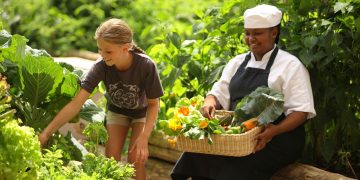
The farm-to-table movement has gained significant momentum over the past few decades, bringing consumers closer to their food sources. It’s not just a trend, but a deep-seated philosophy that emphasizes the connection between the land, the people, and the food we consume. Tuscany, Italy, and Provence, France, two regions with rich agricultural traditions, offer some of the most immersive farm-to-table experiences in the world. These regions, known for their breathtaking landscapes and rich culinary heritage, provide visitors with the unique opportunity to engage in authentic activities like olive harvesting and wine making, all while gaining insight into the true nature of agriculture and food production.
In Tuscany and Provence, farm-to-table isn’t just about eating local food; it’s about experiencing the agricultural process firsthand, connecting with the land, and understanding the history and practices behind the products that make these regions’ culinary scenes world-renowned. Whether it’s picking olives in the rolling hills of Tuscany or learning the intricate art of wine making in the vineyards of Provence, these experiences offer much more than a meal—they provide a cultural immersion that connects visitors with the land, people, and traditions that define these regions.
This article explores the farm-to-table experiences in Tuscany and Provence, focusing on the olive harvesting and wine making traditions that are central to their culinary identities. By participating in these activities, visitors not only gain a deeper appreciation for food, but also understand the cultural, environmental, and sustainability factors that shape these regions’ farming practices.
I. Tuscany: The Heart of Olive Oil and Wine Making
1.1 The Agricultural Legacy of Tuscany
Tuscany, located in central Italy, is known for its rich agricultural heritage that dates back thousands of years. The region is home to some of the most prestigious wine estates in the world and is equally famous for its olive oil production. The Chianti region, in particular, is renowned for its vineyards, producing some of the best Sangiovese-based wines that have become synonymous with Italian dining. The tradition of olive cultivation has been passed down for centuries, with Tuscan olive oil being prized for its robust flavor and high-quality production methods.
Tuscany’s agricultural landscape is defined by rolling hills, vast vineyards, and ancient olive groves that stretch across the region. These fields are not only central to the production of food, but they are also a critical part of the Tuscan identity. By engaging with the land in this region, visitors can take part in activities that are directly linked to the essence of Tuscan culture: olive harvesting, grape picking, and wine making.
1.2 Olive Harvesting in Tuscany: A Hands-on Experience
Olive harvesting in Tuscany is one of the most authentic ways to experience the farm-to-table concept. The process begins in late autumn, typically in October or November, when the olives are ripe and ready for picking. In Tuscany, many olive groves are family-run estates, where generations of families have perfected the craft of cultivating olives and producing olive oil.
1.2.1 The Olive Harvesting Process
The olive harvest is a labor-intensive activity that requires precision and care. Most of the olives are harvested by hand, though mechanical harvesters are also sometimes used. The process of hand-picking ensures that only the ripest, highest-quality olives are chosen, preventing the damage that can occur with mechanical harvesting.
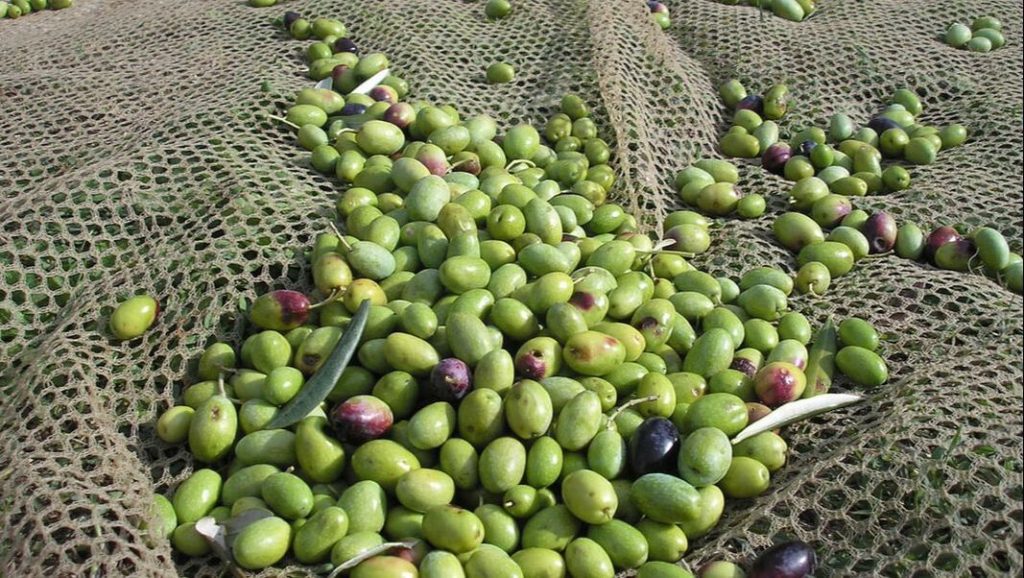
Visitors to Tuscany can participate in this process, learning how to properly pick olives using traditional methods, which include using olive rakes and nets. The olives are then brought to a nearby mill for pressing, where they undergo a cold-pressing process to produce extra virgin olive oil, renowned for its flavor and health benefits.
1.2.2 Olive Oil Production: From Grove to Bottle
Once harvested, the olives are cleaned, crushed, and cold-pressed to create olive oil. The cold-pressing method preserves the oil’s natural antioxidants and polyphenols, which contribute to its distinct taste and health benefits. Visitors can tour the olive mills, where they learn about the pressing process and how different varieties of olives influence the flavor profiles of the oil. The experience often includes a tasting session, where guests sample freshly pressed olive oil, paired with local bread and seasonal vegetables.
Tuscany’s extra virgin olive oils are renowned for their bold, peppery flavors and are a central ingredient in Tuscan cooking, used in everything from salads to sauces and grilled meats.
II. Provence: A Vineyard and Olive Grove Paradise
2.1 The Bounty of Provence’s Vineyards and Olive Groves
Provence, located in the southeastern part of France, is a region famous for its lavender fields, Mediterranean climate, and lush olive groves and vineyards. The area’s terroir, which is influenced by the sun-drenched Mediterranean climate and the unique soils, makes it an ideal location for growing both olives and grapes. Like Tuscany, Provence is home to numerous family-run farms and small-scale producers, which have become the backbone of the region’s thriving agritourism industry.
2.1.1 Olive Oil and Wine Production in Provence
In Provence, the olive oil produced is mostly AOP (Appellation d’Origine Protégée) certified, which guarantees its authenticity and quality. Similarly, Provence is well-known for its rosé wines, which are grown in vineyards that stretch across the Côtes de Provence and Bandol regions. The Mediterranean climate, combined with the rich soils, results in wines that are light, aromatic, and refreshing, with the perfect balance of fruit and acidity.
Visitors to Provence can engage in a variety of hands-on activities, from picking olives in the groves to learning about the delicate process of wine making. These experiences allow travelers to connect with the land and people, gaining a deeper understanding of the passion and dedication that goes into creating Provence’s world-renowned olive oils and rosé wines.
2.2 Wine Making in Provence: A Blend of Tradition and Innovation
Just like in Tuscany, wine making in Provence is an ancient art. The region has been producing wine for over 2,600 years, with historical records showing that the Greeks and Romans were the first to cultivate vineyards here. Today, Provence’s Côtes de Provence is one of the most famous wine-producing regions in France, and its wines are known worldwide for their light and aromatic qualities, particularly rosé.
2.2.1 Vineyard Tours and Harvesting Grapes
In Provence, the harvest season for grapes typically takes place in August to September, when the fruit reaches its peak ripeness. During this time, visitors can engage in the traditional activity of grape picking. This is often done by hand to ensure that the grapes are picked at their optimal ripeness, without any damage.
Visitors can tour the vineyards, learning about the different grape varieties, the terroir, and the sustainable farming practices that are employed in the vineyards. In addition, many vineyards in Provence are committed to organic farming and eco-friendly practices, making these wine-making estates a model of sustainability in the region.
2.2.2 Wine Making Process: From Grape to Glass
Once the grapes are harvested, they are taken to the winery for fermentation. In Provence, many wineries still follow traditional methods, using old oak barrels to age the wines and native yeast to ferment the grapes. The process is carefully controlled to ensure that the final product reflects the essence of the region’s climate and soil.
Provence’s signature wine, rosé, is made from a blend of several grape varieties, including Grenache, Syrah, and Cinsault. The wine-making process in Provence is a true craft, and visitors are invited to observe it from start to finish. After fermentation, the wine is tasted and blended before being bottled, and many vineyards offer tasting tours where visitors can sample the wine paired with local cheeses, cured meats, and fresh bread.
III. The Cultural and Economic Impact of Farm-to-Table Experiences
3.1 Preserving Local Traditions and Supporting Sustainability
Both Tuscany and Provence are regions that heavily rely on their agricultural traditions, and the farm-to-table experiences offered here help to preserve these practices. By supporting local producers and family-run farms, visitors are not only gaining insight into these regions’ culinary heritage but are also contributing to the economic sustainability of the local communities.
Agritourism, particularly farm-to-table experiences, offers a direct connection between travelers and the local farmers, enabling them to support small-scale, sustainable agriculture. By participating in activities like olive harvesting and wine making, visitors help create awareness about the importance of organic farming, sustainable practices, and the need to protect the environment.
3.2 Boosting the Local Economy
The agritourism industry in Tuscany and Provence has experienced significant growth in recent years, with visitors seeking authentic, hands-on experiences that connect them to the land. These experiences help to promote local businesses and create jobs in the agricultural sector. By supporting these local farms, visitors ensure that these regions can continue to thrive as leaders in sustainable farming and artisanal food production.
Conclusion: Immersing in the Authenticity of Farm-to-Table
Farm-to-table experiences in Tuscany and Provence provide more than just a chance to taste local delicacies—they offer a deeper understanding of the rich agricultural traditions and sustainable practices that make these regions’ cuisine so unique. Whether it’s picking olives in Tuscany’s sun-drenched hills or harvesting grapes in the vineyards of Provence, these immersive activities allow travelers to connect with the land and gain insight into the art of producing world-class olive oils and wines. The farm-to-table journey in these regions not only enriches one’s culinary knowledge but also fosters a greater appreciation for the land and the people who cultivate it.
By participating in these activities, visitors help support the continued success of small-scale farms and contribute to the preservation of these cherished agricultural practices, ensuring that the flavors and traditions of Tuscany and Provence will be passed down to future generations.