






Introduction: The Intersection of Food and Health Across Cultures
Food and health have always been intricately intertwined, but in recent years, there has been a growing interest in how different cultures approach nutrition and wellness. As we become more aware of the importance of what we eat for both our physical and mental well-being, many are looking beyond their borders for inspiration.
Global food cultures offer a rich tapestry of nutritional wisdom, from time-tested culinary practices to ingredients that have been used for centuries to promote health. From the Mediterranean Diet rich in olive oil and vegetables to the traditional Japanese cuisine that emphasizes fish, rice, and fermented foods, these culinary traditions are deeply rooted in history, yet are incredibly relevant to modern health practices. By examining food from a global perspective, we can unlock a wealth of nutritional knowledge that not only nourishes the body but also promotes long-term wellness.
In this article, we explore how diverse food cultures around the world are contributing to the conversation on healthier living, nutrition, and well-being. We will delve into the nutritional wisdom embedded in traditional diets, examine the health benefits of global superfoods, and consider how these practices can be integrated into modern lifestyles for improved health outcomes.
I. The Foundations of Global Culinary Health Wisdom
1.1 Traditional Diets: A Holistic Approach to Well-Being
Most traditional food systems around the world are built upon the premise of balance. The Mediterranean diet, the Japanese dietary habits, the Latin American way of eating, and the Asian approach to meals have all evolved with an emphasis on natural ingredients, local produce, and seasonality. These diets are not just about nutrition; they are philosophies of living that stress moderation, variety, and the interconnectedness of food, environment, and health.
In many cultures, food is also a way to promote holistic health. For example, in traditional Chinese medicine, foods are categorized not only by their taste but also by their warming or cooling properties, their ability to harmonize the body’s energy, and their role in maintaining balance. Similarly, Ayurveda, the traditional system of medicine in India, considers the balance of the three doshas (body energies) and recommends food based on an individual’s constitution and lifestyle.
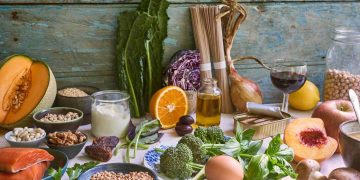
The Mediterranean Diet, often cited as one of the healthiest eating patterns in the world, is based on the traditional eating habits of regions like Greece and southern Italy. It emphasizes the consumption of whole foods, such as fresh vegetables, legumes, fruits, fish, and olive oil, while minimizing the intake of processed foods, red meat, and sugars. Studies have shown that this diet is linked to a reduced risk of heart disease, diabetes, and inflammation, as well as better longevity.
1.2 The Role of Fresh, Whole Foods in Global Diets
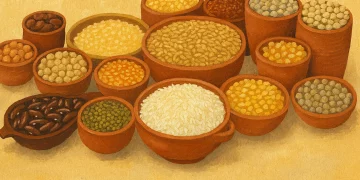
One of the common threads across healthy global diets is the emphasis on fresh, whole foods—particularly fruits, vegetables, legumes, nuts, seeds, and whole grains. These foods provide essential vitamins, minerals, antioxidants, and fiber, which support overall health and help prevent chronic diseases.
For instance, in the Japanese diet, fish, seaweed, and rice form the backbone of meals, providing a rich source of omega-3 fatty acids, protein, and iodine. Natto, a fermented soybean dish, is also a cornerstone of Japanese breakfasts, offering a potent source of probiotics and promoting gut health. The use of miso (fermented soy paste) and shoyu (soy sauce) further emphasizes the health benefits of fermented foods in Japanese cuisine.
In the Middle East and parts of North Africa, hummus, tabbouleh, and falafel are not just common but beloved dishes. These foods, based on chickpeas, parsley, olives, and olive oil, are rich in plant-based protein, fiber, and healthy fats. They also reflect a broader plant-centric eating philosophy, where plants and legumes take precedence over meat and processed foods.
1.3 How Global Cuisines Champion Diversity in Nutrition
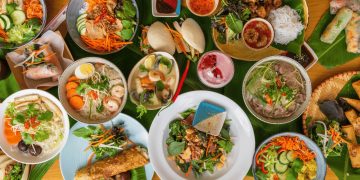
One of the most exciting aspects of global culinary traditions is the vast diversity of ingredients and cooking methods used to create balanced, nutritious meals. Many cultures have cultivated local crops, herbs, and spices that are uniquely suited to their environment, creating a rich variety of foods with specific health benefits.
For instance, in India, turmeric is widely used not only for its flavor but for its powerful anti-inflammatory and antioxidant properties, thanks to its active compound, curcumin. In Africa, the consumption of teff, a gluten-free grain native to Ethiopia, has been linked to improved digestion, energy levels, and blood sugar regulation. And in South America, the Andean region celebrates ancient grains like quinoa and amaranth, which are rich in protein and essential amino acids.
Many global diets also emphasize the importance of seasonal eating, where food is consumed at its peak freshness, both for taste and nutritional value. The connection between food and the environment is evident in indigenous farming practices around the world, where the focus is not just on feeding people but ensuring the sustainability of ecosystems. This respect for the environment and food sovereignty can have profound implications for health and well-being.

II. Superfoods Across Cultures: Nutritional Powerhouses from Around the World
2.1 What Are Superfoods?
In recent years, the term superfood has gained widespread attention, but what exactly makes a food a superfood? Superfoods are typically nutrient-dense foods that are rich in vitamins, minerals, antioxidants, and other essential compounds that promote good health. These foods are often celebrated for their ability to fight disease, boost energy, and improve overall wellness.
Across the globe, different cultures have embraced their own unique superfoods, often based on locally grown ingredients that are packed with nutritional benefits. Let’s take a closer look at some of the most renowned superfoods from around the world and their potential health benefits.
2.2 Global Superfoods: Nature’s Nutritional Powerhouses
- Chia Seeds (Mexico and South America)
- Chia seeds have been a staple of Aztec and Mayan diets for centuries, and they’re recognized for their high content of omega-3 fatty acids, fiber, and protein. These tiny seeds are known for their ability to improve digestion, stabilize blood sugar levels, and provide long-lasting energy. Today, chia seeds are popular worldwide as an easy-to-incorporate superfood in smoothies, oatmeal, and baked goods.
- Moringa (India and Africa)
- Known as the “Miracle Tree,” moringa is packed with vitamins A, C, and E, as well as calcium, potassium, and protein. Moringa leaves have been used for centuries in traditional medicine to treat a variety of ailments, from inflammation to digestive issues. It is often consumed in powdered form or as a tea, and its high nutritional content makes it one of the most powerful superfoods in the world.
- Spirulina (Africa, Asia)
- Spirulina, a type of blue-green algae, is a highly nutritious food that has been consumed for centuries in Africa and Mexico. Packed with protein, iron, B vitamins, and antioxidants, spirulina has been linked to improved immune function, detoxification, and enhanced energy levels. Its rich content of chlorophyll also contributes to its detoxifying properties.
- Matcha (Japan)
- Matcha is a finely powdered green tea that is made from the whole tea leaf, which gives it higher concentrations of antioxidants, L-theanine (an amino acid that promotes relaxation), and catechins (which may help with weight loss and metabolism). The consumption of matcha is deeply embedded in Japanese culture, not only for its taste but for its health benefits, such as improving mental clarity and promoting cardiovascular health.
- Turmeric (India)
- Turmeric, a key ingredient in many South Asian and Middle Eastern dishes, contains curcumin, a compound with powerful anti-inflammatory and antioxidant effects. Turmeric has been shown to support joint health, reduce inflammation, and improve digestive health. It’s also linked to brain function and may help prevent cognitive decline as we age.
- Acai Berries (Brazil)
- The acai berry, native to the Amazon rainforest, is known for its high levels of antioxidants, especially anthocyanins, which can protect the body against free radical damage. Acai is rich in healthy fats, fiber, and vitamins, making it a popular choice for supporting cardiovascular health and enhancing skin health.
- Quinoa (Andean Region, South America)
- Considered a complete protein due to its amino acid profile, quinoa is a highly versatile food that is naturally gluten-free and packed with essential nutrients such as magnesium, iron, and fiber. Originating from the Andean region of South America, quinoa has become popular worldwide for its digestive health benefits and role in weight management.
III. Integrating Global Nutritional Wisdom Into Modern Lifestyles
3.1 Adapting Traditional Diets for Modern Health Needs
The challenge today is integrating the healthful principles of traditional food systems into the fast-paced, globalized world we live in. Many modern diets have become increasingly processed and high in sugar and sodium, contributing to the rise of chronic diseases such as obesity, type 2 diabetes, and heart disease. By drawing inspiration from the world’s healthy eating traditions, we can make informed decisions to improve our diets and lead healthier, more balanced lives.
3.2 Sustainable and Local: A Modern Twist on Traditional Foods
As we shift toward more sustainable eating habits, many of the traditional foods that have supported global populations for centuries are making a comeback. Local and seasonal eating has never been more important, especially in the context of climate change and growing concerns about the environmental impact of food production. By adopting principles of local sourcing, plant-based diets, and minimizing food waste, we can honor the nutritional wisdom of global food traditions while contributing to the sustainability of our planet.
Conclusion: The Future of Global Culinary Health
Food is far more than just fuel—it is an essential part of our cultural identity, our health, and our connection to the world around us. From the rich, plant-based diets of the Mediterranean to the diverse and nutrient-dense ingredients used in Asian, African, and Latin American cuisines, there is much to learn from global culinary traditions.
By embracing the nutritional wisdom passed down through generations and incorporating superfoods from around the world into our daily lives, we can foster a deeper connection to our health, our cultures, and our planet. The future of food and health lies in balance, diversity, and the continued exploration of the wealth of knowledge that different culinary traditions offer.