









Introduction: The Evolution of Dining Spaces
In recent years, dining has transformed from a mere act of sustenance to a full-scale sensory experience. Restaurants are no longer just places to eat; they have evolved into immersive environments where art, culture, and design converge to offer guests something far beyond food on a plate. From the artistic presentation of dishes to the cultural storytelling embedded in every aspect of the dining experience, today’s restaurants create environments that stimulate not only the taste buds but also the mind and soul.
This shift in the dining experience can be attributed to a growing desire among consumers for more meaningful, authentic experiences that go beyond traditional dining norms. As gastronomy continues to intersect with art and culture, restaurants are increasingly regarded as platforms for creative expression, cultural exploration, and sensory indulgence. In fact, the most innovative restaurants are not just about food—they represent spaces of self-expression, where art forms like music, theater, and visual art are blended with culinary mastery to create experiences that are unforgettable.
This article explores how modern restaurants have transformed into immersive art and cultural experiences, redefining the very essence of dining and offering a new perspective on what a meal can be.
Part 1: The Fusion of Art and Dining
1.1 Culinary Art: Food as a Canvas
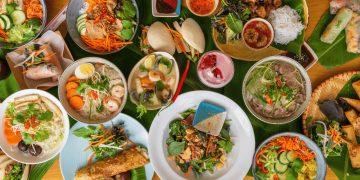
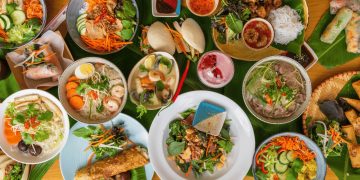
Food has long been considered an art form, but in recent years, chefs have taken this idea to new heights. Dishes are now created with an eye for visual aesthetics as much as taste, and chefs act as artists, using ingredients as their medium. From molecular gastronomy to intricate plating techniques, modern dining has become a form of visual art. The way a dish is plated, the colors, textures, and shapes—it all contributes to a multisensory experience that is as much about the eyes as it is about the mouth.
Chefs today are pushing the boundaries of traditional cooking to create dishes that are not just meals but artistic masterpieces. The idea of food as art has led to an explosion of innovative and visually stunning dishes in restaurants worldwide. For example, some restaurants employ interactive plating, where the presentation changes as guests interact with the dish, adding an element of theatricality to the meal.
Restaurants like El Celler de Can Roca in Girona, Spain, and Noma in Copenhagen are prime examples of establishments where the artistry of food takes center stage. At Noma, for instance, seasonal and regional ingredients are transformed into conceptual plates that reflect the spirit of the Nordic landscape. Every dish is designed to be a sensory journey, inviting guests to experience the flavors, textures, and stories of the place through artfully arranged plates.
1.2 The Role of Restaurant Design as Art
Beyond the food itself, restaurant design plays a pivotal role in creating an immersive dining experience. The architecture, interior design, lighting, and ambiance all contribute to the overall mood and tone of the restaurant, making it an integral part of the immersive experience. Interior designers and architects are increasingly being enlisted to collaborate with chefs and restaurateurs to craft a cohesive environment that aligns with the philosophy of the food being served.
The design of a restaurant can transform it into an artistic space. From the color palette and material choices to the arrangement of furniture and lighting, every detail is carefully considered to evoke a particular emotional response. Restaurants like The Ledbury in London and Eleven Madison Park in New York are examples of spaces where the design and layout are as much about creating a sensory experience as the food.
Some restaurants go even further by integrating art installations and interactive elements into their spaces. For instance, The Modern in New York is housed in the Museum of Modern Art, where the architecture itself reflects the essence of contemporary art. Every corner of the restaurant becomes part of the immersive experience, blending the boundaries between art and dining.
Part 2: Cultural Immersion Through Dining
2.1 A Journey of Taste: Exploring Regional and Global Cuisines
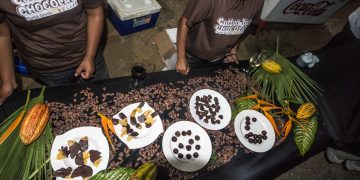
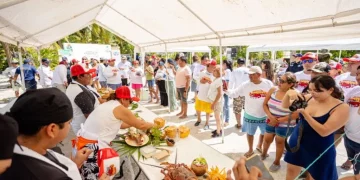
Dining is an opportunity to explore culture, and as travelers become more interested in authentic, local experiences, restaurants are increasingly becoming gateways to understanding the world’s diverse cultures. Through carefully curated menus, many restaurants offer a cultural journey that goes beyond just the food—they provide a historical and cultural context that invites diners to learn about a region’s traditions, customs, and culinary heritage.
For example, The French Laundry in Yountville, California, is famous for its farm-to-table approach, celebrating the agricultural bounty of the Napa Valley. Every ingredient used in the dishes is sourced locally, and the experience is designed to immerse diners in the landscape of Northern California. Similarly, Oro in Rio de Janeiro explores Brazilian culture through a creative reinterpretation of traditional dishes, while The Fat Duck in the UK blends theatre and storytelling with gastronomy, offering guests a multi-sensory journey through British culture.
This cultural storytelling is also seen in restaurants like Momofuku Ko in New York, where chef David Chang brings Korean influences into his contemporary American cuisine, creating an environment that educates and engages diners with the nuances of his heritage.
2.2 Storytelling Through Menu Design and Dishes
In addition to cultural exploration through ingredients, restaurants are increasingly using menu design and dish narratives as a way to enhance the immersive experience. Each dish on a menu often has a story—whether it’s about the origin of the ingredients, the historical background of the recipe, or the personal connection between the chef and the dish.
Many restaurants are now presenting their menus as stories, allowing diners to explore the journey behind each dish and discover the culture that inspired it. A restaurant may create a themed dining experience around a specific time period, historical event, or artistic movement, with each course representing a different chapter in the tale. This form of narrative dining is designed to transport diners into a world that goes far beyond taste.
For example, Alinea in Chicago is famous for its ability to weave theatrical elements into its menu, creating experiences that engage diners both intellectually and sensorially. The chef’s tasting menu at Alinea takes guests on a journey of discovery, with dishes that are not only beautifully presented but also interactive and often evoke a sense of wonder and surprise.
Part 3: The Rise of Themed Dining Experiences
3.1 Immersive Dining as Entertainment
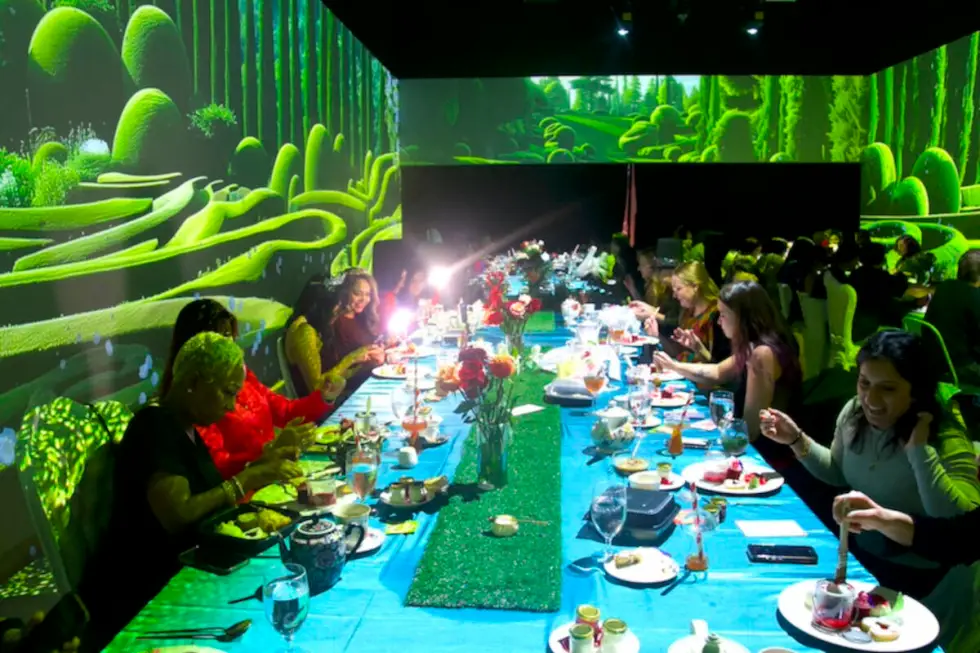
An increasing number of themed dining experiences are blurring the lines between gastronomy and theater. These experiences use live performances, interactive elements, and narrative-driven menus to engage diners on a deeper level. Whether it’s a murder mystery dinner, a medieval banquet, or a futuristic dining experience, themed restaurants are offering a full-scale artistic production that extends beyond the plate.
In cities like Las Vegas and Tokyo, restaurants are transforming into immersive dining theatres, where guests participate in interactive performances or watch as chefs prepare food in front of them as part of a theatrical display. Dinner in the Sky, for instance, is an experience that combines fine dining with the thrill of dining suspended in the air, providing an immersive adventure like no other.
These experiences often extend to the atmosphere of the restaurant itself, where diners are fully immersed in a world created by designers, performers, and chefs. The aim is to transport guests to a different time, place, or reality—making the dining experience something to remember long after the meal is finished.
3.2 Virtual Reality and Augmented Reality in Dining
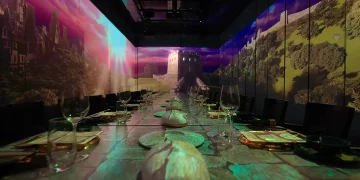
Another emerging trend is the use of virtual reality (VR) and augmented reality (AR) in restaurants. These technologies are being integrated into dining experiences, allowing guests to immerse themselves in virtual worlds while enjoying their meals. Some restaurants are using VR to transport diners to different locations, while AR is being used to enhance the presentation of dishes by adding interactive digital elements that engage the senses in new ways.
In the future, we can expect even more immersive dining experiences that combine technology, art, and culture to create environments where the boundaries between reality and imagination are blurred. These innovative dining concepts challenge our perceptions of food and how we experience it, bringing a sense of magic and wonder to the table.
Conclusion: The Future of Immersive Dining Experiences
Restaurants are evolving beyond traditional dining venues. They are becoming artistic and cultural destinations that engage diners in unique and memorable ways. Whether through creative culinary presentations, culturally immersive experiences, or theatrical performances, the restaurant of the future is not just a place to eat—it’s a journey into the realms of art, culture, and sensory exploration.
As the demand for meaningful experiences continues to grow, restaurants will increasingly blur the lines between gastronomy, art, and entertainment, creating immersive spaces that transcend the traditional dining experience. The fusion of food, art, and culture will undoubtedly continue to shape the future of dining, offering guests new ways to experience the world through taste, sight, and emotion.