









Introduction
Tokyo, the bustling metropolis of Japan, is widely regarded as a food capital of the world. Renowned for its culinary diversity, Tokyo boasts the highest number of Michelin-starred restaurants of any city globally, while simultaneously offering a vast selection of unassuming, hidden gems tucked away in alleyways and back streets. From the meticulously curated dishes in Michelin-starred establishments to the humble bowls of ramen and sushi crafted with centuries of tradition, Tokyo’s food scene is a seamless blend of high-end artistry and everyday authenticity.
This article delves into the culinary landscape of Tokyo, focusing on two key aspects: its preeminent position as a Michelin hub and the charming, often hidden, local food spots that define its culinary culture. Whether you’re dining at an acclaimed Michelin restaurant or indulging in a bowl of ramen at a hole-in-the-wall shop, Tokyo’s food scene offers experiences that are both extravagant and intimate, reflecting the city’s rich culinary heritage and modern innovation.
I. Tokyo: A Michelin-Starred City
1. The Rise of Michelin in Tokyo
Michelin’s introduction to Tokyo in 2007 marked a pivotal moment in the city’s global culinary recognition. Since then, Tokyo has consistently held the title of the city with the most Michelin stars in the world, surpassing even the food capitals of Paris and New York. As of the most recent guide, Tokyo boasts over 200 Michelin-starred restaurants, a testament to the city’s commitment to excellence in the culinary arts.
Michelin-starred restaurants in Tokyo are a fascinating mix of traditional Japanese cuisine and modern gastronomic innovation. The city’s chefs have mastered the delicate balance of preserving Japan’s culinary roots—such as kaiseki (traditional multi-course dining) and sushi—while embracing contemporary techniques and global influences.
2. The Diversity of Michelin-Starred Cuisine
Tokyo’s Michelin-starred dining scene is incredibly diverse, offering a range of culinary experiences that extend far beyond sushi and tempura. The star system recognizes establishments across various categories, including:
- Sushi: Tokyo is home to some of the most prestigious sushi restaurants in the world, including the legendary Sukiyabashi Jiro, made famous by the documentary Jiro Dreams of Sushi. These establishments focus on perfecting the art of sushi, using the finest ingredients and honing techniques passed down through generations.
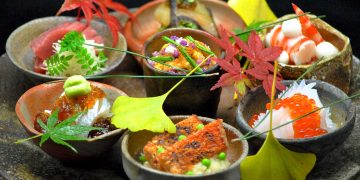
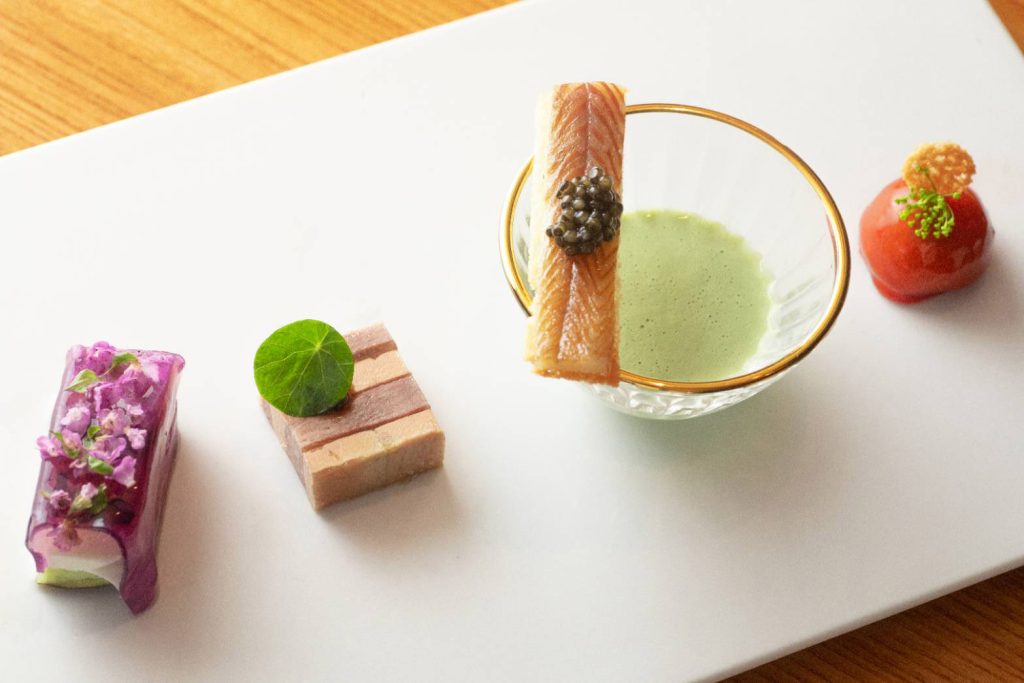
- Kaiseki: The traditional multi-course kaiseki dining experience is highly prized in Michelin rankings, with chefs carefully selecting the freshest seasonal ingredients to craft visually stunning and flavorful dishes. Ginza Kojyu and Kanda are prime examples of top-tier kaiseki restaurants in Tokyo.
- French-Japanese Fusion: Tokyo is also home to a number of innovative restaurants that blend French culinary techniques with Japanese ingredients, such as Joël Robuchon and L’Atelier de Joël Robuchon. These establishments emphasize the use of seasonal Japanese produce and seafood, elevating French cuisine with a uniquely Japanese flair.
- Ramen and Izakayas: While Michelin stars are traditionally associated with high-end dining, Tokyo’s Michelin guide has increasingly recognized more casual, everyday eateries, such as ramen shops and izakayas, which play a central role in the city’s food culture.
3. The Allure of Michelin-Recognized Dining in Tokyo
Dining at a Michelin-starred restaurant in Tokyo is an experience that transcends food. For many, it’s about the artistry, precision, and attention to detail that chefs pour into every dish. Whether it’s the perfect texture of sushi rice or the balance of flavors in a multi-course kaiseki meal, Michelin dining in Tokyo is an exploration of both technique and emotion.
Tokyo’s Michelin-starred restaurants also serve as a testament to Japan’s philosophy of omotenashi—the spirit of hospitality. Chefs in these restaurants often take on the role of hosts, offering a personalized experience that makes guests feel welcome, valued, and deeply connected to the food they are about to consume.
II. Hidden Food Gems of Tokyo: The Charm of Local Eateries
1. Ramen Shops: Tokyo’s Soul Food
While Michelin-starred dining garners international attention, the true heartbeat of Tokyo’s food scene lies in its ramen shops. Ramen is widely considered Tokyo’s soul food—a dish that transcends social status, age, and background. From humble street stalls to high-end ramen restaurants, Tokyo has something for every ramen lover.
Ramen shops in Tokyo can be categorized into different styles, including shoyu ramen (soy-based broth), miso ramen, shio ramen (salt-based broth), and tonkotsu ramen (pork bone broth). Despite the variety, what unites these shops is their unwavering commitment to quality ingredients and time-honored techniques.
Some of the most famous ramen spots in Tokyo include:
- Ichiryu Ramen in the heart of Shinjuku, known for its creamy, rich tonkotsu broth and perfectly tender noodles.
- Ramen Nagi, which offers a unique spin on ramen, featuring bold, savory flavors like the black king ramen made with squid ink and roasted garlic.
- Afuri, famous for its yuzu shio ramen, which is known for its light, citrusy broth that offers a refreshing contrast to the typical ramen experience.
But it’s the hidden gems tucked away in narrow alleys and non-descript buildings that often provide the most memorable ramen experiences. These mom-and-pop ramen shops, often serving loyal regulars, offer an authentic, local experience that many tourists might overlook.
2. Sushi Bars: Tradition Meets Modern Innovation
Sushi is another essential part of Tokyo’s culinary identity. While Tokyo’s Michelin-starred sushi restaurants are world-renowned, the city is also home to a plethora of small, family-run sushi bars that offer a more intimate and authentic dining experience. These establishments focus on the artistry of sushi-making, where the chef, often referred to as the itamae, prepares each piece with incredible attention to detail.
Hidden sushi bars are often tucked in alleys, and many do not have signs or large storefronts, making them difficult to find without insider knowledge. These establishments pride themselves on offering a more personalized experience, with chefs selecting the finest fish and preparing sushi in front of guests.
Some iconic hidden sushi bars in Tokyo include:
- Sushiya, a small and intimate spot near Tsukiji Fish Market, where the chef serves a set omakase menu that allows diners to experience the freshest sushi.
- Sushitetsu in Shibuya, where patrons can watch the chef’s skilled hands create perfect nigiri and sashimi, often from rare fish sourced directly from Tokyo’s famous fish markets.
The charm of these hidden sushi spots lies in their simplicity. There are no elaborate menus or fancy décor—just high-quality fish, expertly prepared, and served with reverence. For many food lovers, these are the true gems of Tokyo’s sushi scene.
3. Izakayas and Local Eateries
Tokyo’s izakayas, or casual pubs, are another aspect of the city’s vibrant food culture. These informal, often family-run establishments serve a wide variety of foods, from yakitori (grilled chicken skewers) to deep-fried tempura. The focus here is on creating a relaxed atmosphere where people can enjoy food and drinks with friends after a long day.
Many izakayas are located in hidden alleys and narrow streets, away from the bustling tourist spots. These local favorites are favored by Tokyoites for their affordability, variety, and atmosphere. At an izakaya, you might encounter dishes like:
- Karaage (Japanese fried chicken)
- Tsukune (chicken meatballs)
- Oden (a comforting winter stew of vegetables, tofu, and fish cakes)
Some of the best izakayas are often passed down through generations, serving up comfort food with a touch of local history. Exploring these unassuming eateries offers a glimpse into the everyday life of Tokyo’s residents.
III. The Global Appeal of Tokyo’s Culinary Scene
Tokyo’s food culture is one of the most dynamic and diverse in the world. Its blend of Michelin-starred refinement and hidden local gems offers an eclectic mix of experiences for every type of foodie. While international visitors flock to Tokyo’s fine-dining restaurants, they are equally drawn to the vibrant street food scene, where authenticity and passion come together in humble, hidden eateries.
Tokyo’s reputation as a global food destination continues to grow, with travelers and locals alike embracing the endless variety of sushi, ramen, izakayas, and other traditional Japanese dishes. Whether dining in a world-renowned Michelin restaurant or indulging in street food at a hidden ramen shop, Tokyo’s culinary scene reflects the city’s deep respect for tradition while embracing innovation.
Conclusion
Tokyo’s food scene is an endless discovery of flavors, techniques, and stories. From the Michelin-starred masterpieces of high-end restaurants to the local treasures tucked away in narrow alleys, Tokyo invites food lovers to embark on a journey of culinary exploration. The city is a testament to the fusion of tradition and innovation, where both high-end dining and humble local eateries coexist harmoniously.
For anyone seeking an unforgettable food experience, Tokyo offers something for everyone: the best of both worlds, where the fine art of sushi and ramen meets the charm of hidden, family-run food stalls. Whether you’re a seasoned foodie or a curious traveler, Tokyo’s culinary offerings will leave an indelible mark on your palate and your heart.