









Introduction: Rediscovering Regional Flavors in a Globalized World
In a world increasingly dominated by globalization, fast food chains, and mass-produced ingredients, the rich and diverse flavors of regional cuisines—the unique, locally sourced dishes that have been passed down through generations—are experiencing a dramatic resurgence. As food lovers seek authenticity, sustainability, and more meaningful connections with their food, the revival of regional flavors has become a central trend in the global culinary scene.
From southern Italian pasta recipes and Peruvian quinoa dishes to the spices of India and the sauces of Southeast Asia, regional cuisines are being reinterpreted, celebrated, and fused with contemporary culinary techniques. This movement is not only reshaping how we eat but also how we perceive the importance of food in preserving culture and community.
In this article, we will explore the global revival of regional flavors, examining the factors behind this trend, the culinary innovations that are bringing these flavors to the forefront, and the cultural and environmental implications of this food renaissance.
1. The Roots of Regional Flavors: A Brief Historical Overview
A. What Defines Regional Flavors?
Regional flavors are characterized by the local ingredients, cooking techniques, and cultural practices that define the food traditions of specific areas. These flavors are shaped by a variety of factors, including:
- Geography: The landscape and climate influence what can be grown, fished, or foraged in an area.
- History: The trade routes, colonization, and migration have all contributed to the exchange and evolution of regional ingredients.
- Cultural Significance: Foods often hold a deeper meaning within communities, representing rituals, festivals, and even identity.
For example:
- Japanese umami is derived from traditional ingredients like soy sauce, miso, and seaweed, which have deep cultural and historical roots in the region.
- Mexican cuisine is built upon the foundation of corn, chiles, and beans, which have been staples for thousands of years, shaped by the Aztec and Mayan civilizations.
B. The Decline of Regional Flavors in the Globalized Food Landscape
As the world became more interconnected through trade, migration, and technological advances, globalized food systems began to dominate. International food chains, such as McDonald’s and Starbucks, standardized and simplified what people ate. Ingredients that were once rare or region-specific became globally accessible, leading to the rise of mass-market, processed foods.
This shift was particularly evident in urban areas, where fast food and convenience became the norm. However, as the demand for healthier, more sustainable, and culturally meaningful foods grew, so too did the desire to return to local and authentic regional flavors.
2. The Revival of Regional Flavors: Factors Driving the Trend
A. A Desire for Authenticity and Localism
In recent years, foodie culture has placed a premium on authenticity—a search for genuine, traditional flavors that are tied to specific regions. Consumers, particularly millennials and Gen Z, are increasingly disillusioned by the ubiquity of processed foods and fast food chains. Instead, they are seeking food that is crafted by hand, sourced locally, and deeply rooted in cultural heritage.
This trend can be seen in the rise of farm-to-table restaurants, slow food movements, and an increasing interest in sustainable eating. As global consumers are becoming more conscious of the environmental and cultural implications of their food choices, the desire to return to regional flavors has become an essential part of the modern culinary experience.
B. The Globalization of Local Flavors: Fusion and Cross-Cultural Exchanges
While the movement toward regionalism celebrates the traditional, it also embraces innovation and fusion. The global revival of regional flavors is not about preserving food in a time capsule—it is about reinterpreting and elevating them to suit the tastes of contemporary global diners. As culinary boundaries continue to blur, chefs around the world are fusing traditional regional dishes with ingredients and techniques from other cultures, creating entirely new food experiences.
For instance, Japanese ramen is now widely served with a variety of toppings and broths, reflecting both the influence of regional Japanese cuisines and global culinary creativity. In cities like New York and London, Mexican food is now blended with elements of Asian cuisine, creating fusion dishes like Korean BBQ tacos or sushi burritos.
C. Sustainability and the Local Food Movement
The revival of regional flavors is also closely tied to a growing awareness of sustainability. As consumers increasingly question the environmental impact of industrial food systems, there is a renewed focus on supporting local farmers, artisanal producers, and seasonal ingredients. By eating foods that are native to a region, consumers can reduce their carbon footprint and support more sustainable agricultural practices.
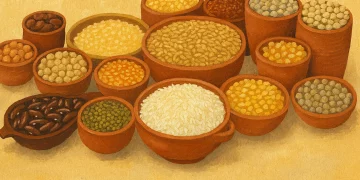
Local food movements are driving the revitalization of traditional food systems that prioritize biodiversity, low environmental impact, and circular economies. For example, the growing popularity of locally sourced vegetables and heritage grains is part of a larger trend toward regenerative agriculture and the revitalization of indigenous farming practices.
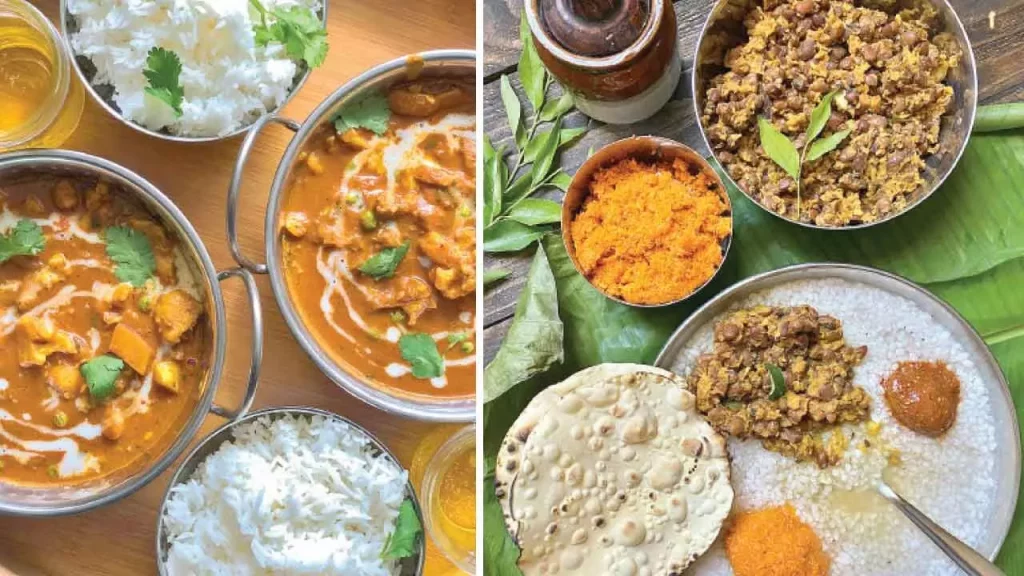
3. Celebrating Regional Flavors Around the World
A. The Mediterranean Revival: A Focus on Fresh, Seasonal Ingredients
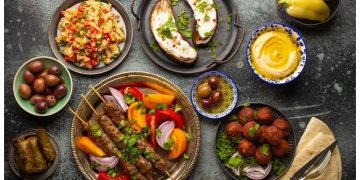
The Mediterranean diet is a model of healthy, region-specific eating that emphasizes fresh vegetables, olive oil, legumes, and fish. In recent years, there has been a resurgence of interest in this region’s traditional flavors, not just for their health benefits but also for their emphasis on seasonality, local sourcing, and sustainability.
Chefs are returning to traditional Mediterranean cooking techniques—such as slow roasting, grilling, and pickling—and emphasizing the use of fresh herbs and spices like oregano, thyme, and basil. This revival has spread to global food culture, with Mediterranean-inspired dishes becoming popular in international restaurants, street food stalls, and even packaged grocery items.
B. South American Regional Flavors: The Power of Indigenous Ingredients
From Brazil’s feijoada to Peru’s ceviche and Argentina’s asado, South American cuisines are experiencing a major global revival. Indigenous ingredients like quinoa, chia, and purple potatoes are now being celebrated for their health benefits, versatility, and deep cultural significance.
The growing recognition of superfoods like acai berries and maca root has further fueled interest in South American food traditions. As more chefs experiment with these unique flavors, we are seeing fusion dishes that combine the spices and techniques of the region with the flavors of the broader world.
C. Asia’s Regional Delights: The Complexity of Asian Flavors
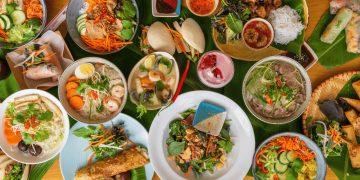
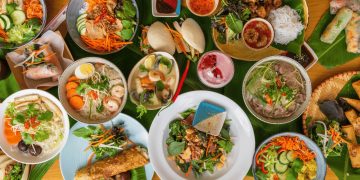
The spices and herbs of Southeast Asia—from Vietnamese pho to Thai green curry—are becoming increasingly popular as global consumers look for complex, bold flavors. These cuisines emphasize fresh, herbaceous ingredients like lemongrass, ginger, and coriander, along with a balance of sweet, sour, salty, and spicy notes.
Similarly, the Japanese food revival has brought attention to regional specialties such as Kyoto’s kaiseki (traditional multi-course meals) and Okinawan cuisine, which features local fish, seaweed, and unique vegetables like purple sweet potatoes.
D. Africa’s Rich Culinary Heritage: Rediscovering Indigenous Flavors
Across Africa, regional cuisines are being rediscovered and celebrated for their depth of flavor and sustainability. Ethiopian injera made from teff, Moroccan tagine, and South African braai (barbecue) are just a few examples of how traditional African flavors are gaining recognition on the global culinary stage.
As more people explore African food traditions, there is a growing appreciation for native ingredients like baobab fruit, teff, and sorghum. These ingredients, once considered regional staples, are now being incorporated into the mainstream food culture.
4. The Role of Technology and Media in the Regional Flavors Revival
A. Social Media and the Power of Culinary Influencers
The revival of regional flavors has been greatly accelerated by the rise of social media and food bloggers. Platforms like Instagram, TikTok, and YouTube have allowed culinary influencers to showcase traditional regional dishes, share recipes, and spread awareness of the benefits of local and indigenous ingredients. Videos of street food vendors in Thailand, Mexico, and India have sparked curiosity and interest in these cuisines, turning once-niche regional dishes into mainstream favorites.
B. Food Television and Streaming Platforms
Television shows and documentaries like Netflix’s “Chef’s Table” and BBC’s “The Great British Menu” have provided a platform for chefs to experiment with and showcase regional flavors from around the world. As food content becomes more global and accessible, viewers are introduced to new cuisines and cooking techniques that they might otherwise have never encountered.
Conclusion: The Ongoing Evolution of Regional Flavors
The global revival of regional flavors marks a significant shift in how we approach food—celebrating authenticity, localism, and sustainability while also embracing innovation and cross-cultural exchange. As chefs continue to experiment with these flavors and adapt them to contemporary tastes, regional cuisines will remain central to the global food conversation.
This revival is not just about rediscovering ancient recipes or preserving culinary traditions; it’s about understanding the importance of cultural heritage, sustainability, and community in our modern food systems. By embracing regional flavors, we can support local economies, reduce our environmental impact, and most importantly, enjoy a richer, more diverse culinary world.
As consumers continue to seek deeper connections to their food, the future of regional flavors looks incredibly bright. From the local farms that grow the ingredients to the kitchens that prepare the dishes, regional flavors are more than just meals—they are expressions of culture, history, and identity that are meant to be shared, celebrated, and enjoyed across the globe.