









Introduction: From Local Fields to Global Tables
In today’s interconnected world, ingredients once limited to specific regions are now ubiquitous staples in kitchens across the globe. Products like coffee from Ethiopia, cocoa from Ghana, and spices from India or Madagascar have transcended borders to become integral to the daily lives of millions of consumers. Their journey from smallholder farms in developing countries to supermarket shelves in Europe, North America, and Asia exemplifies the complex global food supply chain, where economics, culture, and sustainability intersect.
This article explores the global flow of food ingredients, focusing on coffee, cocoa, and spices. We will examine their historical context, economic and cultural impact, production challenges, sustainability concerns, and the evolving demands of modern consumers. By doing so, we aim to provide a comprehensive understanding of how these essential commodities shape global cuisine, trade, and culture.
1. Coffee: The Brew That Connects the World
A. Origins and Historical Significance
Coffee, originally discovered in the highlands of Ethiopia, has a rich history that spans centuries. Its cultivation spread to Yemen, Brazil, and Colombia, eventually establishing coffee as a global commodity. The rise of coffeehouses in the 17th century Europe not only fueled commerce but also became hubs of cultural exchange and intellectual discourse.
- Coffee became intertwined with colonial trade, leading to the establishment of plantations in tropical regions.
- It shaped global consumption patterns, creating a cultural phenomenon centered on rituals, socialization, and lifestyle.
B. Coffee Supply Chain and Global Trade
The coffee industry today is a multi-billion-dollar global enterprise, with a supply chain that spans from smallholder farms to multinational corporations.
- Production: Most coffee is produced in the “coffee belt” — countries between the Tropics of Cancer and Capricorn, including Brazil, Colombia, Ethiopia, and Vietnam. Smallholder farmers produce Arabica and Robusta beans, often using traditional methods.
- Processing and Export: Beans are processed (washed, dried, or fermented), roasted, and exported to global markets.
- Consumption: Coffee reaches consumers in diverse forms — instant coffee, specialty blends, capsules, and gourmet beverages.
The specialty coffee movement has elevated consumer expectations, emphasizing origin transparency, quality, and ethical sourcing. Certifications like Fair Trade, Rainforest Alliance, and Organic aim to ensure better livelihoods for farmers while maintaining environmental standards.
C. Economic and Social Impact
Coffee supports millions of livelihoods in developing countries. Beyond income, coffee farming impacts community development, education, and local infrastructure. However, it also faces challenges such as price volatility, climate change, and labor exploitation, highlighting the need for sustainable practices across the supply chain.
2. Cocoa: The Sweet Foundation of Global Chocolate
A. Origins and Cultural History
Cocoa, native to the rainforests of Central and South America, has a deep historical connection to indigenous cultures, including the Maya and Aztecs. For these civilizations, cocoa was not only a food but also a ceremonial and currency medium.
With European colonization, cocoa became a global commodity, integral to chocolate production. Today, Ivory Coast and Ghana account for more than 60% of global cocoa production.
B. Global Production and Trade
The cocoa supply chain is complex and often opaque, encompassing multiple stages:
- Farming: Smallholder farmers, often relying on traditional methods, produce the majority of cocoa beans.
- Processing: Beans are fermented, dried, and exported to processing facilities where they are turned into cocoa liquor, butter, and powder.
- Consumption: Cocoa is the primary ingredient in chocolate, beverages, baked goods, and confectionery globally.
C. Challenges and Sustainability
Cocoa production faces significant challenges:
- Child labor and exploitation: A persistent concern in West Africa.
- Deforestation and environmental impact: Cocoa plantations contribute to forest loss.
- Price instability: Fluctuations in global prices threaten smallholder farmers’ livelihoods.
Sustainable cocoa initiatives, such as Fair Trade, UTZ, and Rainforest Alliance, aim to improve farmer income, environmental stewardship, and ethical labor practices, though implementation remains uneven.
D. Cultural and Culinary Influence
Cocoa has reshaped global cuisine, inspiring desserts, drinks, and confections. Artisanal chocolate movements have also emphasized origin-specific beans, flavor profiling, and ethical sourcing, creating a global appreciation for the ingredient beyond its sweetness.
3. Spices: Aromatic Treasures Connecting Continents
A. Historical Context and Trade Routes
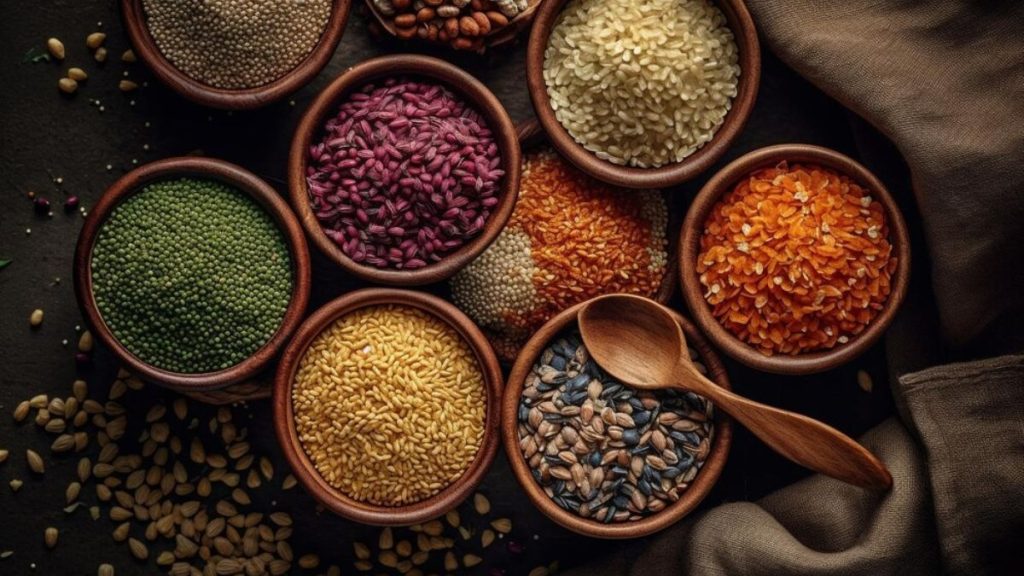
Spices have been central to global commerce for millennia. Cinnamon, cardamom, cloves, nutmeg, and black pepper, originally cultivated in Asia, the Middle East, and Africa, sparked exploration, trade, and even conflict.
- The Silk Road and Spice Routes facilitated the movement of spices to Europe, North Africa, and the Americas.
- Spices shaped culinary traditions, preserved food before refrigeration, and were once used as medicine and luxury commodities.
B. Contemporary Production and Global Reach
Modern spice production continues predominantly in developing countries:
- India: Black pepper, cardamom, turmeric, cumin.
- Madagascar: Vanilla and cloves.
- Sri Lanka: Cinnamon.
Global supply chains ensure that these spices reach consumers worldwide, fueling the rise of ethnic cuisine, gourmet cooking, and processed food industries.
C. Culinary and Cultural Impact
Spices are essential in both home kitchens and professional gastronomy. They define regional flavors, influence fusion cuisines, and are celebrated for health benefits, such as antioxidant and anti-inflammatory properties.
- Spices are central to culinary identity, enabling global chefs to experiment while honoring cultural authenticity.
- Ethnic restaurants and international cooking shows have increased consumer demand for authentic spices.
D. Sustainability and Ethical Concerns
- Labor conditions: Spices are often harvested manually, exposing workers to health risks.
- Climate sensitivity: Spice yields can be affected by weather patterns and global warming.
- Fair compensation: Initiatives like Fair Trade aim to ensure ethical sourcing and economic sustainability for farmers.
4. The Mechanisms Behind Global Ingredient Flows
A. Trade Infrastructure
The international trade of coffee, cocoa, and spices relies on sophisticated logistics networks, including shipping, warehousing, and quality control systems. Global supply chains are influenced by:
- Trade agreements and tariffs.
- Export-import regulations.
- Technological advancements in tracking, processing, and cold chain logistics.
B. Market Dynamics and Consumer Preferences
Consumer demand for origin transparency, organic products, and ethical sourcing has reshaped global food markets. Specialty cafes, chocolate boutiques, and gourmet spice shops cater to a conscious consumer base, willing to pay premiums for quality and sustainability.
C. The Role of Branding and Marketing
Global awareness of origin-specific ingredients drives branding strategies:
- Ethiopian coffee as “heirloom” beans.
- Madagascar vanilla as a premium gourmet ingredient.
- Indian spices marketed for authentic flavor and health benefits.
Marketing emphasizes both the cultural story and ethical sourcing, connecting consumers to the origin of their food.
5. Socioeconomic and Environmental Implications
A. Impact on Producing Countries
- Food commodities contribute significantly to GDP in producing countries.
- Smallholder farmers often face economic vulnerability due to price volatility.
- Investment in infrastructure, education, and technology is key to improving production efficiency and livelihoods.
B. Environmental Concerns
- Deforestation, water overuse, and soil degradation are critical issues.
- Sustainable practices like agroforestry, organic farming, and climate-resilient crops are gaining traction.
C. Ethical Consumerism
- Consumers increasingly seek ethical sourcing, demanding transparency and fair compensation for farmers.
- Certifications and blockchain-based traceability systems help track ingredient origins and promote accountability.
6. Culinary and Cultural Significance
The internationalization of coffee, cocoa, and spices has transformed culinary culture globally:
- Coffee culture: From espresso bars in Italy to specialty cafes in Tokyo.
- Chocolate as art: Artisanal chocolates showcasing origin-specific cocoa beans.
- Global spice fusion: Chefs blending spices across cultures to create new flavor experiences.
These ingredients not only fuel culinary innovation but also foster cross-cultural appreciation and understanding.
Conclusion: Bridging Local Origins and Global Tables
The global circulation of ingredients like coffee, cocoa, and spices exemplifies the intersection of economics, culture, and gastronomy. While originating in developing countries, these products have become daily essentials for consumers worldwide, shaping tastes, culinary traditions, and market dynamics.
Looking forward, the sustainability, ethical sourcing, and cultural authenticity of these ingredients will define the future of global culinary trade. By appreciating the origins, labor, and ecosystems behind our food, consumers can contribute to a more equitable and sustainable food system while enjoying the rich flavors that these ingredients bring to every table.