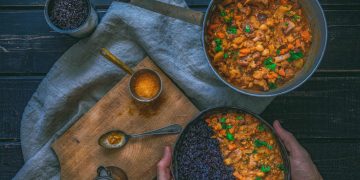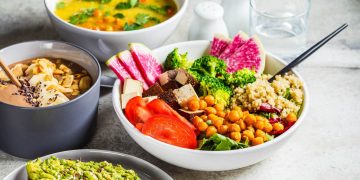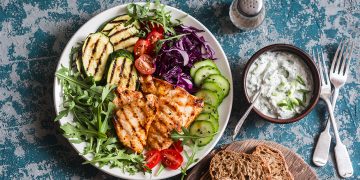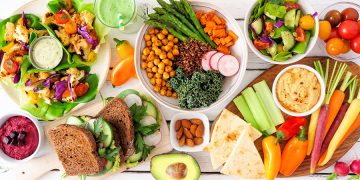








Introduction: The Intersection of Culinary and Visual Arts
In recent years, the boundary between food and art has blurred, giving rise to a new form of creative expression that transcends the traditional realms of both disciplines. Food has always been a source of sustenance, culture, and tradition, but in the hands of visionary chefs and artists, it has evolved into a medium of aesthetic exploration, creativity, and innovation. The presentation, preparation, and consumption of food have become as much about visual and emotional experience as they are about taste.
From intricately designed platings that resemble abstract art to immersive dining experiences that involve multi-sensory stimulation, the world of food has entered into an exciting conversation with the visual arts. In this article, we will explore the burgeoning field of food as art, examining its evolution, its impact on the culinary world, and its influence on contemporary art and culture. We will also delve into the philosophy and techniques behind food’s aesthetic transformation, and how chefs and artists are working together to challenge traditional notions of food and art.
1. The Origins of Food as Art: A Historical Perspective
The connection between food and aesthetics is not entirely new. In fact, food has been intertwined with art for centuries, though perhaps not in the same way it is today. Historically, the aesthetic presentation of food was closely tied to royalty, religious rituals, and ceremonial feasts, where the visual appeal of a meal was as important as its taste.
Ancient Civilizations: The Role of Food in Ritual and Symbolism
In ancient cultures, food played a critical role in both ritualistic and artistic expression. In ancient Egypt, for example, the careful presentation of food was essential in religious offerings. Likewise, Roman feasts were renowned for their elaborate arrangements, with food displayed in intricate patterns and sculptures made from fruits, vegetables, and meat. These presentations were designed not only to showcase the abundance of the empire but also to reflect the cultural importance of food in social and political life.
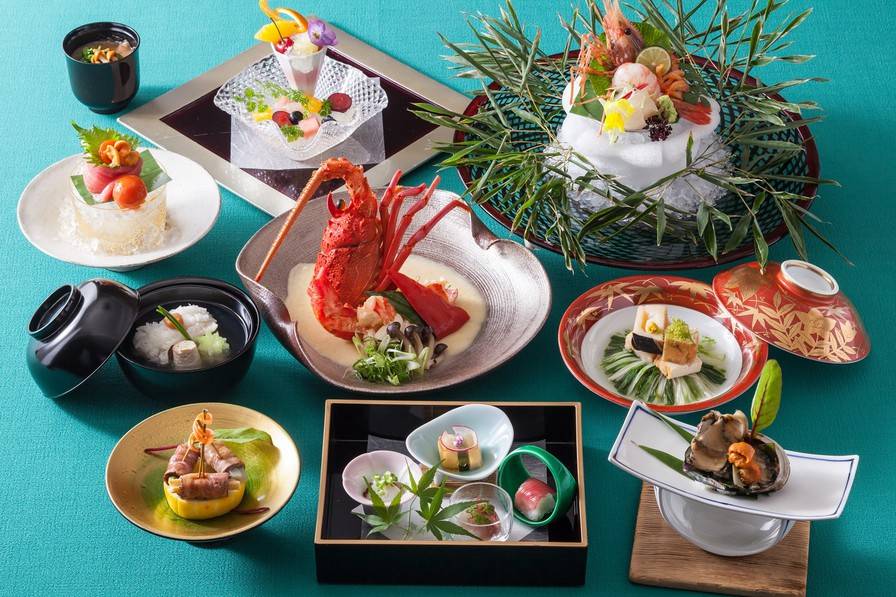
Similarly, in China and Japan, food aesthetics have long been part of cultural traditions. The Japanese art of kaiseki, for instance, is a multi-course dining experience where the presentation of each dish is carefully considered to evoke beauty, harmony, and balance. The color, texture, and arrangement of the ingredients are as important as their taste, creating a visual and sensory experience that elevates food to an art form.
The Renaissance and the Visual Appeal of Food
During the Renaissance, artists such as Leonardo da Vinci and Caravaggio painted still-life works featuring food, capturing its beauty and intricacies. The lavish banquets depicted in these paintings were often more about visual pleasure than sustenance, highlighting the symbolic and aesthetic power of food in society. The level of detail in these works exemplified the idea that food could be appreciated for its form, texture, and arrangement, not merely as something to be consumed.
2. The Rise of Food as a Modern Art Form: Culinary Innovation in the 20th Century
The transformation of food into a modern art form began in the mid-20th century, as chefs and artists began to explore new ways of combining visual and culinary creativity. The notion of food as art emerged with the rise of nouvelle cuisine and molecular gastronomy, both of which challenged traditional cooking techniques and focused on the aesthetics of food preparation and presentation.
Nouvelle Cuisine: Redefining Presentation
Nouvelle cuisine, which emerged in France in the 1960s and 1970s, revolutionized the way food was presented. Pioneered by chefs like Paul Bocuse, Jean and Pierre Troisgros, and Michel Guerard, nouvelle cuisine emphasized the use of fresh, high-quality ingredients, lighter preparations, and elegant plating. The emphasis was placed on creating visually stunning presentations that emphasized the natural beauty of the ingredients, often with minimal use of sauces and garnishes.
The minimalist approach to plating in nouvelle cuisine encouraged chefs to think of food as an aesthetic object to be admired as much as eaten. Dishes were carefully arranged to create balance, harmony, and visual interest, with vibrant colors and textures carefully juxtaposed to create a work of art on the plate. This shift in culinary philosophy laid the groundwork for the development of food as an art form in the contemporary sense.
Molecular Gastronomy: Scientific Innovation Meets Artistic Expression
In the 1990s, the advent of molecular gastronomy further expanded the definition of food as art. Led by chefs such as Ferran Adrià, Heston Blumenthal, and Grant Achatz, molecular gastronomy used scientific techniques to manipulate the texture, flavor, and appearance of food in ways that were previously unimaginable. The use of liquid nitrogen, foams, gels, and other high-tech techniques allowed chefs to create dishes that were not only visually striking but also challenged the senses in unexpected ways.
Molecular gastronomy pushed the boundaries of food aesthetics by transforming ingredients into entirely new forms, turning a simple apple into a foam, or creating edible smoke that billowed from the plate. These culinary innovations blended the artistic and scientific worlds, showing how food could be both an intellectual and sensory experience. The relationship between food and art became more explicitly visible, with many of these dishes resembling abstract sculptures, taking the viewer on a journey of both taste and visual delight.
3. The Role of Plating and Presentation in Food as Art
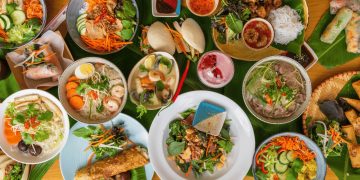
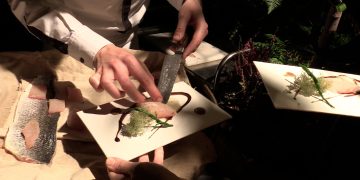
A crucial aspect of food as art lies in its visual presentation. Plating, the art of arranging food on the plate, has become an integral part of fine dining. Today, chefs spend as much time designing the visual aspects of a dish as they do perfecting its taste, texture, and aroma. The plate becomes the canvas, and the food, the paint.
The Aesthetic Principles of Plating
Plating techniques are influenced by a variety of aesthetic principles, from symmetry and balance to color contrast and texture. The goal is to create a harmonious and visually appealing composition that draws the diner’s eye. Many chefs follow traditional principles of design, including the “rule of thirds” (where the dish is divided into thirds for balance) and color theory (using contrasting colors to enhance visual appeal). Some chefs even go beyond these principles, creating plates that resemble abstract works of art or miniaturized landscapes.
For instance, the use of negative space is often employed in plating, where the empty areas on the plate are just as important as the food itself. The arrangement of ingredients is carefully considered to guide the diner’s gaze around the plate, creating a visual flow that heightens the anticipation of the meal. This focus on presentation has led to the creation of elaborate dishes that are intended to be experienced visually before they are tasted.
The Role of Color and Texture
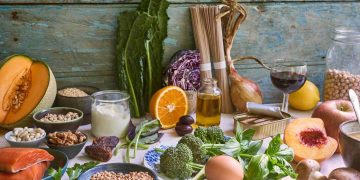
Color plays an especially important role in the aesthetic experience of food. Chefs use vibrant colors to evoke emotion, balance the composition, and create visual interest. For example, the bright yellow of a lemon, the deep green of fresh herbs, and the rich red of a perfectly seared steak can create a striking contrast that draws the diner’s attention. The combination of colors on the plate can also convey a sense of seasonality, with dishes featuring ingredients that reflect the colors of a particular time of year.
Texture is equally important in food presentation. The contrast between crispy, crunchy elements and smooth, velvety components adds dimension to the dish, creating a multi-sensory experience. The combination of textures — from delicate, melt-in-the-mouth components to hearty, satisfying ones — enhances the aesthetic experience, making the food not only visually appealing but also pleasurable to eat.
4. Collaborative Projects Between Chefs and Visual Artists
The blending of food and visual art has given rise to a number of collaborative projects that explore new ways of experiencing both disciplines. These projects are often designed to challenge traditional notions of what food and art are and to blur the boundaries between the two.
Pop-up Dining Experiences and Art Installations
Pop-up dining experiences and art installations have become increasingly popular, with many artists and chefs working together to create immersive environments where food is both a subject and a medium of artistic expression. These experiences often involve elements of performance, where diners are encouraged to interact with the food and the space in a way that elevates the dining experience to a work of art.
For example, artist and chef collaborations often result in meals that are presented in unconventional ways, such as food that is sculpted into abstract forms, served in unusual containers, or arranged in interactive installations. These meals are designed not only to be eaten but to be experienced as part of a larger artistic concept. They challenge diners to reconsider the boundaries between food, art, and culture, and encourage them to engage with the meal on a deeper, more personal level.
Food as Interactive Art
Some contemporary artists have used food as a means of creating interactive art, allowing the audience to participate in the creation or consumption of the work. For example, Japanese artist Rirkrit Tiravanija’s “Untitled (Free/Still)” installation invited visitors to share a meal together, turning the act of eating into an art event. In this way, food becomes more than just nourishment; it becomes a way of creating connection and shared experience.
5. The Impact of Food as Art on Popular Culture
Food’s emergence as an art form has had a significant impact on popular culture, from the rise of food photography to the explosion of food-based reality television. Today, food has become a central part of social media, with platforms like Instagram, Pinterest, and TikTok devoted to showcasing beautiful, creative dishes.
Food Photography and Social Media
Food photography has become a genre in its own right, with millions of images of beautifully plated dishes shared online every day. Social media has given food its own visual identity, allowing chefs, home cooks, and food enthusiasts to showcase their creations to a global audience. The visual appeal of food is often just as important as the recipe itself, as people increasingly seek out meals that are not only delicious but also photogenic.
Food as Entertainment: TV Shows and Culinary Competitions
Television shows like Chef’s Table, The Great British Bake Off, and Top Chef have further cemented the idea that food can be as artistic and creative as any other form of expression. These shows focus not only on the culinary skills of the chefs but also on their ability to create visually stunning and conceptually innovative dishes. The rise of food-related reality shows has turned cooking into a form of entertainment, where chefs are celebrated not only for their technical expertise but also for their artistic vision.
Conclusion: The Future of Food as Art
As the boundaries between food and art continue to evolve, we are likely to see even more innovative collaborations and creative expressions. The world of food is no longer just about sustenance — it has become a canvas, a medium, and a performance. From plated masterpieces to interactive dining experiences, food has firmly established itself as a vital part of contemporary art and culture.
As both culinary techniques and artistic philosophies continue to evolve, the relationship between food and art will remain an exciting and dynamic space, where creativity, culture, and aesthetics converge. Whether in the form of an elaborately plated dish or a multi-sensory dining experience, food as art is a celebration of both the visual and the edible, inviting us to look at food not just as something to consume, but as something to admire, appreciate, and explore.