









Introduction: The Intersection of Food, Society, and Politics
Food, in its most basic sense, sustains us. But for many contemporary artists, chefs, and cultural critics, food has transcended its role as a mere necessity to become a tool for expression, critique, and social commentary. Ingredients, utensils, and the very act of consumption have become significant media through which societal, cultural, and political thoughts are conveyed. Food is no longer just about taste, presentation, or nourishment—it is a powerful language through which artists articulate views on class, power, gender, race, sustainability, and consumption.
The manner in which we prepare, serve, and consume food has complex implications in today’s world, offering a lens through which individuals can examine the societal structures that shape our lives. Through carefully selected ingredients, distinctive cooking techniques, or specific utensils, food becomes a dynamic form of expression that speaks to both personal identity and larger social issues. In this context, the aestheticization of food, particularly in contemporary culinary arts, provides a platform for artists and chefs to engage in conversations about everything from global inequalities to environmental degradation.
This article will explore how food, through its various forms and functions, has been utilized as a tool for social, cultural, and political expression. We will discuss the role of ingredients, utensils, and consumption practices in contemporary food art, considering how these elements serve as metaphors for larger societal concerns. Additionally, we will examine notable works by artists and chefs who have used food to make powerful statements about the world around them.
The Role of Ingredients: Symbolism and Social Commentary
Food as a Reflection of Identity and Culture
Ingredients are not simply materials to be combined in the kitchen—they are symbols of identity and cultural heritage. From a sociological perspective, the foods we consume are deeply embedded in our cultural values, and they often reflect a society’s history, resources, and traditions. The ingredients that make up a dish tell a story about a culture’s origins, geography, and social structure.
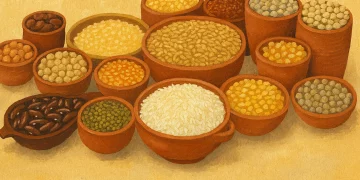
For example, the use of rice in many Asian cuisines not only reflects its role as a staple food but also underscores the agricultural practices, economic systems, and regional identities of the cultures that rely on it. In contrast, the widespread consumption of corn in the United States speaks to the history of Native American agriculture and the rise of industrial farming systems. Similarly, spices like saffron or cumin are often used as symbols of colonialism and the global trade of goods during the age of European exploration and imperialism.
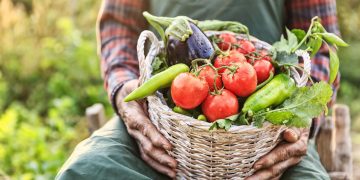
Contemporary chefs and food artists are increasingly aware of these symbolic meanings, using specific ingredients to reflect or challenge societal norms. By selecting certain ingredients over others, artists and chefs can make bold statements about global inequality, the legacy of colonialism, or even the politics of globalization. For example, by using locally sourced, organic produce, chefs are aligning themselves with movements advocating for food sovereignty, sustainable agriculture, and anti-corporate activism. On the other hand, the use of genetically modified or highly processed foods in art installations can serve as commentary on the dominance of large food corporations, the loss of biodiversity, and the corporatization of the food industry.
Food as a Vehicle for Political Statements
Ingredients can also carry a political charge, particularly when they are used in the context of protest or advocacy. In recent years, food artists have used ingredients to make statements about issues such as climate change, immigration, and food security. For instance, a dish featuring invasive species, like Asian carp, may call attention to the ecological damage caused by the global movement of species across borders and the need for sustainable food practices.
In other instances, chefs may use ingredients to address food justice and accessibility. By highlighting the growing divide between those who have access to healthy, organic foods and those who are food-insecure, artists can evoke a conversation about inequality in modern societies. A dish made with ingredients that are locally grown and affordable might be a critique of the elitism often associated with the organic food movement, which is sometimes perceived as being inaccessible to lower-income communities.
Ingredients in contemporary food art also have the power to engage with issues of nationalism and immigration. The use of specific regional foods, such as Mexican tacos or Middle Eastern hummus, can serve as both a celebration of cultural identity and a statement about immigrant rights. In an increasingly globalized world, the fusion of ingredients—combining, for example, Asian and European cooking styles—can represent the blending of cultures and an advocacy for diversity.
The Power of Utensils: Challenging Social Norms Through Tools
Utensils as a Symbol of Power and Class
The utensils used in food preparation and consumption carry great symbolic weight. From the most basic spoon or knife to more elaborate kitchen tools, utensils reflect the structure of society and the ritual of eating. For example, the use of fine china or gold-plated cutlery in elite dining settings can symbolize class distinctions, with higher-end utensils signaling wealth and status.
In recent years, artists have used utensils as powerful metaphors for power dynamics, class, and social inequality. For instance, the stark contrast between plastic disposable utensils and silver cutlery can evoke feelings of wastefulness and environmental destruction, while also alluding to the divide between affluent societies that can afford luxury goods and the impoverished communities who are left with nothing but the most basic tools.
Moreover, the formality of the dining table, with its intricate arrangement of utensils, glasses, and plates, can symbolize societal rituals and the power structures that govern behavior at the table. The rigid, prescribed ways in which we are expected to interact with food—whether it be using a fork and knife to eat meat or adhering to a set of unwritten rules about eating in public—can reflect broader societal norms that regulate everything from gender roles to the expectations surrounding professionalism and social status.
Disruption of Norms: Breaking the Rules of Consumption
Contemporary artists and chefs often challenge the traditional use of utensils to convey deeper meanings. By deliberately disrupting the expected rituals of eating—using hands instead of silverware, serving food in unconventional containers, or presenting dishes in ways that blur the lines between food and art—artists force the viewer to confront the rigid structures that govern food consumption.
A plate-less meal, for instance, can symbolize a break from the norms of formal dining and can be used to reflect the ways in which society sometimes excludes or marginalizes certain people. Eating with one’s hands, once reserved for informal or communal meals, can be seen as an act of reclaiming authenticity and breaking free from the rigid rules of fine dining.
The use of upcycled utensils or disposable food containers in an art installation may reflect concerns about overconsumption, waste, and environmental degradation, while simultaneously making a critique of the disposable culture that dominates modern society.
Consumption Behaviors: Social, Cultural, and Political Implications
Consumption as a Reflection of Social Identity
How we consume food—the setting, the manner, the company we keep—often speaks volumes about who we are as individuals and as members of society. The consumption of food can serve as a powerful tool for exploring social identity, whether through the rituals of communal eating, the presentation of food in a family context, or the very act of consumption itself.
For example, the consumption of fast food is often associated with working-class culture, convenience, and the hurried pace of modern life, while the act of dining in an upscale restaurant is seen as a symbol of luxury, refinement, and social status. These behaviors carry distinct cultural connotations that speak to the values of the societies in which they occur.
Food behaviors can also be a means of self-expression. Vegetarianism, veganism, and the slow food movement are increasingly tied to personal and political ideologies about health, animal rights, and sustainability. In this way, what we eat and how we consume food becomes an extension of our values and beliefs, signaling our commitment to certain social causes and our rejection of others.
Protest and Advocacy Through Consumption
The consumption of food can also be a direct form of protest or advocacy. Boycotting certain products, such as Monsanto’s genetically modified foods, or protesting food production methods by supporting local and sustainable farming practices are ways in which consumption habits serve as an ethical statement.
Some artists go even further, using food as a performative act to highlight inequality and raise awareness about social issues. The act of eating in public spaces, or in unconventional settings—such as a protest involving the sharing of food among marginalized communities—can become an act of resistance against the systems of control that influence the global food market.
Conclusion: The Multifaceted Role of Food in Artistic and Political Expression
Food, as both a material and a concept, offers a unique way to express deep-seated thoughts on society, culture, and politics. Through the selection of ingredients, the design of utensils, and the act of consumption, food becomes a rich, multifaceted medium for social commentary and political engagement. It provides an opportunity to reflect on who we are, where we come from, and where we are headed as a global community.
Artists, chefs, and consumers alike have the power to use food to challenge prevailing societal norms, call attention to injustice, and advocate for a better, more sustainable future. As food continues to evolve in the realm of art, it will undoubtedly remain a platform for discussing pressing issues, from environmental sustainability to economic inequality, and offer a way for us to reimagine the world through the simple yet profound act of eating.