









Introduction: Food as Art – The Intersection of Culinary Craft and Visual Aesthetics
For centuries, food has been an essential aspect of daily life, sustaining us and bringing people together in moments of celebration, communion, and connection. However, in recent decades, food has taken on a new role—one that transcends the boundaries of mere nourishment. The rise of food art—the aestheticization of food through culinary techniques, presentation, and creativity—has transformed dining into an immersive, multisensory experience that engages not only the palate but also the eyes, the nose, and even the mind.
What was once considered simply the act of preparing meals has evolved into a sophisticated art form, with chefs and culinary artists using food as their medium. From the delicate art of plating to the inventive practices of molecular gastronomy, food has become a canvas for creativity, self-expression, and cultural commentary. Today, chefs experiment with a variety of textures, colors, and ingredients, carefully crafting dishes that are as visually striking as they are delicious. The aesthetic of food has reached a new height where dining is not only a form of sustenance but an experience of art in itself.
This article will explore the transformative journey of food as art, examining how culinary practices have evolved to become artistic expressions. We will delve into the principles behind food art, discuss the various techniques and innovations that have shaped this movement, and consider how food as a form of art challenges traditional perceptions of both cuisine and aesthetics.
The Evolution of Food Art: From Tradition to Innovation
From Feasts to Fine Dining: A Historical Perspective
The relationship between food and art is not a modern phenomenon. Throughout history, food has always held a place in cultural rituals and celebrations, often involving elaborate displays and artistic presentations. In ancient civilizations, food was not only a necessity for survival but a symbol of wealth, power, and prestige. Roman feasts, for example, were known for their opulence, with extravagant arrangements of fruits, meats, and pastries sculpted into intricate shapes to impress guests.
Similarly, in the Renaissance, banquets were designed not just to nourish but to amaze. The presentation of food became as important as the taste, with lavish displays that bordered on artistic performances. While the primary purpose of these grand feasts was still to indulge the senses and satisfy hunger, the arrangement and design of food spoke to a deeper appreciation for beauty and aesthetics.
In the 19th and early 20th centuries, as the haute cuisine tradition emerged in France, chefs like Auguste Escoffier began to place emphasis on food presentation. Escoffier, often regarded as the father of modern French cuisine, codified many of the practices that would become standard in fine dining. His contributions laid the groundwork for what would become a growing focus on the visual and sensory aspects of food.
However, it wasn’t until the late 20th century that food began to be explored as a full-fledged artistic medium. The rise of molecular gastronomy, pioneered by chefs like Ferran Adrià and Heston Blumenthal, brought about a revolution in the way food was perceived and prepared. These chefs employed scientific techniques to manipulate the physical properties of ingredients, creating innovative textures and flavors that defied traditional expectations.
The Modern Era of Food as Art
Today, food art is no longer confined to the kitchens of elite chefs or fine dining restaurants. With the democratization of culinary knowledge, food art has reached new levels of creativity, both in professional settings and at home. The advent of social media, particularly Instagram, has made food art more accessible, as food photographers and home cooks share their visually striking creations with a global audience.
The concept of food as art has moved beyond traditional plating techniques to embrace an array of methods. Chefs now utilize modernist cuisine—an experimental style of cooking that incorporates tools and techniques such as liquid nitrogen, spherification, and foams—to create dishes that are not only innovative in taste but also visually extraordinary. The result is a form of culinary expression that challenges the boundaries of what food can be, encouraging diners to engage with their meals on a deeper, more artistic level.
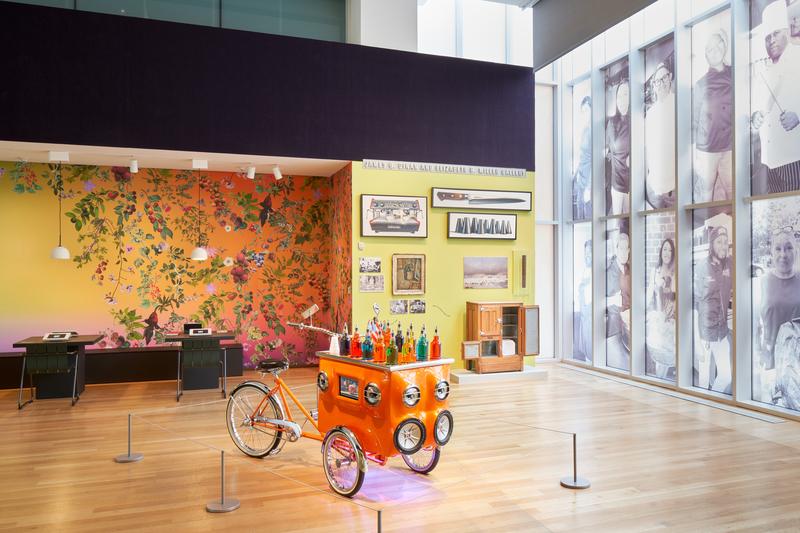
The Key Elements of Food Art: Creativity, Technique, and Presentation
Plating: The Art of Arranging the Meal
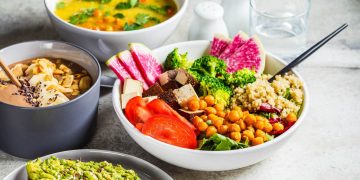
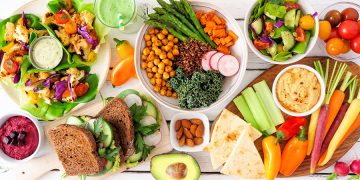
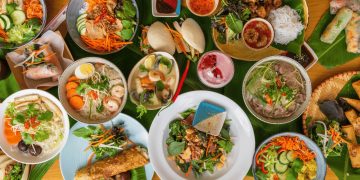
The art of plating is one of the most significant aspects of food art. Plating refers to the arrangement of food on the plate in a way that is visually appealing, balanced, and harmonious. The presentation of food has become a reflection of the chef’s creative vision, where color, texture, and composition are meticulously considered.
In fine dining, plating is often described as a form of artistic expression, where chefs use the plate as a canvas and the ingredients as their palette. The visual appeal of a dish is just as important as its taste. Chefs may use contrasting colors to create vibrant, eye-catching designs, or they may use minimalist plating to emphasize the purity of ingredients. Negative space on the plate is also carefully used to draw attention to key elements, creating a sense of balance and order.
The trend toward artful plating has led to the rise of food styling and food photography, where chefs and food enthusiasts aim to capture the beauty of dishes for public consumption. Whether through intricate garnishes, perfectly balanced textures, or the use of edible flowers, plating has evolved into a complex art form that combines technical skill with artistic flair.
Molecular Gastronomy: Science Meets Art
One of the most groundbreaking innovations in the realm of food art is molecular gastronomy, which uses scientific principles to transform the texture, flavor, and appearance of food. Ferran Adrià, the Spanish chef known for his work at El Bulli, was one of the pioneers of molecular gastronomy, utilizing techniques such as spherification, gelification, and foams to create entirely new food experiences.
In spherification, for example, liquid ingredients are transformed into spheres with a delicate membrane, creating the sensation of liquid exploding in the mouth. Foams are another common element, where ingredients are aerated to create light, airy textures that add depth and surprise to a dish. These techniques not only change the physical properties of food but also challenge diners’ perceptions, creating an experience that goes beyond taste alone.
Molecular gastronomy has expanded the notion of food as art, inviting chefs to experiment with ingredients in new and unexpected ways. These techniques blur the line between cooking and science, allowing for a greater range of textures, flavors, and presentations that were once considered impossible.
The Role of Color, Texture, and Flavor
In food art, color, texture, and flavor are inextricably linked. The visual appeal of a dish is enhanced by its textural contrasts and its ability to surprise the diner with new experiences. For instance, a dish may combine crispy elements with creamy components, or hot and cold contrasts to create a more dynamic eating experience.
The texture of food can be as important as its flavor. A perfectly cooked steak, with a crispy exterior and tender interior, offers a contrast that heightens the sensory experience. Likewise, a dish with varying textures—crunchy, smooth, airy—can engage the diner on multiple sensory levels. In modern food art, these textures are often manipulated using innovative techniques like sous-vide cooking, which allows ingredients to maintain precise textures and moisture levels.
Flavor combinations are also carefully crafted to create harmony and balance in each dish. Chefs often draw inspiration from various culinary traditions, mixing ingredients and flavors in unconventional ways. For example, the combination of sweet and savory flavors, such as the pairing of fruit with meat or chocolate with chili, has become a hallmark of creative food art.
The Sensory Experience: Beyond Taste
Food art is a multisensory experience that goes beyond the visual appeal of a dish. Aromas, textures, and the act of eating itself become integral parts of the experience. Scents play a key role in enhancing the emotional and sensory impact of a dish, as the fragrance of fresh herbs, spices, or grilled meats can evoke powerful memories and associations.
In many high-end dining experiences, the act of eating is itself an art form. Chefs may create interactive dining experiences, where the diner’s actions—such as mixing ingredients, taking a bite of a particular component, or savoring the textures—become part of the artistic narrative. The act of eating, in these cases, becomes a performance, where the diner participates in the creation of the dish’s meaning.
The Cultural and Conceptual Significance of Food Art
Food and Identity
Food is deeply tied to cultural identity. The ingredients we use, the dishes we prepare, and the manner in which we eat all speak to our personal and cultural histories. Many contemporary chefs incorporate elements of their heritage and traditions into their food art, using cuisine as a means of expressing their identity and heritage. By reinterpreting traditional dishes or presenting cultural icons in new forms, food artists can create powerful commentaries on culture, memory, and history.
For example, dishes inspired by traditional Japanese or Mediterranean cooking may be reimagined through modern plating techniques or molecular gastronomy, offering a fresh perspective on established culinary norms. This blending of old and new reflects how food, like art, is a reflection of both personal identity and cultural evolution.
Food as Political and Environmental Commentary
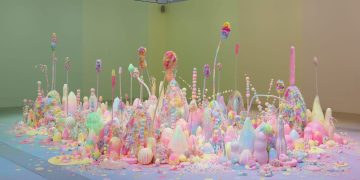
Food art also offers a platform for political and environmental commentary. In an era where issues such as sustainability, food waste, and global food systems are increasingly important, many artists use food as a way to address pressing concerns. For instance, artists may create installations using food waste to highlight the environmental costs of food production or to call attention to global hunger.
The way food is presented and consumed can also make a powerful statement about social inequality, consumerism, and the exploitation of labor. Food as art can be a vehicle for challenging the status quo, questioning societal values, and sparking critical conversations about the ethical dimensions of eating.
Conclusion: The Future of Food as Art
Food has undeniably become an essential and celebrated aspect of contemporary art. As the boundaries between culinary craftsmanship and artistic expression continue to blur, food artists will undoubtedly push the limits of creativity, transforming how we experience dining. From the playful and experimental techniques of molecular gastronomy to the delicate art of plating, food will remain a powerful medium for expressing personal, cultural, and political messages.
As technology, sustainability, and social consciousness continue to shape our culinary landscape, food art will evolve, offering new ways to challenge, delight, and inspire. What was once considered mere nourishment has now become a multisensory exploration of art, creativity, and identity—a journey that transcends the boundaries of the kitchen and transforms the dining experience into something truly extraordinary.