







Introduction: The Intersection of Culinary Craft and Visual Art
Food has long been a fundamental aspect of human culture, providing sustenance, comfort, and a sense of community. However, in recent years, food has evolved into much more than just nourishment—it’s become a powerful medium for artistic expression. Increasingly, chefs and artists alike are using food as their canvas, creating visually stunning dishes that challenge our traditional understanding of what food can be. These edible artworks push the boundaries of culinary creativity and transform the dining experience into something that engages not just the taste buds, but also the eyes, emotions, and intellect.
In this article, we will explore how food is being used as an artistic medium, examining how chefs and artists incorporate aesthetics, innovation, and technique to create visually striking dishes. From the intricacies of food plating to the rise of edible sculptures, this fusion of art and cuisine is reshaping the way we experience food, turning it into an immersive, multi-sensory experience.
The Artistic Evolution of Food
From Function to Aesthetic Beauty
Traditionally, food was created primarily for sustenance. Throughout history, the primary function of a meal was to nourish and sustain. However, with the advent of haute cuisine and the rise of fine dining in the 19th and 20th centuries, food began to be seen as more than just fuel for the body. Chefs began to embrace the idea that food could be a visual art form, just like painting, sculpture, or performance art.
The art of plating became a central element in this transformation. At the Michelin-starred restaurants of the world, chefs began to experiment with color, texture, and arrangement, creating dishes that were as much about visual beauty as they were about taste. This movement was influenced by a number of factors, including the growing popularity of food photography and the increasing importance of social media platforms like Instagram, where beautifully presented dishes are shared and admired by millions.
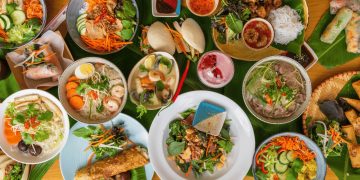
Today, chefs are not just cooking; they are crafting edible masterpieces. The visual appeal of a dish is just as important as its flavor, and diners are increasingly valuing the artistry behind their meals. From minimalist, geometric plating to vibrant, playful arrangements, the world of food has become a canvas for culinary creativity.
The Role of Plating: Culinary Art in Action
Plating as an Art Form
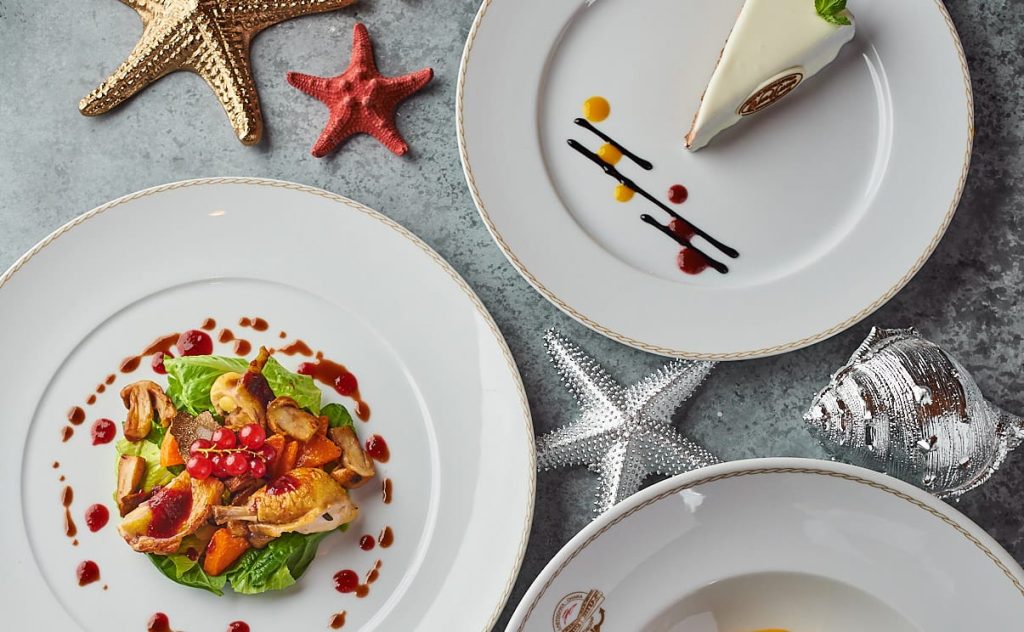
One of the most striking ways in which food is transformed into art is through plating. The way a dish is presented on a plate can elevate it from mere food to a piece of art. In high-end restaurants, plating is a carefully considered process, with chefs designing dishes that are not only visually appealing but also reflective of the flavors and textures that make up the dish.
Plating as an art form draws on principles of design such as balance, symmetry, color theory, and composition. Chefs are trained to think of the plate as a canvas, arranging ingredients in a way that enhances the visual and sensory experience of the dish. Each element—whether it’s a sauce drizzled in an intricate pattern, a vibrant garnish, or a carefully placed dollop of foam—serves a purpose, contributing to the overall aesthetic experience.
The use of color in plating is especially important. Bold, contrasting colors can create visual interest, while softer, more muted tones can evoke a sense of calm and elegance. The textures and shapes of the food also play a role in how the dish is perceived. A plate that combines different textures, such as crunchy, creamy, and tender, creates a more dynamic eating experience, engaging multiple senses at once.
Famous chefs like Grant Achatz, René Redzepi, and Massimo Bottura are known for their innovative and artistic approaches to plating. Achatz’s restaurant Alinea in Chicago, for example, is known for its avant-garde presentation, where dishes often involve unexpected elements such as edible flowers, liquid nitrogen, and smoke. Similarly, Bottura’s Osteria Francescana in Modena, Italy, is celebrated for its dishes that combine traditional Italian ingredients with modern artistic flair, such as his “Oops! I Dropped the Lemon Tart,” which deliberately breaks the concept of traditional pastry to create an artful, deconstructed masterpiece.
Edible Sculpture: Food as Three-Dimensional Art
The Rise of Food Sculptures
Beyond plating, another way food is being used as an artistic medium is through food sculpture. Food artists have begun to experiment with materials like sugar, chocolate, marzipan, and even vegetables to create large-scale, intricate sculptures. These edible works of art are often displayed at competitions, exhibitions, and festivals, where they are admired for their craftsmanship, creativity, and beauty.
Sugar sculpting, for example, is an ancient art form that has seen a resurgence in recent years. The delicate and translucent nature of sugar allows for the creation of intricate designs, such as flowers, animals, and even life-sized sculptures. Similarly, chocolate sculpture has become a popular medium in both artistic and culinary competitions. At events like the Salon du Chocolat in Paris, chocolatiers and pastry chefs showcase their skills by creating elaborate chocolate sculptures that are not only visually stunning but also edible.
In addition to traditional food sculpture techniques, contemporary artists are also experimenting with food in unconventional ways. For example, artists like Carl Warner use food to create “foodscapes,” intricate landscapes made entirely from edible ingredients. His work includes images of forests made from broccoli, mountains made from mashed potatoes, and rivers made from pasta. These surreal, whimsical creations demonstrate the potential of food as a medium for artistic expression.
Food sculptures challenge the boundaries of what is considered “food” and invite us to look at the materials we consume in a new light. They blur the line between art and cuisine, creating pieces that are both visually arresting and ephemeral—once the sculpture is eaten, the art disappears.
Molecular Gastronomy: The Science of Culinary Art
The Fusion of Science and Creativity
One of the most exciting developments in the world of culinary art is molecular gastronomy. This innovative approach to cooking blends the precision of science with the creativity of art, allowing chefs to manipulate the textures, forms, and flavors of food in extraordinary ways. The use of scientific techniques—such as the manipulation of temperature, pressure, and chemical reactions—allows chefs to create dishes that defy traditional expectations.
Molecular gastronomy is about more than just creating unusual textures or flavors. It is an art form that challenges the diner to rethink their perceptions of food. Dishes like Ferran Adrià’s “spherical olives,” which are made by using a process called spherification to turn olive juice into a delicate, gel-like sphere that bursts in the mouth, exemplify the merging of culinary science and art. These dishes are designed to be not only visually impressive but also intellectually stimulating, offering diners a chance to experience food in a completely new way.
Similarly, Heston Blumenthal, a pioneer of molecular gastronomy, has made a name for himself by creating dishes that challenge traditional culinary boundaries. At his restaurant The Fat Duck, Blumenthal serves dishes like “Sound of the Sea,” where diners listen to the sounds of the ocean while eating a dish of seafood that mimics the experience of being at the beach. The combination of sensory experiences—sight, sound, taste, and smell—creates an immersive and artistic dining experience that goes beyond the plate.
Molecular gastronomy’s influence on food art is undeniable, as it allows chefs to explore new textures, flavors, and presentations, turning the dining experience into a multi-sensory exploration of art and science.
The Cultural Significance of Food Art
Food as Cultural Expression
Food art is not just a visual spectacle; it also reflects the cultural values and identity of the societies in which it is created. Just as traditional painting or sculpture often carries symbolic meaning, food art can be a way to express cultural heritage, tell stories, and honor traditions. For example, in Japan, the art of kaiseki—an elaborate multi-course meal—places a strong emphasis on seasonal ingredients, presentation, and balance. Each dish is carefully crafted to evoke a sense of harmony with nature and the changing seasons.
Similarly, in countries like Mexico, where food is deeply tied to cultural identity, food art often incorporates vibrant colors, indigenous ingredients, and intricate designs that reflect the country’s rich history and diverse heritage. The careful preparation of Mexican mole, for instance, with its complex layers of flavor, can be seen as both a culinary and cultural masterpiece.
Food art also provides a platform for chefs to tell personal stories. Many chefs, like Massimo Bottura of Osteria Francescana, use food to convey emotions or tell stories about their upbringing and cultural influences. Bottura’s dish, “The Crunchy Part of the Lasagna,” is an artistic reinterpretation of a classic Italian dish, reflecting his childhood memories and the importance of tradition in Italian cuisine.
By using food as an art form, chefs and food artists are able to express ideas, values, and narratives that resonate deeply with both themselves and their audiences, creating a richer and more meaningful experience for diners.
The Future of Food as Art
The Rise of Culinary Art in the Digital Age
As social media continues to shape the way we interact with food, food art has entered a new era. Platforms like Instagram and Pinterest have given rise to a new generation of food artists, whose visually stunning dishes are shared with millions of followers around the world. The democratization of food photography has created a space where both professional chefs and home cooks can showcase their culinary creativity and gain recognition for their artistic endeavors.
In the future, food art is likely to become even more integrated with technology. Chefs may experiment with augmented reality (AR) or virtual reality (VR) to create immersive dining experiences where food interacts with digital elements. Interactive dining, where guests can participate in the creation of their own food art, may also become more popular, combining traditional culinary techniques with cutting-edge technology.
Conclusion: The Art of Food
Food has always been an essential part of human life, but its role as a medium for artistic expression has become more pronounced in recent years. Chefs and food artists are using food as a canvas to create visually stunning and emotionally resonant works of art that challenge our perceptions of what food can be. Whether through intricate plating, edible sculptures, or innovative molecular gastronomy, food is increasingly being recognized not just as a source of nourishment, but as a powerful form of creative expression.
As we look to the future, food art will continue to evolve, embracing new techniques and technologies that push the boundaries of what is possible. The fusion of culinary craft and visual artistry is redefining the dining experience, turning meals into multi-sensory journeys that stimulate the mind, body, and soul.