









Introduction
In today’s interconnected world, food has become an integral part of the travel experience. Travelers no longer view food as just sustenance but as a window into the culture, traditions, and history of a place. However, with so many dining options available, choosing where to eat while traveling has become a challenge. Enter digital food maps and review platforms: Google Maps, TripAdvisor, Xiaohongshu (Little Red Book), and others. These platforms have revolutionized the way food lovers discover, explore, and navigate the culinary offerings of cities worldwide.
By leveraging these digital tools, both locals and travelers can access a personalized food guide that is customized to their tastes, preferences, and culinary interests. This evolution in food discovery is not just a shift in how people travel but also how they interact with food and culture. Digital food mapping is now a central feature in the modern culinary tourism experience.
This article delves into the digital transformation of food tourism, focusing on the role that digital food maps and recommendation platforms play in creating personalized food guides. We will explore how platforms like Google Maps, TripAdvisor, and Xiaohongshu have facilitated this shift and what it means for the future of food exploration.
I. The Rise of Digital Food Mapping
1. The Evolution of Digital Food Discovery
In the past, travelers relied on traditional food guides, travel books, and local recommendations to discover restaurants and food experiences in foreign destinations. These sources were often limited, subjective, and could be outdated. However, with the rapid rise of smartphones and internet connectivity, the process of finding food recommendations has dramatically shifted.
Digital food maps and food review platforms have emerged as the go-to tools for discovering dining spots. Platforms like Google Maps provide not only a map of locations but also reviews, photos, and real-time ratings, which allow users to make more informed decisions. As travelers increasingly turn to their mobile devices to navigate their destinations, these tools have become invaluable for uncovering hidden food gems, local favorites, and the best dining experiences available.
2. Personalized Food Guides: Tailored to Individual Preferences
The beauty of digital food mapping is its ability to create personalized recommendations. Unlike traditional food guides that provide generalized suggestions for popular spots, platforms like Google Maps and TripAdvisor offer suggestions based on individual user preferences, such as:
- Cuisine type (e.g., vegan, seafood, street food)
- Price range (budget, mid-range, fine dining)
- Location (neighborhoods, proximity to landmarks)
- Ratings and reviews (from local diners or fellow travelers)
For example, Google Maps’ AI-powered algorithms take into account a user’s search history, previous ratings, and even the specific types of food they have shown interest in. Over time, this results in a more tailored dining experience that is personalized to the traveler’s unique tastes. As a result, platforms have moved from being static resources to dynamic tools that adapt to the individual needs of each user.
3. Real-Time Feedback and Reviews
One of the key features of digital food platforms is the real-time feedback from other users. With review-based systems, people can post their experiences as soon as they’ve finished their meal. This makes it possible to access up-to-date information about the quality of food, service, ambiance, and overall value of a restaurant or food stall.
For instance, TripAdvisor allows users to rate their dining experiences and leave detailed reviews, often accompanied by photos. This crowdsourced data gives future travelers a deeper understanding of what to expect, helping them make more informed decisions. Google Maps and other apps also integrate reviews and photos directly into their maps, making it easy for users to locate well-rated restaurants as they explore a city.
II. Popular Digital Platforms and Their Role in Food Tourism
1. Google Maps: Navigating Food Exploration
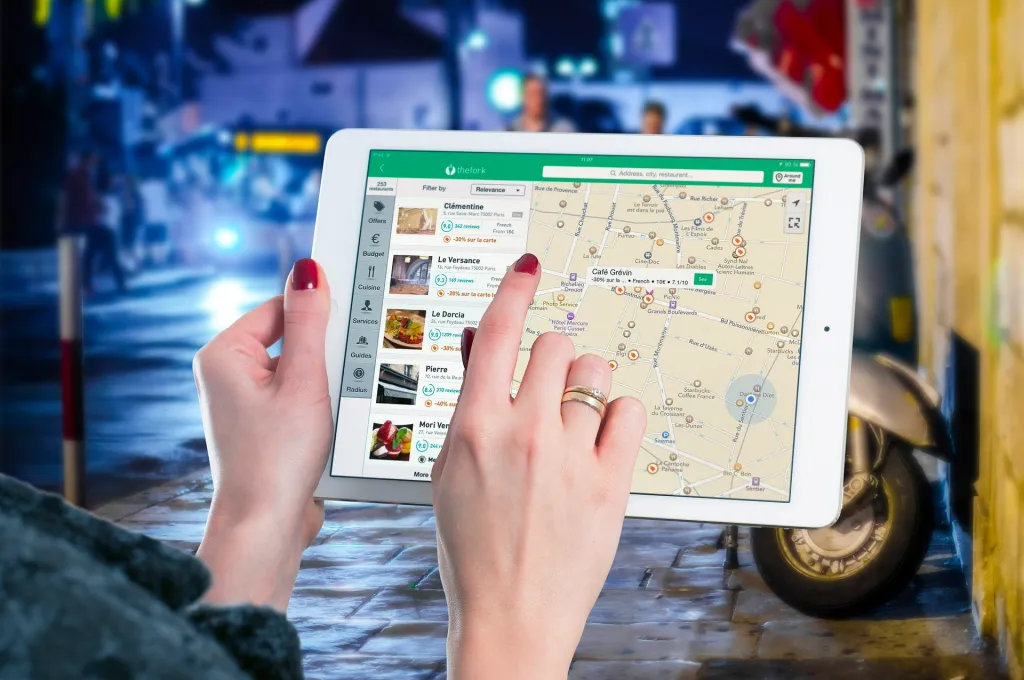
Google Maps is arguably the most popular and widely-used platform for digital food discovery. Beyond its core function of providing navigation, Google Maps offers a robust food recommendation system that helps users locate restaurants, street vendors, food markets, and more.
Google Maps also gives users the ability to filter dining options based on factors such as ratings, hours of operation, price range, and even the menu. What sets Google Maps apart is its integration with Google Search, which makes it easier for users to find food recommendations based on broader web searches or even by following a specific food blogger’s advice.
Moreover, Google’s integration with Google Reviews allows for a large volume of feedback from a global audience. This transparency makes it easier for travelers to find eateries that cater to their preferences, whether it’s trying local street food or searching for plant-based restaurants.
2. TripAdvisor: Reviews and Recommendations
TripAdvisor has long been one of the most trusted platforms for food recommendations, combining user reviews with expert recommendations to offer a wide range of dining options. The platform features ratings, reviews, photos, and personalized food suggestions based on the user’s travel destination.
For food tourists, TripAdvisor provides insights not only into the food quality but also into the dining experience as a whole—highlighting details about atmosphere, service quality, and even cultural authenticity. The platform also allows users to create personalized lists of recommended dining spots, which can be shared with friends or fellow travelers.
3. Xiaohongshu (Little Red Book): A Chinese Social Media Platform for Foodies
In recent years, Xiaohongshu (Little Red Book), a Chinese social media platform, has become one of the most influential digital platforms in the food and travel industry. Known for its user-generated content, Xiaohongshu is widely used by Chinese-speaking foodies to share their dining experiences, recipes, and food discoveries.
Travelers use Xiaohongshu to seek recommendations for hidden gems, including street food stalls, local cafes, and traditional eateries that may not be listed on other international platforms. The unique feature of Xiaohongshu is its community-driven nature—users post short videos, photos, and stories about their food experiences, which allows other users to see a genuine, unfiltered look at dining spots.
Through hashtags, search functions, and location tags, Xiaohongshu makes it easy for users to discover off-the-beaten-path restaurants and neighborhood markets, adding a layer of personal touch and cultural insight to the recommendations.
4. Instagram and Food Influencers: Social Media’s Role in Food Discovery
Instagram, although not primarily a review platform, has become a major influence on food tourism. With over 1 billion active users, Instagram is flooded with food photos, culinary experiences, and reviews shared by food bloggers, influencers, and travelers alike. Instagram’s visual nature allows users to discover new dishes and restaurants by searching for hashtags such as #foodie, #streetfood, or #hiddenrestaurants.
Food bloggers and influencers often use the platform to highlight lesser-known eateries and street food vendors that might not appear on traditional review sites. Instagram has become an essential tool for food tourists who want to uncover new, authentic food experiences.
III. The Benefits of Digital Food Mapping for Travelers
1. Discovering Authentic Local Experiences
The most significant benefit of digital food mapping platforms is their ability to connect travelers with authentic food experiences. Instead of relying on tourist-oriented, international chain restaurants, travelers can discover local favorites that provide insight into the culinary culture of a place.
These platforms help travelers find not only mainstream options but also hidden gems—small family-run restaurants, street food vendors, and niche eateries that reflect the true flavors of a region. By combining user reviews, real-time feedback, and personalized recommendations, platforms provide a reliable guide to discovering the best local dining spots.
2. Real-Time Updates and Transparency
Another advantage of digital food maps is the real-time nature of their information. Unlike traditional food guides, which may become outdated, these platforms offer up-to-date reviews and ratings. Travelers can easily check if a restaurant is open, read about the latest menu items, and view recent photos. This feature adds a layer of convenience and reliability to the travel planning process.
3. The Influence of Local Communities and Social Media
The shift toward social media-driven food recommendations has democratized food tourism. No longer do travelers need to rely solely on expert reviews or expensive guidebooks. Platforms like Xiaohongshu and Instagram empower locals to share their knowledge and personal experiences with the world, providing a rich source of authentic recommendations that might not be found in traditional travel literature.
IV. Conclusion
As digital tools continue to evolve, the role of food tourism is becoming more personalized and dynamic. Digital food maps like Google Maps, TripAdvisor, and Xiaohongshu are transforming the way travelers discover food, making it easier to navigate through a world of culinary diversity. These platforms are not only providing recommendations but are also creating opportunities for cultural exchange, giving travelers the chance to connect with local communities through food.
The future of food tourism will undoubtedly be shaped by the growing influence of digital platforms, allowing travelers to explore culinary experiences that are deeply rooted in the local culture. As food mapping technology continues to improve, travelers can expect even more tailored, authentic, and unforgettable culinary adventures.