









Introduction
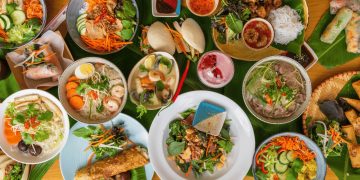
In an increasingly interconnected world, food has become more than just a necessity for survival; it has evolved into a symbol of culture, identity, and global exchange. The globalization of food is a remarkable phenomenon that has reshaped culinary practices across the globe, blending traditional flavors with contemporary techniques, and creating new hybrid cuisines. From street food vendors in Southeast Asia to Michelin-starred restaurants in New York, food today transcends geographical boundaries, bringing diverse cultures closer together.
This article explores the fusion of food and culture within the context of globalization. It delves into the ways in which culinary traditions have been exchanged, transformed, and redefined in the modern world. Additionally, it addresses the economic, social, and cultural implications of global food fusion and examines both the positive and negative aspects of this trend.
I. The Rise of Globalized Cuisine
The term “globalization” refers to the increasing interconnectedness of the world, driven by advancements in technology, communication, and transportation. This phenomenon has significantly impacted many sectors, including food. Over the past few decades, globalization has led to the widespread dissemination of culinary traditions, transforming regional dishes into global favorites.
One of the most notable examples of this is the global popularity of cuisines like Italian, Chinese, Mexican, and Indian. These cuisines have spread across continents, not only because of immigration and trade but also due to the rise of food tourism, international media, and social platforms like Instagram and YouTube. Food has become an essential part of the cultural fabric of cities around the world.
The Popularity of Fusion Cuisine
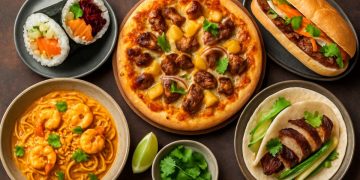
Fusion cuisine, which blends ingredients, techniques, and flavors from different culinary traditions, has gained significant traction in the context of globalization. Restaurants in major cities across the world now offer fusion dishes that combine elements from different regions, such as sushi burritos, Korean tacos, or Indian pizza. These dishes often represent a blending of cultures that is reflective of the multicultural makeup of modern society.
The rise of fusion cuisine can be attributed to several factors. One is the movement of people across borders—immigrants bring their culinary heritage with them, which then mixes with local food traditions. Additionally, chefs and home cooks, empowered by the easy access to ingredients from around the world, experiment with new combinations that reflect the diversity of modern global culture.
II. The Impact of Food Globalization on Traditional Cuisines
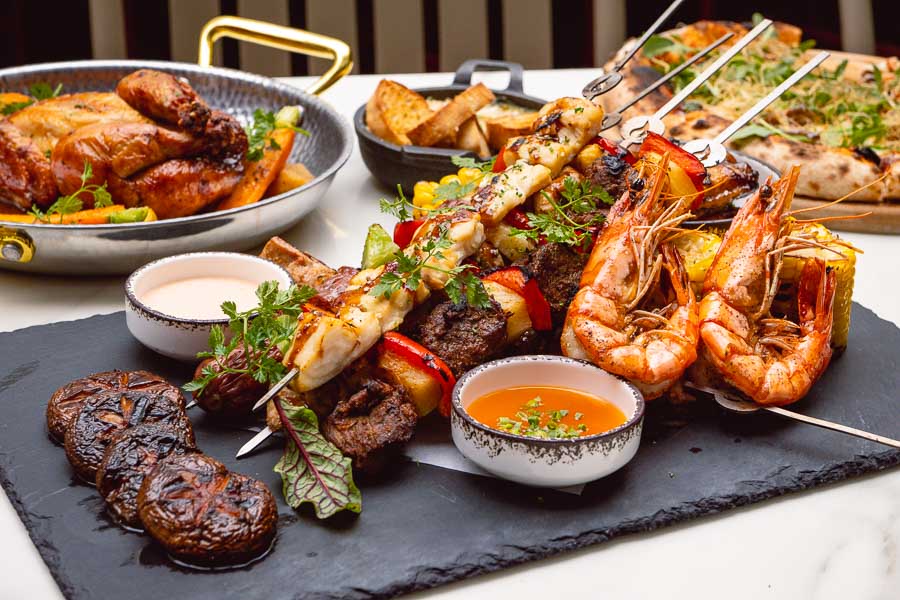
While the fusion of cuisines brings exciting innovations to the table, it also raises questions about the preservation of traditional food cultures. As international flavors and techniques are adopted and adapted in local contexts, certain culinary traditions are at risk of being diluted or lost altogether. In many parts of the world, the rise of fast food chains and multinational food brands has led to the homogenization of eating habits, with local specialties sometimes overshadowed by global food trends.
Cultural Appropriation vs. Cultural Appreciation
A key concern regarding food globalization is the fine line between cultural appropriation and cultural appreciation. Cultural appropriation occurs when elements of one culture are adopted without understanding or respecting their origins, often for commercial gain. In the culinary world, this can be seen in instances where traditional dishes are altered or stripped of their cultural significance to cater to a wider, often less informed, audience.
Conversely, cultural appreciation involves a respectful engagement with and celebration of another culture’s food traditions. This form of exchange typically includes an effort to preserve the authenticity of the cuisine while sharing it with a broader audience. When done thoughtfully, it can foster mutual respect and understanding among diverse groups of people.
The Role of Media in Shaping Culinary Trends
Media, including television shows, documentaries, food blogs, and social media platforms, plays a significant role in promoting the globalization of food. Shows like Chef’s Table on Netflix, or Top Chef on Bravo, have exposed global audiences to a wide range of culinary traditions and the chefs who champion them. Instagram and YouTube have become platforms where food trends emerge and spread rapidly, with influencers showcasing everything from exotic spices to street food from around the world.
However, the rise of food media also raises concerns about the commodification of culture. What starts as an authentic culinary expression can quickly be turned into a marketable trend, stripping it of its cultural context and significance. This is particularly evident in the case of “food tourism,” where people travel the world seeking to experience and capture iconic dishes for social media consumption, often without fully appreciating the cultural stories behind them.
III. The Role of Immigrant Communities in the Evolution of Global Cuisine
Immigrant communities have always been central to the spread and evolution of global cuisine. As people migrate from one region to another, they bring with them not only their traditions and customs but also their food. The melting pot of immigrant cultures in major cities like New York, London, and Los Angeles has given rise to a new wave of culinary innovation.
Take, for example, the evolution of American food culture. Dishes like the hamburger and hot dog, which are often associated with American cuisine, actually have European roots. The hamburger was inspired by German immigrants who brought their “frikadellen” (meat patties) to the United States, while the hot dog has origins in German sausages. Over time, these dishes were adapted and became symbols of American culinary identity.
Similarly, Chinese immigrants in the United States transformed traditional Chinese cuisine to cater to American tastes, creating dishes like chop suey and General Tso’s chicken, which bear little resemblance to the dishes found in China. This process of adaptation and fusion is not unique to the U.S. but can be seen in other countries with large immigrant populations, such as Canada, Australia, and the United Kingdom.
The Globalization of Ethnic Food Markets
In recent years, the global movement of food has been further accelerated by the growth of ethnic food markets. As immigrant populations expand, they bring with them the demand for authentic ingredients and spices from their home countries. This has led to the proliferation of international supermarkets and specialty food stores, which cater to a growing consumer base interested in exploring new and diverse flavors.
Moreover, global supply chains have made it possible to source ingredients from virtually any part of the world, allowing chefs and home cooks to experiment with authentic ingredients that were once difficult to obtain. For example, it is now possible to find high-quality wasabi, miso, and soy sauce in supermarkets in the United States or Europe. This accessibility has fostered a deeper appreciation for the diverse culinary traditions of the world.
IV. The Economic Impact of Global Food Fusion
The economic impact of food globalization is multifaceted. The rise of global food chains, the expansion of international restaurants, and the increasing demand for ethnic foods have transformed the food industry, creating new opportunities for businesses and entrepreneurs. At the same time, the global food trade has led to the development of multinational food corporations, which have the power to shape global food trends and consumer behavior.
The Emergence of Global Restaurant Chains
One of the most visible aspects of food globalization is the proliferation of multinational restaurant chains. Brands like McDonald’s, Starbucks, and KFC have established a global presence, with thousands of locations across the world. These chains have adapted their menus to cater to local tastes, incorporating regional ingredients and flavors into their offerings. For example, McDonald’s serves teriyaki burgers in Japan, while KFC in China offers rice dishes and dumplings.
While these global chains have had a significant impact on local food cultures, they have also faced criticism for contributing to the decline of traditional food industries and promoting unhealthy eating habits. Nevertheless, the economic success of these brands highlights the powerful role of food in shaping the global economy.
The Growth of Food Tourism
Food tourism has also emerged as a key driver of the global food economy. Traveling to experience the local cuisine has become a significant aspect of global tourism. Cities like Bangkok, Barcelona, and Paris have become gastronomic destinations, attracting food lovers from around the world who are eager to sample the unique flavors and culinary traditions of these regions.
Food tourism contributes to local economies by creating jobs in the hospitality sector, including restaurants, food markets, and street food vendors. It also encourages the preservation of traditional food practices, as tourism can provide an incentive for communities to maintain their culinary heritage.
V. Conclusion
The fusion of food and culture in the context of globalization is a complex and multifaceted phenomenon that has reshaped the way we understand and experience cuisine. As culinary traditions blend and evolve, food has become a powerful tool for cultural exchange, fostering greater understanding and appreciation between diverse peoples.
However, the process of globalization also raises important questions about cultural authenticity, the preservation of traditional food practices, and the impact of multinational food corporations. As we continue to navigate this globalized food landscape, it is essential to recognize the importance of cultural respect and appreciation, ensuring that the rich diversity of the world’s culinary traditions is celebrated and preserved for future generations.
By embracing both the innovations of food fusion and the preservation of culinary heritage, we can ensure that food continues to serve as a unifying force that brings people together, transcending borders and enriching our global culture.