





Introduction: The Global Language of Food
Throughout history, food has always been a powerful element in human society, not only nourishing our bodies but also enriching our cultures. From the earliest trade routes, where spices were exchanged between East and West, to the modern-day popularity of sushi in the United States and pasta in Brazil, food has long been a symbol of human connectivity. Today, food is more than just sustenance; it is a universal language that transcends national borders and becomes a bridge for cultural exchange. In a world of increasing globalization, food serves as a tool for building relationships between diverse cultures, promoting understanding, and fostering collaboration.
From international culinary festivals to multinational restaurants, food has become an essential aspect of modern global culture. Its ability to connect people from various backgrounds, traditions, and customs has allowed food to function as a vehicle for peace, dialogue, and cultural diplomacy. This article will explore how food plays a critical role in global cultural exchange, how it fosters understanding and breaks down barriers, and how modern trends in food consumption further this process.
Section 1: Food as a Medium for Cultural Dialogue
1.1 The Historical Roots of Food Exchange
Food has been a critical element in human interaction for millennia. Long before global trade was formalized, people exchanged goods and ingredients across vast distances, sharing culinary knowledge, techniques, and recipes. This early exchange was foundational to the development of regional cuisines and contributed to the globalization of food.
For instance, the Silk Road, the ancient trade route connecting East Asia to the Mediterranean, was instrumental in introducing exotic foods and spices to different cultures. Spices such as cinnamon, pepper, saffron, and cloves traveled from India and China to Europe, transforming the flavors of European cuisine. Similarly, coffee and sugar spread from the Middle East and Africa to the Americas, where they became integral to new culinary traditions.
As trade expanded, so did the spread of culinary knowledge. Olive oil, wine, and cheese were introduced across regions and became staple elements in European and Mediterranean cuisine. This ancient exchange of ingredients laid the foundation for a global food culture that continues to evolve today.
1.2 Food as Cultural Diplomacy
Food has long been a powerful tool in diplomacy and international relations. Throughout history, leaders and governments have used food to build relationships, foster cooperation, and extend gestures of goodwill. One of the most famous examples of this is the concept of the state dinner, where culinary exchanges are a central feature of political diplomacy.
By sharing meals and breaking bread, diplomats have been able to bridge cultural differences and discuss sensitive issues in a more relaxed, informal setting. The French culinary tradition, for example, has been used in diplomacy as a way to convey hospitality, elegance, and French culture in international negotiations. In a similar vein, Chinese banquet culture is an essential part of its diplomacy, where state visits are marked by elaborate feasts, reinforcing China’s rich cultural heritage.
In many cases, food can provide a neutral space for discussions. Shared meals allow people to connect on a personal level, turning potential diplomatic tensions into opportunities for collaboration. The process of cooking and eating together fosters camaraderie and helps people from different backgrounds see the humanity in each other.
Section 2: The Role of Food in Globalization and Cultural Integration
2.1 The Spread of Global Cuisines
Globalization has undoubtedly accelerated the movement of food around the world, but it has also fostered a sense of cultural integration and appreciation. The rapid global exchange of ingredients, cooking methods, and food trends has led to a fusion of flavors and a greater appreciation of the diversity in world cuisines.
A prime example is the rise of fusion cuisine—the blending of culinary traditions from different countries to create new, hybrid dishes. The popularity of dishes such as sushi burritos, tacos al pastor, and sushi pizza shows how different cultures are coming together to create innovative foods that combine diverse techniques and ingredients. These dishes reflect the blending of traditions while celebrating the unique elements of each culture.
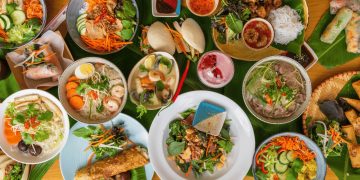
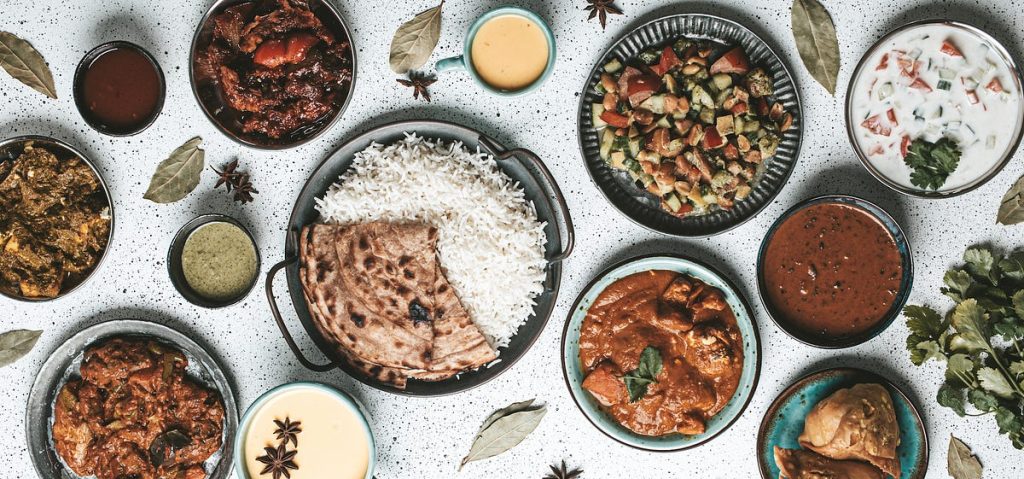
The increasing number of ethnic restaurants worldwide further attests to this trend. Whether it’s Thai, Indian, Ethiopian, or Mexican, cities around the world are home to a diverse range of international cuisines. In major metropolitan areas like New York, London, and Sydney, people regularly enjoy food from cultures different from their own, fostering mutual respect and understanding through the appreciation of food.
2.2 Food Festivals as Celebrations of Cultural Diversity
Food festivals have become a global phenomenon, attracting thousands of visitors from different countries to sample traditional dishes, explore new flavors, and celebrate culinary heritage. These festivals not only highlight the richness of local cuisines but also serve as platforms for cultural exchange and education. They offer a chance for local chefs, food artisans, and farmers to share their knowledge and culinary traditions with a broader audience.
- Oktoberfest in Germany: One of the world’s most famous festivals, Oktoberfest brings together people from all corners of the globe to celebrate German beer, food, and culture. The festival is a celebration of German culinary heritage, but it also attracts international guests who come to taste traditional foods like pretzels, sausages, and sauerkraut, all while experiencing Bavarian culture.
- The Taste of Chicago (USA): As one of the largest food festivals in the world, The Taste of Chicago allows people from around the globe to sample Chicago’s iconic dishes, including deep-dish pizza and Chicago-style hot dogs. The festival also hosts international pavilions, where visitors can enjoy food from various global cuisines, turning it into a celebration of the city’s cultural diversity.
- Fête de la Gastronomie (France): This annual event celebrates the best of French culinary traditions, but it also promotes international food cultures, showcasing the fusion of local and global flavors. It highlights the importance of food heritage and the role it plays in shaping the French identity, while encouraging cross-cultural dialogue through the shared appreciation of food.
These festivals create spaces where people of different nationalities and backgrounds can interact, share their experiences, and learn from each other’s culinary practices. Such events promote not only the appreciation of food but also the cultural values and traditions behind the dishes.
Section 3: Food and Technology: Enhancing Global Cultural Exchange
3.1 The Digital Revolution and Food Connectivity
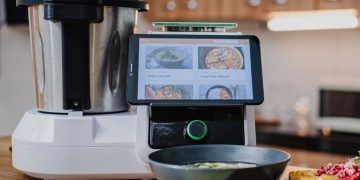
The digital age has played a transformative role in making food a central element of global cultural exchange. Social media platforms, food blogs, and digital recipe-sharing networks have allowed people from different parts of the world to access and share culinary knowledge at the click of a button. Instagram, for example, has become a platform where food can be both appreciated visually and promoted globally, creating a virtual space for food lovers from across the world to share their culinary creations.
Food bloggers and influencers are now able to bring international cuisines into people’s homes. Whether it’s a recipe for Indian curry, Italian pasta, or Japanese ramen, food bloggers help demystify cultural cuisines and encourage home cooks to experiment with global ingredients. This not only promotes cultural understanding but also democratizes global cuisine, allowing anyone, anywhere, to experience food from different cultures.
Furthermore, technology has enabled the rise of virtual food tours and online cooking classes, allowing people to explore different culinary traditions without leaving their homes. From mastering the art of French pastry to learning how to prepare authentic Chinese dim sum, people can now engage in cultural exchange through food from the comfort of their living rooms.
3.2 The Role of Food in Sustainable Global Development
Food also plays an important role in promoting sustainable global development. As the world faces challenges like climate change, global hunger, and food security, many international organizations are using food as a tool to promote sustainable agriculture, fair trade, and ethical sourcing.
Initiatives like the Slow Food Movement and World Food Day highlight the importance of supporting local farmers, preserving traditional food systems, and promoting sustainable practices. Food is increasingly being used as a vehicle for global solidarity, bringing together individuals and communities to discuss ways to address critical issues such as hunger, food waste, and environmental degradation.
Conclusion: Food as a Universal Connector
Food is more than just a means of sustenance; it is a powerful force that unites people across the globe. From its role in diplomacy and trade to its ability to foster cross-cultural connections and understanding, food serves as a bridge between cultures, breaking down barriers and building shared experiences. As globalization continues to bring the world closer together, food will remain at the heart of the dialogue, promoting peace, understanding, and collaboration on a global scale. Through food, we not only nourish our bodies but also our relationships, cultures, and humanity.