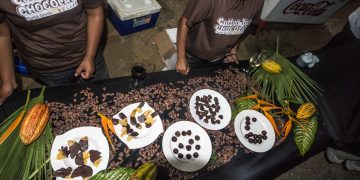










Introduction: The Evolution of Culinary Travel
Culinary travel, once a simple pursuit of tasting new and exotic dishes, has evolved into a multifaceted experience that transcends the boundaries of food itself. Today, food lovers, travelers, and gastronomes are embarking on journeys not just for the sake of indulgence but to delve deeper into the rich histories, diverse cultures, and the vibrant local lifestyles that shape the food they enjoy. Food, in the context of travel, has become a gateway to understanding not just taste, but a region’s culture, values, and identity.
In this article, we will explore the growing trend of culinary tourism, how it has transformed from simple food tasting to a profound way of experiencing the essence of a place, and how travelers are now using food as a vehicle for cultural exploration. From street food in Southeast Asia to Michelin-starred restaurants in Europe, culinary travel today encompasses a wide spectrum of experiences that allow travelers to connect with local traditions, meet the people behind the food, and even take part in the creation of dishes.
I. The Rise of Culinary Travel: From Taste to Immersion
1.1 A Shift from Tasting to Learning
While the primary motivation for culinary travel used to be the indulgence of trying new dishes and savoring unique flavors, there has been a distinct shift toward immersive experiences. Culinary tourism now goes beyond simply eating food—it is about understanding the origins of dishes, the cultural significance behind them, and the stories that make them special.
Travelers no longer just visit a country to eat its food; they engage with local producers, learn about traditional cooking methods, and participate in culinary classes and workshops. The rise of food-centric travel experiences such as farm-to-table tours, cooking classes, and local food festivals reflects this shift. These experiences allow tourists to engage with food in a deeper, more meaningful way, connecting them to the culture and community behind the food.
1.2 Culinary Travel as a Tool for Cultural Exchange
Food is a universal language. Through it, travelers can experience the cultural diversity of different regions, and food tourism has become an important medium for cultural exchange. Whether it’s tasting regional specialties, learning traditional cooking techniques, or understanding the symbolism behind a dish, culinary travel facilitates cross-cultural connections.
For example, in countries like Italy, where food is a central part of social life, travelers may not only sample pizza and pasta but also take part in olive oil tasting tours, cheese-making workshops, and vineyard visits. In Japan, culinary travelers can explore the delicate art of sushi-making, visit local fish markets, and understand the philosophy behind ingredients like umami. This type of travel offers a rich understanding of the places visited, allowing people to see beyond the tourist spots and truly immerse themselves in the local culture.
II. Gastronomic Tourism: A Global Phenomenon
2.1 The Global Appeal of Culinary Destinations
In recent years, gastronomic tourism has become a booming industry. Travelers are now seeking destinations that offer not only iconic dishes but also the ability to engage with the food culture in meaningful ways. Cities like Barcelona, Tokyo, and New York have long been culinary hotspots, but lesser-known destinations such as Lima, Bangkok, and Marrakech are quickly gaining attention for their vibrant and dynamic food scenes.
According to a report by the World Food Travel Association, nearly 30% of international travelers today choose their destinations based on the quality and reputation of the local food scene. Culinary travelers are no longer confined to traditional destinations but are eager to explore emerging food capitals that offer authentic, locally inspired experiences. For instance, the food scene in Copenhagen, driven by the global popularity of the New Nordic Cuisine movement, has drawn thousands of food tourists eager to sample innovative dishes and learn about local sustainability practices.
2.2 Michelin Stars and Beyond: High-End Culinary Travel
At the other end of the spectrum, some travelers seek luxury culinary experiences, where fine dining takes center stage. Restaurants with Michelin stars, James Beard Awards, and other prestigious accolades have become highly sought-after destinations for food enthusiasts.
However, the appeal of luxury food tourism is not just about the dining experience but also about the entire package that surrounds it. Travelers who visit these world-renowned establishments often engage in curated experiences that combine fine dining with local tours, meet-the-chef sessions, and even behind-the-scenes kitchen access. The appeal of dining in a Michelin-starred restaurant, whether it’s Noma in Denmark, El Celler de Can Roca in Spain, or Osteria Francescana in Italy, lies not just in tasting exquisite food but in the opportunity to engage with the artistry and passion behind the culinary creations.
2.3 Street Food: The Soul of Local Cuisine
While fine dining is an important aspect of culinary tourism, street food has emerged as one of the most powerful forms of cultural engagement. From the bustling markets of Bangkok and Ho Chi Minh City to the taco stands of Mexico City and the food stalls of Istanbul, street food offers a way to experience a destination’s soul. These informal food experiences reflect the history, traditions, and authenticity of a place in ways that upscale restaurants sometimes cannot.
Street food is often where you’ll find the most innovative, honest, and accessible forms of cuisine. It tells the story of everyday life, where local people come together to share a meal, and where food is prepared with passion, simplicity, and soul. Culinary travelers who seek out street food are not just eating—they are tasting the essence of a culture, forging connections with locals, and often learning time-honored cooking techniques passed down through generations.

III. The Culinary Traveler’s Experience: Beyond the Plate
3.1 Participating in the Cooking Process
Culinary travel offers more than just tasting food—it invites participants to become part of the process. Many food experiences now include hands-on cooking workshops where travelers can learn how to prepare regional dishes themselves. Whether it’s making fresh pasta in Tuscany, preparing sushi in Tokyo, or crafting dim sum in Hong Kong, these classes offer a deeper appreciation for the ingredients, techniques, and skills that go into creating the food.
Through these workshops, travelers gain a deeper understanding of the history and significance behind dishes, as well as the opportunity to interact with chefs, home cooks, and artisans who are experts in their craft. This type of active participation creates a more immersive travel experience, where food is not just something you consume but something you actively create.
3.2 The Rise of Food-Focused Festivals
Food festivals have become major attractions for culinary travelers. These festivals provide opportunities to engage with local chefs, food producers, and restaurateurs while experiencing the region’s unique flavors. Food festivals are often designed to showcase a country’s culinary heritage, from the Feast of San Gennaro in New York to Osteria Francescana’s annual food celebrations in Modena, Italy.
Participating in food festivals provides travelers with a sense of community, as they interact with other food lovers, chefs, and vendors. These events often celebrate not just food but also music, art, and dance, creating a truly immersive cultural experience.
3.3 Sustainable and Ethical Culinary Travel
Sustainability has become an increasingly important theme in culinary travel. Travelers today are more conscious about the environmental and social impacts of their food choices, seeking out sustainable, ethical, and locally sourced food experiences. Whether it’s dining at a farm-to-table restaurant, participating in a foraging tour, or supporting local food cooperatives, culinary travelers are increasingly prioritizing sustainability as a key element of their journeys.
Food is one of the most powerful ways we can engage with sustainability, as it directly affects our health, the environment, and the future of the planet. Culinary tourism is increasingly about promoting sustainable food practices and supporting small-scale producers who grow food in harmony with nature.
IV. The Future of Culinary Travel
4.1 Virtual Culinary Experiences
As technology continues to reshape the way we travel, virtual culinary experiences are becoming a new frontier for culinary tourism. With the rise of virtual cooking classes, online food tours, and live-streamed events with chefs, travelers can now participate in food experiences from anywhere in the world. These virtual experiences have made food travel accessible to people who may not have the resources to travel far or who wish to explore international cuisines from the comfort of their homes.
4.2 The Growth of Culinary Tourism: A Sustainable Approach
Looking forward, the future of culinary travel will likely be shaped by a deeper emphasis on sustainability and local food systems. As the world’s food systems face increasing challenges due to climate change, overconsumption, and food insecurity, culinary travelers will play a critical role in supporting practices that promote local food sovereignty, ethical farming, and sustainable dining.
Tourists who are seeking meaningful travel experiences will continue to be drawn to destinations where food is more than just a commodity. They will look for destinations where food is a gateway to understanding a community’s values, where food systems are respected, and where local cuisines are preserved and celebrated.
Conclusion: Culinary Travel as a Journey of Discovery
Culinary travel has evolved into much more than a way to taste food—it has become a powerful tool for exploring culture, understanding history, and connecting with people. From immersive cooking classes to street food stalls, food tourism today represents a holistic experience that encompasses exploration, learning, and engagement.
As the world continues to embrace the importance of food in understanding culture, the future of culinary travel will undoubtedly become more diverse, sustainable, and creative. With each meal, culinary travelers are discovering not just the flavors of the world, but the stories, traditions, and people that make each dish so unique. The journey, it seems, is as much about the experience as it is about the taste.