





Introduction: The Unique Culinary Landscape of Kyushu and Hokkaido
Japan’s regional cuisine is as diverse as its landscapes, and two of the country’s most distinctive regions in terms of food culture are Kyushu and Hokkaido. Located at opposite ends of the archipelago, Kyushu in the south and Hokkaido in the north boast rich culinary traditions that reflect their unique geographical, climatic, and cultural characteristics. From Kyushu’s renowned fishing industry and agricultural bounty to Hokkaido’s pristine natural resources and cold-weather crops, these regions offer an abundance of flavors that are deeply rooted in their local environments.
Both Kyushu and Hokkaido have long histories of thriving agriculture and fishing industries, making them essential contributors to Japan’s food culture. The food from these regions is celebrated not only for its taste but also for its sustainability, freshness, and use of locally sourced ingredients. While their culinary styles may differ, both regions place a significant emphasis on quality, seasonality, and the preservation of traditional methods.
In this article, we will explore the local foods, culinary traditions, and the historical and cultural influences that make Kyushu and Hokkaido stand out as exceptional food destinations in Japan. We will also examine how the regions’ unique fishing practices, agriculture, and climates have shaped their distinctive flavors and dishes, from seafood delicacies to hearty, seasonal ingredients.
1. Kyushu: The Heart of Southern Japanese Cuisine
A. Geographical and Cultural Context of Kyushu
Kyushu, the southernmost of Japan’s four main islands, is often referred to as the “gateway” to Japan because of its proximity to other East Asian countries. The region’s climate is warmer than the rest of Japan, which has made it an ideal location for cultivating a variety of crops. Additionally, Kyushu’s access to the Pacific Ocean and the East China Sea has allowed it to become a hub for fishing and seafood harvesting.
Kyushu is known for its rich agricultural diversity, which includes rice, sweet potatoes, and citrus fruits, alongside a thriving fishing industry. The island’s warm climate supports a long growing season, and its fertile soils yield high-quality crops that are the foundation of the region’s cuisine.
B. Kyushu’s Seafood Specialties
Being surrounded by water, Kyushu has access to some of the finest seafood in Japan. The island’s fishing traditions have produced a wide variety of seafood dishes, many of which highlight the region’s fresh catches.
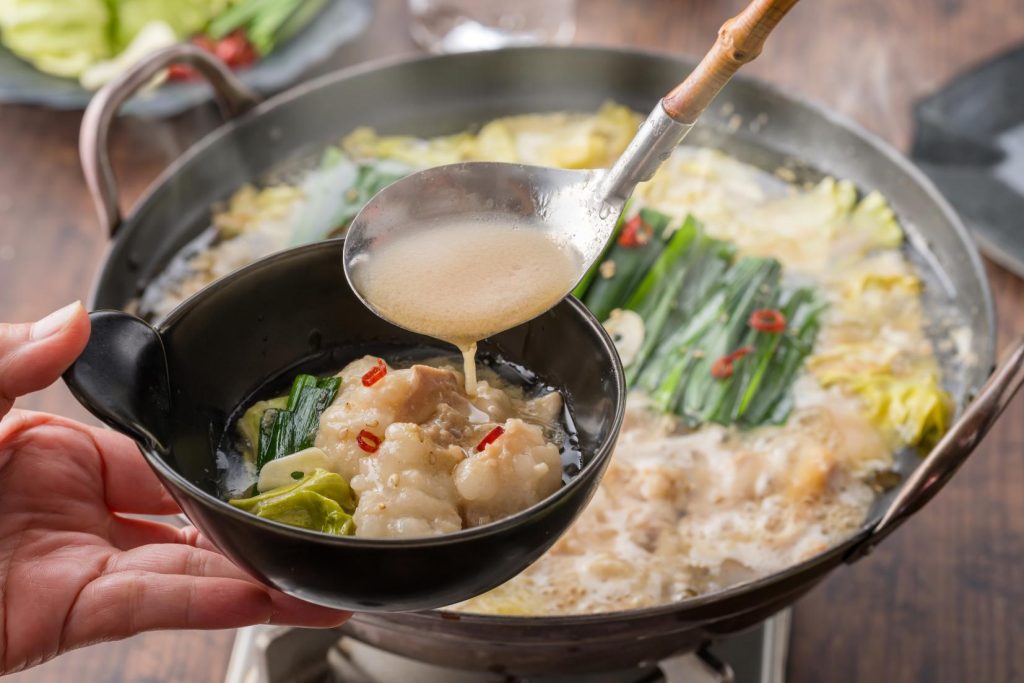
- Fukuoka’s Motsunabe: Fukuoka, one of Kyushu’s major cities, is renowned for its motsunabe, a hot pot dish made with beef or pork offal and a variety of vegetables. This dish is particularly popular during the colder months and is enjoyed for its rich, hearty flavors.
- Saganoseki Squid: The city of Saganoseki, located in Oita Prefecture, is known for its tender, sweet squid. The squid is often served as sashimi, grilled, or in various regional dishes such as ikameshi (stuffed squid).
- Kagoshima Black Pork: Kagoshima, in the southern part of Kyushu, is famous for its kurobuta or black pork, which is prized for its marbled texture and rich flavor. This meat is often used in dishes like tonkotsu ramen, one of Kyushu’s signature dishes.
C. Kyushu’s Agricultural Delights
Kyushu is also a major agricultural hub, producing a wide variety of crops that contribute to its rich culinary heritage. From tropical fruits to unique vegetables, the region’s agricultural products play a vital role in its cuisine.
- Kyushu’s Citrus Fruits: The island produces a variety of citrus fruits, most notably yuzu, dekopon, and kabosu. These fruits are used in everything from fresh juices to dressings and condiments, adding brightness and complexity to dishes.
- Sweet Potatoes: Kyushu is famous for its sweet potatoes, which are a staple ingredient in many local dishes. The island’s hot climate is ideal for growing these nutrient-rich tubers, which are used in everything from stews and soups to desserts.
2. Hokkaido: Japan’s Northern Culinary Gem
A. Hokkaido’s Geographic and Environmental Significance
Located at the northern tip of Japan, Hokkaido is characterized by its cold winters, cooler summers, and vast open landscapes. This rugged and expansive region is home to sprawling farmlands, pristine lakes, and mountainous terrain. The island’s harsh winters and short growing seasons have shaped the types of crops and food that thrive here, with a focus on hardy, nutrient-dense ingredients.
Hokkaido is also known for its high-quality livestock, dairy, and seafood, all of which have become cornerstones of its food culture. In recent years, the island has become synonymous with premium ingredients, particularly in relation to its dairy products and seafood, which are prized both domestically and internationally.
B. Hokkaido’s Seafood Treasures
Hokkaido’s surrounding cold waters are abundant in diverse and high-quality seafood, making it one of the best regions in Japan for enjoying fresh fish, shellfish, and seaweed. The island’s seafood industry is renowned for its innovation, particularly in the production of premium-grade fish and shellfish.
- Hokkaido Crab: Perhaps the most famous seafood product from Hokkaido is its crab, particularly the snow crab and king crab varieties. These crabs are often served steamed, in hot pots, or in sushi, and their delicate, sweet meat is a culinary treasure.
- Sapporo Miso Ramen: While ramen is a national dish of Japan, Sapporo, the capital of Hokkaido, is especially known for its miso ramen, which features a rich, flavorful broth made with miso, and is often topped with local seafood like scallops or crab.
- Ikura (Salmon Roe): Hokkaido is also famous for its salmon roe or ikura, which is often used as a topping for sushi or served on rice. The roe from Hokkaido salmon is particularly prized for its size, flavor, and texture.
C. Hokkaido’s Agricultural Products
Hokkaido’s cool climate and fertile land make it ideal for farming, and the region is known for producing some of Japan’s best crops. While rice and vegetables are common throughout Japan, Hokkaido has become particularly famous for its dairy products, potatoes, and corn.
- Hokkaido Dairy: Hokkaido is often considered Japan’s dairy capital. The island’s rich pastures and cool climate are perfect for raising cows, and its dairy products, particularly milk, butter, and cheese, are celebrated for their quality and flavor.
- Potatoes: Hokkaido is the largest producer of potatoes in Japan, and the tuber plays a central role in the region’s cuisine. Hokkaido potatoes are used in everything from creamy mashed potatoes to traditional dishes like korokke (croquettes) and steamed potato cakes.
- Corn: The island’s climate is perfect for growing sweet, juicy corn. Hokkaido’s corn-on-the-cob is a favorite summer snack, and the island’s sweet corn is used in soups, salads, and even desserts.
3. Cultural and Culinary Influence: Regional Food Meets Innovation
A. The Role of Tradition in Kyushu and Hokkaido Cuisine
Both Kyushu and Hokkaido have deep cultural ties to their food traditions. The people of these regions take great pride in the way their food is produced, prepared, and consumed. This deep respect for food and the ingredients that define local cuisine is evident in everything from traditional festivals to modern dining establishments.
In Kyushu, local chefs often emphasize the use of fresh, seasonal ingredients, which are prepared with a minimalist approach to highlight the natural flavors of the ingredients. Similarly, in Hokkaido, the region’s cold-weather farming methods have resulted in a focus on ingredients that can thrive in the harsh environment, including root vegetables and hearty grains. Both regions also prioritize sustainable fishing and farming practices, ensuring that the food they produce and consume is of the highest quality.
B. Culinary Innovation and Fusion
While traditional dishes remain central to the food culture of both Kyushu and Hokkaido, there has been a significant shift toward culinary innovation in recent years. Restaurants in both regions are now incorporating modern techniques and international influences into their menus, combining regional ingredients with global flavors to create new culinary experiences.
For example, Hokkaido’s dairy products are increasingly featured in fusion desserts and international cuisine, such as Italian-style gelato and French pastries. Similarly, in Kyushu, traditional dishes like tonkotsu ramen have been reinterpreted and modernized by chefs experimenting with new broths and toppings.
4. The Future of Kyushu and Hokkaido Cuisine: Sustainability and Global Influence
As food culture continues to evolve, both Kyushu and Hokkaido will likely continue to play a crucial role in shaping Japan’s gastronomic future. With a growing focus on sustainability and local sourcing, both regions are well-positioned to meet the increasing demand for high-quality, responsibly sourced ingredients.
Moreover, as global interest in Japanese cuisine continues to rise, both Kyushu and Hokkaido are becoming essential food destinations for travelers seeking authentic, regional experiences. From the fresh seafood of Kyushu to the hearty, dairy-rich dishes of Hokkaido, these two regions will undoubtedly continue to shape the future of Japanese food culture both at home and abroad.
Conclusion: Kyushu and Hokkaido as Epicenters of Japan’s Culinary Landscape
Kyushu and Hokkaido are not only geographical opposites but also culinary polarities within Japan’s diverse food culture. Whether it is the seafood and agriculture of Kyushu or the cold-climate crops and dairy of Hokkaido, both regions embody the essence of Japanese culinary philosophy: respect for ingredients, attention to seasonality, and a deep connection to the land and sea. These two regions remain at the heart of Japan’s gastronomic identity, offering both traditional flavors and innovative cuisine to food lovers across the globe.
In the future, as sustainability and quality continue to shape culinary trends worldwide, Kyushu and Hokkaido will remain vital contributors to the evolution of Japan’s rich and diverse food culture. The global culinary stage has become a stage for these regions to showcase their unique flavors, and their food culture is set to inspire future generations of chefs, farmers, and food enthusiasts.