









Introduction: The Power of Netflix in Shaping Global Food Culture
In recent years, food has become one of the most significant ways for people to connect with cultures around the world. Television shows, documentaries, and cooking programs have elevated food from a simple necessity to a global cultural experience. Among these, Netflix has played a major role in introducing the diversity of food cultures to a wider audience, particularly through programs like Street Food and Chef’s Table. These shows have taken local street food and transformed it into a global phenomenon, giving viewers a glimpse into the traditions, flavors, and stories behind beloved dishes from the streets of cities around the world.
With the advent of these food-centric documentaries, local street food, which was once confined to specific regions and countries, has found its way onto the global stage. From the bustling streets of Bangkok to the night markets of Taipei, Netflix has brought the authenticity and uniqueness of street food to millions of viewers, creating a bridge between cultures through the universal language of food. This article explores how Netflix’s food documentaries have contributed to the global recognition of local street foods, the impact these shows have had on the culinary world, and the ways in which they are reshaping the way people perceive food traditions.
1. The Rise of Food Documentaries: A Cultural Phenomenon
Food documentaries have a rich history, but in the past decade, they have gained unprecedented popularity, with Netflix leading the charge. Shows like Chef’s Table (2015), Street Food (2019), and Salt Fat Acid Heat (2018) have fundamentally altered the way viewers experience food culture. By focusing on personal stories, local traditions, and unique ingredients, these shows have redefined food television and helped local street food gain global prominence.
The Appeal of Authenticity
The appeal of food documentaries lies in their ability to showcase food in its most authentic form. Unlike scripted cooking shows, these documentaries take viewers on a journey to explore the origins of the food, the culture behind it, and the artisans or chefs who dedicate their lives to perfecting it. Netflix’s Chef’s Table, for instance, is more than just a cooking show; it’s an exploration of culinary artistry and passion. Each episode profiles a renowned chef from a different part of the world, delving into their backgrounds, techniques, and philosophies of cooking.
Street Food, on the other hand, focuses on local food vendors and their stories, showcasing the intimate relationship between food and culture. The series highlights the colorful and often humble environments of street vendors, providing a powerful narrative about the people who serve up dishes beloved by locals. This level of authenticity is part of the allure for global audiences, as it allows viewers to experience food from cultures they may otherwise not have access to.
2. Street Food: Bringing the World’s Street Food to the Forefront
Street Food, a series produced by Netflix and created by the team behind Chef’s Table, premiered in 2019 to immediate acclaim. The series is divided into multiple seasons, with each focusing on the street food scene of a specific region, from Asia to Latin America to Europe. What sets Street Food apart from other cooking shows is its emphasis on the emotional and cultural aspects of street food. Rather than simply focusing on the ingredients or the techniques, the show dives deeply into the lives of the street food vendors, many of whom have spent decades perfecting their craft.
The Global Reach of Street Food
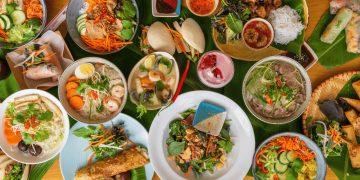
Street food has always been an integral part of many cultures, from the iconic taco stands of Mexico to the bustling noodle carts of Bangkok. However, these foods were often seen as niche or regional specialties, primarily enjoyed by locals. Netflix has brought these once-hidden gems into the global spotlight. The show highlights not only the food but also the people behind the stalls, giving audiences a sense of the hard work, tradition, and personal connection that goes into making each dish.
Through Street Food, viewers are transported to cities where street food is a way of life. In the first season, for example, Street Food explored the street food culture of Asia, focusing on cities like Bangkok, Ho Chi Minh City, and Osaka. It showcased how food is intertwined with the daily lives of people, highlighting the importance of these dishes to both the local economy and cultural identity. The portrayal of these foods as authentic, high-quality, and culturally significant has shifted the global perception of street food from “cheap eats” to a culinary art form.
Changing the Narrative Around Street Food
In many parts of the world, street food has often been viewed as low-cost, quick, and sometimes unclean. Yet Street Food is shifting this narrative. By focusing on the high level of skill involved in preparing street food and emphasizing its cultural importance, Netflix has changed how viewers understand this aspect of global cuisine. Street food is no longer seen merely as fast food but as an authentic, high-quality dining experience that offers a unique glimpse into local traditions and flavors.

3. Chef’s Table: Elevating Culinary Artistry and Globalizing Food Culture
Chef’s Table has been a major force in elevating food as a form of art. Premiering in 2015, the show showcases renowned chefs from around the world and highlights their signature dishes, creative processes, and deep passion for cooking. While Chef’s Table has always been about fine dining, it has indirectly helped bring local, regional dishes into the global spotlight by showcasing chefs who draw inspiration from traditional, street-level food.
From Street Food to Michelin Stars
Many of the chefs featured in Chef’s Table have started with humble beginnings in local eateries, using street food as their foundation before creating high-end dining experiences. For example, Chef Gaggan Anand, known for his progressive Indian cuisine, built his reputation by experimenting with traditional Indian street food and elevating it to fine dining standards. His restaurant, Gaggan, received international recognition for its innovative fusion of street food flavors and modern techniques. Shows like Chef’s Table allow viewers to see how these chefs took inspiration from the street food of their home countries and transformed them into avant-garde dining experiences.
Chef’s Table has also spotlighted chefs who are deeply invested in preserving and modernizing regional food traditions. The impact of these chefs on global food culture is undeniable, as they have not only contributed to the fine dining world but have also reintroduced traditional street foods in a new light, blending them with cutting-edge techniques and global influences.
4. Netflix’s Role in Making Street Food Accessible Globally
Netflix’s vast reach has played a crucial role in making global street food accessible to a wider audience. As the world becomes increasingly interconnected, people are more willing to explore new culinary experiences. Streaming platforms like Netflix allow viewers to experience street food without having to travel halfway around the world. For example, a viewer in the United States can watch an episode of Street Food that features the night markets of Taipei and get a detailed look at Taiwanese beef noodle soup or stinky tofu, dishes they may have never encountered in their local area.
Virtual Culinary Travel
In this way, Netflix is democratizing access to food and culture. By bringing street food into living rooms across the world, it provides an opportunity for people to virtually “travel” and experience the flavors of distant lands without ever leaving home. This virtual culinary travel has led to a surge in interest in street food and a desire to try dishes that are both exotic and authentic. As a result, local vendors have seen their global visibility increase, sometimes leading to the opening of new restaurants or the development of new products inspired by their street food offerings.
5. The Cultural Impact of Netflix’s Food Shows
The cultural impact of Netflix’s food programming extends far beyond the culinary world. By bringing diverse food cultures to the forefront, Street Food and Chef’s Table have contributed to a greater understanding and appreciation of global diversity. These shows emphasize the power of food to tell stories about history, family, tradition, and resilience.
Food as Cultural Exchange
Through their immersive storytelling, Netflix’s food shows have created a platform for cultural exchange, allowing people from different backgrounds to connect through shared food experiences. For example, a viewer in Brazil might learn about the rich history of Korean street food through Street Food: Asia, while a person in Japan might discover the culinary traditions of Senegalese cuisine in Chef’s Table. By showcasing food as an integral part of culture and identity, these shows have fostered empathy and curiosity about different cultures.
Promoting Sustainability and Ethical Eating
Additionally, many of Netflix’s food documentaries touch on issues such as sustainability, ethical sourcing, and the preservation of food traditions. In particular, Chef’s Table has often highlighted chefs who are deeply invested in sustainability and who work with local farmers and artisans to source ingredients in a way that supports the environment and communities. As viewers become more conscious of the environmental impact of food production, these shows have influenced the growing trend of ethical and sustainable eating.
6. Conclusion: The Future of Street Food on the Global Stage
As food documentaries continue to dominate the digital landscape, Netflix will likely remain a driving force in the globalization of street food culture. Programs like Street Food and Chef’s Table have successfully brought local food traditions to a global audience, giving millions the chance to discover and appreciate the diverse culinary offerings of the world.
In the future, it is likely that street food will continue to rise in prominence, not only as an accessible and affordable dining option but also as a culinary art form that can transcend borders and cultures. As more street food vendors gain global recognition, the line between high-end dining and street food will continue to blur, with chefs and food lovers alike embracing the unique flavors and stories behind these dishes. Through Netflix, food has truly become a global language—a language that unites people, celebrates cultures, and brings the world closer together, one bite at a time.