










Introduction: The Global Rise of Street Food
Street food culture has evolved from a niche culinary experience to a global phenomenon that attracts millions of food lovers around the world. What was once a simple, affordable meal option for urban dwellers has transformed into a vibrant and dynamic food scene that plays a central role in shaping the culinary identities of cities and countries alike.
From the bustling streets of Bangkok and Istanbul to the vibrant markets of Mexico City and Cairo, street food is as diverse as the cultures it represents. Street food vendors offer a wide variety of dishes, often rooted in traditional recipes, but with innovative twists that cater to contemporary tastes. In recent years, the street food movement has gained unprecedented popularity, with food trucks, pop-up stalls, and street food markets becoming staples in both developed and developing countries.
This article will explore the rise of street food culture globally, examining its origins, its evolution, its influence on modern cuisine, and the social, economic, and cultural factors contributing to its continuing growth. From the simple kebabs of the Middle East to the complex street food markets of Southeast Asia, we will uncover the many layers that make street food a global culinary movement.
1. The Origins of Street Food: From Ancient Markets to Modern Movements
Street food has been a part of human civilization for thousands of years, evolving alongside the growth of cities, markets, and trade routes. Early forms of street food were often sold in local markets or at street corners, catering to the busy working class who sought quick, affordable, and satisfying meals on the go.
Ancient Beginnings: Food for the Masses
In ancient civilizations, street food was often associated with markets and public spaces where food vendors offered quick meals to workers, traders, and travelers. In ancient Rome, for example, thermopolia (small street-side establishments) served hot, ready-to-eat food, often to the lower classes. Similarly, ancient Chinese street vendors served steamed buns, dumplings, and noodles in public squares, catering to the busy population of merchants and laborers.
As cities grew during the medieval and Renaissance periods, so did the street food culture. In Europe, food markets became centers of social and economic life, where vendors sold bread, pastries, soups, and other affordable foods. In the Middle East, street food such as kebabs, falafel, and shawarma became staples for city dwellers, and these dishes would later gain global recognition.
The Industrial Revolution: The Birth of Modern Street Food
The Industrial Revolution in the 19th century accelerated urbanization, leading to the rise of factory jobs and a growing working-class population. As cities expanded, so did the demand for fast, inexpensive food. Food vendors took to the streets to cater to the needs of industrial workers, offering simple, hearty meals such as hot dogs, sandwiches, and pastries that could be eaten quickly during breaks.
Street food became a symbol of working-class culture, and it was in this period that many of the street food traditions we recognize today began to take shape. The advent of food carts, carts, and pushcarts allowed vendors to move through crowded streets and urban centers, offering freshly prepared meals to customers who did not have the time or money to sit down at a restaurant.
2. The Evolution of Street Food Culture: A Global Movement
In the 20th century, street food became increasingly diverse and popular, influenced by the cultural exchange between different regions and the growing demand for convenience and accessibility. The rapid globalization of food and the rise of tourism helped propel street food into the global spotlight, making it not only a symbol of local culture but also a growing industry in itself.
The Street Food Revival: Food Trucks and Pop-Up Markets
The early 21st century saw a resurgence of street food culture, particularly in Western countries, where food trucks, pop-up stalls, and street food festivals began to gain traction. What had once been viewed as “cheap” or “working-class” food quickly evolved into a fashionable and trendy dining option, appealing to both locals and tourists alike.
In cities such as Los Angeles, London, and Melbourne, food trucks became an iconic part of the urban landscape. These mobile kitchens offer an array of cuisines, from gourmet tacos and bao buns to vegan burgers and artisanal ice cream. Food trucks have become an essential part of the food scene, providing an accessible platform for budding chefs and entrepreneurs to showcase their culinary creativity.
Similarly, street food markets have gained popularity in major cities around the world, where locals and tourists can sample a wide range of international dishes from different regions. Markets like Borough Market in London, Smorgasburg in Brooklyn, and the Night Noodle Markets in Sydney have helped elevate street food into a cultural experience, bringing together diverse food vendors and fostering a sense of community.
Street Food as an Expression of Cultural Identity
One of the most powerful aspects of street food is its ability to reflect the culture and identity of a place. Each street food dish tells a story of its region’s history, traditions, and culinary influences. Whether it’s the tacos al pastor in Mexico City, the pad thai in Bangkok, or the crêpes in Paris, street food is a celebration of local flavors, ingredients, and cooking techniques.
In recent years, many cities have embraced street food as an essential part of their cultural heritage and identity. For example, in cities like Singapore, street food has been recognized as an integral part of the national culture, with hawker centers becoming a staple for locals and visitors alike. In 2020, Singapore’s hawker culture was even inscribed on UNESCO’s Representative List of the Intangible Cultural Heritage of Humanity, solidifying its status as a cultural treasure.
Street food festivals and events have also become key platforms for showcasing regional and international cuisines, giving chefs the opportunity to experiment with fusion dishes and new concepts. These festivals not only celebrate culinary traditions but also provide a space for communities to come together and share in the joy of food.
3. The Key Ingredients of Street Food: Simplicity, Accessibility, and Innovation
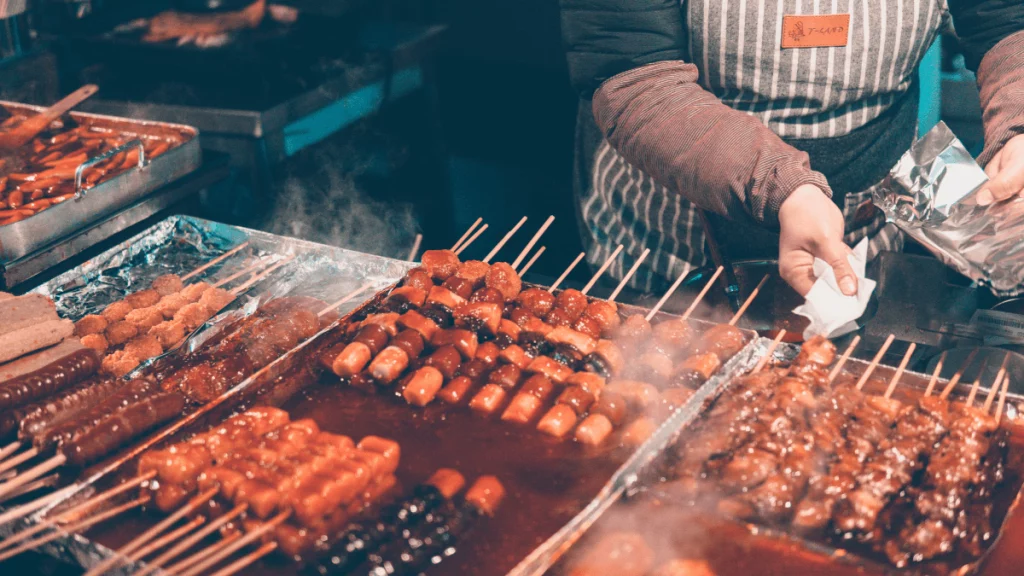
What sets street food apart from other forms of dining is its unique balance of simplicity, accessibility, and innovation. Street food vendors often focus on a few key ingredients or dishes, which they perfect through years of practice and experimentation. These dishes are designed to be quick, affordable, and easy to eat on the go, making them accessible to a wide range of people.
Simplicity: A Focus on Fresh, Quality Ingredients
At the heart of street food is a commitment to simplicity. Street food dishes typically rely on a few high-quality ingredients that are prepared fresh and cooked quickly. Whether it’s the marinated meats for a kebab, the dough for a fresh pretzel, or the fresh herbs and vegetables for a salad, street food vendors often use locally sourced ingredients to create flavorful and satisfying dishes.
The emphasis on simplicity doesn’t mean that street food is devoid of sophistication. In fact, many street food vendors are highly skilled chefs who have honed their craft over years of experience. Whether it’s a perfectly grilled skewered meat or a delicately folded dumpling, street food often showcases a deep understanding of flavor and technique.
Accessibility: Affordable and Convenient for All
Street food’s affordability and convenience are key reasons for its widespread popularity. Unlike fine dining, which requires reservations and formal attire, street food is democratic. It’s meant to be eaten on the go, making it the perfect option for busy urban dwellers, tourists, and those looking for a quick bite on a budget.
In many parts of the world, street food provides an affordable dining option for lower-income communities. In developing countries, where access to formal restaurants may be limited, street food vendors play a crucial role in feeding the population. In places like India, Thailand, and Vietnam, street food can be a lifeline for families, providing affordable, nutritious meals for those who can’t afford more expensive options.
Innovation: New Flavors and Fusions
While street food is rooted in tradition, it is also a space for culinary innovation. Many street food vendors experiment with new flavors, ingredients, and techniques, creating fusion dishes that combine the best of different culinary cultures. In cities like Los Angeles, London, and New York, food trucks and street food markets often feature inventive dishes that blend traditional ingredients with modern twists.
For example, the fusion of Mexican and Korean cuisine has led to the creation of the popular Korean BBQ taco, while the combination of Japanese and American food has given rise to dishes like sushi burritos. This spirit of innovation is part of what keeps street food exciting and relevant, attracting both foodies and casual eaters alike.
4. The Social and Economic Impact of Street Food
Street food is not only a cultural and culinary phenomenon; it also plays a significant social and economic role in communities around the world.
Creating Jobs and Supporting Local Economies
Street food is a vital source of income for many people, particularly in developing countries. In cities across Africa, Asia, and Latin America, street food vendors create jobs for themselves and for those they employ. In some cases, food vendors work in family-run businesses, passing down recipes and techniques from one generation to the next.
In urban areas, street food vendors contribute significantly to the local economy, with entire neighborhoods and districts relying on food markets as major commercial hubs. Street food markets and festivals also provide a boost to tourism, as visitors flock to these areas to sample authentic local cuisine.
Fostering Community and Social Interaction
Street food also fosters community and social interaction. In many cultures, street food is a communal experience, where people gather to share meals, chat, and enjoy the atmosphere. Street food markets often become cultural meeting points, bringing together people from different backgrounds and creating a sense of belonging and connection.
In cities like Bangkok, Istanbul, and Mexico City, street food vendors often become local icons, with regular customers returning to their favorite stalls year after year. These vendors often build close relationships with their customers, becoming an integral part of the community.
Conclusion: Street Food as a Reflection of Global Trends
The rise of street food culture is a testament to the changing dynamics of global food trends. As cities become more connected, and as people increasingly seek authentic, affordable, and convenient dining options, street food has emerged as a powerful force in the culinary world. From its humble beginnings as a quick meal for urban workers to its modern incarnation as a celebrated global movement, street food continues to evolve, adapt, and inspire.
Whether it’s the rich, flavorful dishes of Southeast Asia, the vibrant street markets of the Middle East, or the trendy food trucks in Western cities, street food represents the diversity, creativity, and accessibility of food in the 21st century. It’s a cultural experience, a business model, and a reflection of the ever-changing landscape of global cuisine. As the demand for street food continues to grow, it will undoubtedly remain a defining feature of cities and food cultures around the world.