










Introduction: The Rise of Destination Dining
For years, travel enthusiasts have been driven by a desire to explore cultural landmarks, historical sites, and natural wonders. Yet, a new trend has emerged in the travel world that is changing the way people think about their vacations: destination dining. In recent years, exceptional restaurants have become the new cultural attractions, with food lovers traveling the globe specifically to experience world-class culinary offerings.
Destination dining is more than just eating at a good restaurant; it’s about embarking on a culinary journey, where the food itself becomes a reason to travel. Whether it’s enjoying Michelin-starred meals, sampling innovative cuisine from renowned chefs, or savoring traditional dishes that reflect the culture of a region, dining has transformed into one of the key motivations for people to explore new places.
This article delves into the evolution of destination dining, its impact on the food and travel industries, and the reasons why certain restaurants are now considered pilgrimage sites for food lovers around the world.
Part 1: Defining Destination Dining
1.1 What Is Destination Dining?
Destination dining refers to the growing trend of food enthusiasts traveling specifically to visit exceptional restaurants or culinary hotspots. Unlike typical travel plans, which focus on sightseeing or cultural experiences, destination dining makes the restaurant experience itself the primary attraction. These restaurants often offer an immersive experience where the food is not just a meal, but a piece of art, a window into the culture, or a unique experience that cannot be replicated anywhere else.
While destination dining is typically associated with high-end, Michelin-starred restaurants, it can also include hidden gems or underground dining experiences that offer something unique or innovative. What sets destination dining apart is that the food experience is integral to the traveler’s sense of adventure, often making it the main reason for visiting a specific location.
1.2 Characteristics of a Destination Restaurant
What makes a restaurant a destination in its own right? Here are some key features that define a destination dining experience:
- Innovative Culinary Concepts: Destination restaurants often push the boundaries of traditional cooking. They are places where chefs take risks and explore new techniques, presenting food in ways that challenge the diner’s senses.
- Unforgettable Flavors: A great destination dining experience is about more than just exquisite taste. It involves flavors that are complex, unique, and unlike anything the diner has tasted before. These restaurants often offer tasting menus that allow guests to experience a full range of flavors, textures, and sensations.
- Cultural Immersion: Many destination restaurants tie their cuisine to the culture, history, and traditions of the region. They often use local ingredients, heritage recipes, and sustainability practices that allow diners to experience a deep connection to the place they’re visiting.
- Exclusivity and Atmosphere: Some destination restaurants are located in remote or iconic locations, offering an atmosphere that enhances the dining experience. Whether it’s a restaurant perched high on a mountain, or an intimate space designed by an avant-garde architect, the setting plays an integral role in the overall dining experience.
Part 2: The Evolution of Destination Dining
2.1 A Culinary Movement Born from Michelin Stars
The concept of destination dining has been significantly shaped by the Michelin Guide, a globally recognized authority in fine dining. As the Michelin Guide began to award stars to the finest dining establishments in the world, food lovers started traveling specifically to experience these prestigious restaurants. The allure of Michelin-starred cuisine, with its impeccable service, elevated ingredients, and masterful techniques, became a powerful draw for travelers seeking the pinnacle of culinary excellence.
For many travelers, dining at a Michelin-starred restaurant is now as important as visiting famous landmarks or engaging in other cultural activities. The Michelin star, which has become synonymous with the highest level of gastronomic achievement, offers a status symbol for restaurants and creates a sense of prestige that is hard to match.
2.2 The Influence of Celebrity Chefs
The rise of celebrity chefs has also played a pivotal role in transforming dining into a destination. Chefs like Gordon Ramsay, René Redzepi (NOMA), Massimo Bottura (Osteria Francescana), and Daniel Humm (Eleven Madison Park) have not only built names for themselves but have also created global food movements that attract travelers eager to sample their cuisine. These chefs are known for their creativity, their innovative approaches to food, and their ability to reinvent culinary traditions.
The celebrity chef phenomenon has brought food into the global spotlight, creating food tourism as a legitimate reason for travel. Travelers now actively seek out dining experiences that are designed and curated by world-renowned chefs, often making reservations months in advance to secure a seat at these exclusive locations.
2.3 Social Media and the Democratization of Culinary Fame
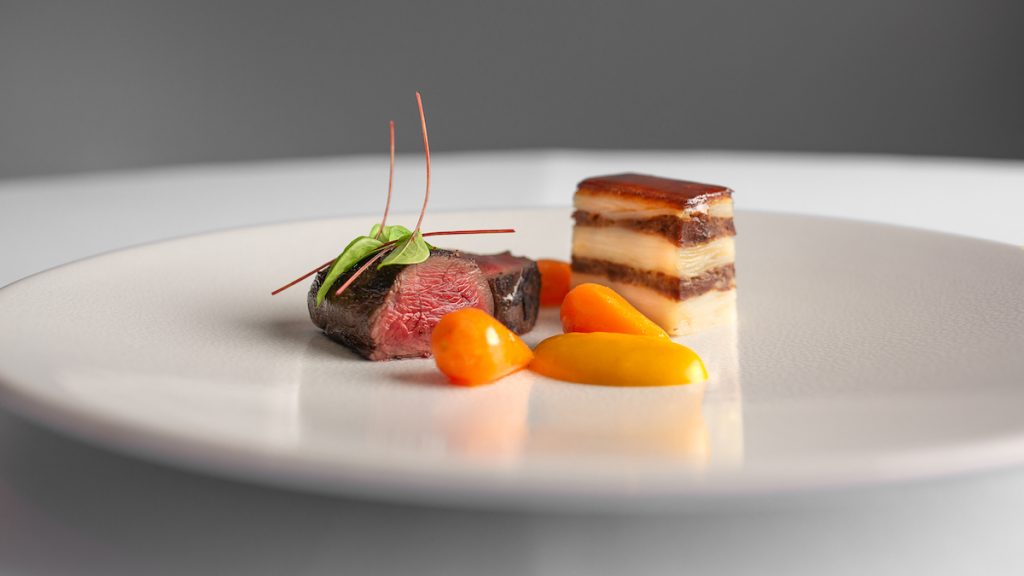
In the age of Instagram, YouTube, and food blogs, destination dining has gained even more prominence. Food photography, especially when coupled with captivating descriptions, has the ability to make a restaurant’s signature dish go viral, bringing it to the attention of a global audience. Social media allows restaurants to showcase their creativity, attract food lovers, and inspire travel through the visual appeal of their dishes.
The power of social media, combined with food media outlets like Netflix’s “Chef’s Table”, has made dining at world-renowned restaurants more accessible and aspirational for food lovers of all backgrounds. The exposure of these food experiences has led to the creation of food-driven itineraries and an increase in culinary tourism.
Part 3: Iconic Examples of Destination Dining
3.1 NOMA – Copenhagen, Denmark
René Redzepi’s NOMA in Copenhagen is perhaps the ultimate example of a destination restaurant. Widely considered one of the best restaurants in the world, NOMA has redefined modern fine dining by focusing on local ingredients, Nordic traditions, and seasonal cooking. The restaurant’s ever-changing menu incorporates elements of foraged foods, such as wild herbs, mosses, and seaweed, which reflect the natural beauty and landscape of Denmark.
NOMA’s concept of dining goes beyond simply eating a meal; it is a journey through Scandinavian culinary history. For many food enthusiasts, dining at NOMA is a once-in-a-lifetime experience, and it has become a must-visit destination for anyone serious about food.
3.2 Eleven Madison Park – New York, USA
In New York City, Eleven Madison Park is another prime example of a destination restaurant. Chef Daniel Humm’s innovative modern American cuisine has earned the restaurant multiple Michelin stars and a position as one of the world’s best dining destinations. Eleven Madison Park focuses on creating an exceptional guest experience, with dishes that are not only delicious but also visually stunning.
Located in the heart of Manhattan, Eleven Madison Park has become a global dining destination, with travelers coming from far and wide to experience its impeccable service and elegant menu. Its influence on New York’s dining scene is unparalleled, and it continues to push the boundaries of what fine dining can be.
3.3 Sukiyabashi Jiro – Tokyo, Japan
For those who appreciate sushi, Sukiyabashi Jiro in Tokyo is the epitome of destination dining. This three-Michelin-starred restaurant is led by Jiro Ono, one of the world’s most renowned sushi chefs. Sukiyabashi Jiro offers a dining experience that is as much about craftsmanship as it is about flavor. The restaurant’s focus on precision and quality ensures that each piece of sushi is an experience in and of itself.
The restaurant’s fame was further cemented by the documentary “Jiro Dreams of Sushi”, which showcased the dedication and artistry behind Jiro’s sushi. Today, Sukiyabashi Jiro remains a pilgrimage destination for sushi lovers around the world.
Part 4: The Future of Destination Dining
4.1 Sustainability and Local Sourcing
As sustainability becomes a core value in modern culinary practices, more destination restaurants are prioritizing locally sourced ingredients and eco-conscious practices. From sourcing meats and vegetables directly from nearby farms to reducing food waste, sustainability is becoming an essential aspect of destination dining.
For travelers, this focus on sustainable dining adds another layer of value to their experience. Many food lovers now seek restaurants that align with their personal values, supporting those that care about the environment, the community, and the future of our planet.
4.2 Technological Innovations in Dining
As technology continues to evolve, the dining experience itself will continue to change. We are already seeing augmented reality (AR) menus, 3D-printed dishes, and even robot chefs entering the culinary world. In the coming years, destination dining may involve immersive experiences where technology enhances the flavor profile of dishes or where diners can interact with the food in new ways.
Conclusion: The Evolution of Culinary Tourism
Destination dining is more than a trend—it is a new era of culinary tourism. With world-renowned chefs, Michelin-starred restaurants, and unique dining experiences becoming integral parts of global travel, food lovers now have an exciting new way to explore the world. As the desire for innovative and sustainable dining grows, the concept of destination dining will continue to evolve, with new experiences and gastronomic discoveries waiting for those willing to embark on the journey. Whether it’s a hidden gem in a small town or a luxurious fine dining restaurant in a bustling city, destination dining has become an essential part of the modern travel experience.