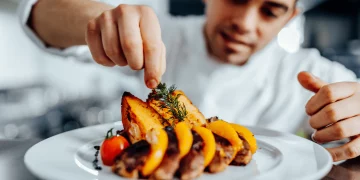










In an age of increasing culinary curiosity and a desire for exclusivity, reservation-based private chef experiences have rapidly risen in popularity. These secretive, intimate dining opportunities—often referred to as hidden restaurants or underground dining—offer more than just a meal; they promise an immersive, personalized gastronomic adventure that appeals to the most discerning food lovers. Whether it’s dining in a chef’s private home, attending a chef’s table experience, or being invited to a limited-seating pop-up restaurant, these experiences provide a unique blend of exclusivity, novelty, and culinary craftsmanship.
This article delves into the growing trend of reservation-only private dining experiences, exploring its rise in popularity, the culinary and social factors that drive this movement, its impact on the dining scene, and how it caters to the evolving desires of today’s food collectors, culinary enthusiasts, and social influencers.
1. The Appeal of Private Dining Experiences
1.1 The Desire for Exclusivity
At the core of private chef dining experiences is the allure of exclusivity. The idea of a private, invitation-only meal appeals to food connoisseurs who are seeking something beyond the ordinary dining experience. Traditional restaurants, with their bustling environments and large menus, can’t offer the same personal touch and intimacy that reservation-based private dining provides.
A reservation-based private dining experience can take many forms, including:
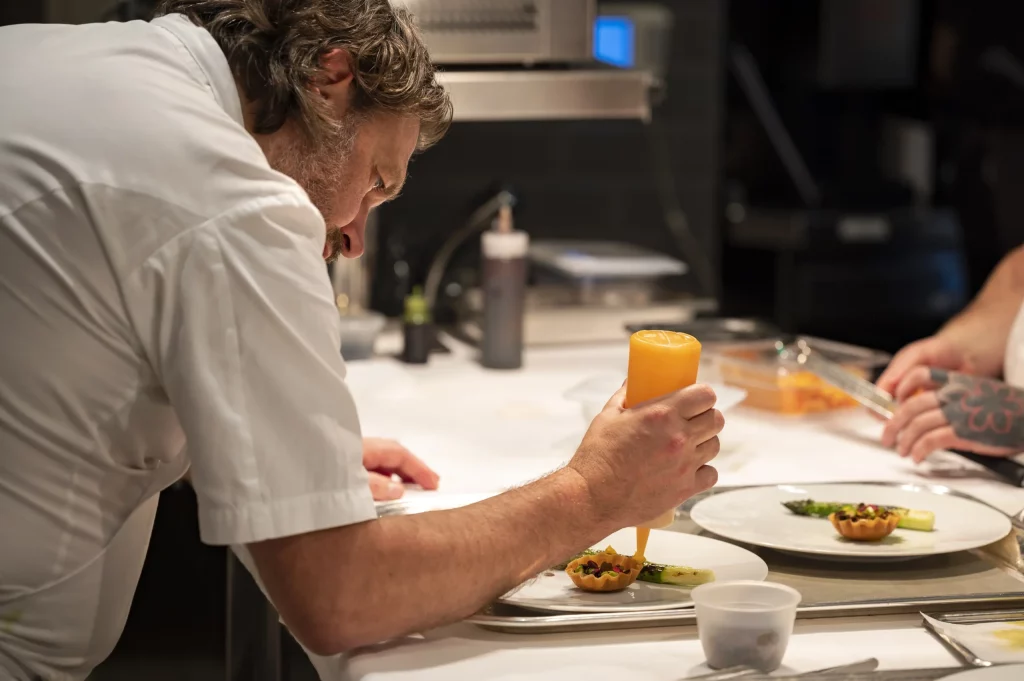
- Chef’s Table: A private dining space where the chef personally prepares and presents a tasting menu, often in an open kitchen setting.
- Secret Pop-up Events: Temporary, location-hidden restaurants that are accessible only to those with an invitation or reservation.
- Home Dining with a Chef: A chef may offer to cook in their own home or in a rented venue, creating a personalized and intimate atmosphere.
- Themed and Collaborative Dinners: A limited-seating dinner event where multiple chefs collaborate to create a singular dining experience, usually with a special theme or concept.
For many, the experience of dining in such a setting is as much about the sense of occasion as it is about the food itself. These experiences offer a sense of privilege, often creating a connection between the diner and the chef that is missing from traditional restaurant experiences.
1.2 The Pursuit of Culinary Novelty
Today’s food lovers are constantly searching for new ways to experience food. The rise of the foodie movement has led to the desire for new tastes, new formats, and new experiences that go beyond the limits of traditional dining. As food tourism and culinary exploration expand, diners are looking for something more unique than ever before.
Private chef experiences allow for curated menus, often based on personal preferences, dietary restrictions, or seasonal ingredients. These meals are not mass-produced; they are crafted for the individual, making them novel, intimate, and at times, even experimental. Whether it’s a custom-designed tasting menu, a local-only ingredient theme, or a creative fusion of flavors, private dining experiences constantly push the boundaries of culinary creativity.
2. The Growing Popularity of Reservation-Based Dining
2.1 The Role of Social Media in Cultivating Culinary Curiosity
Social media platforms, especially Instagram, have played a critical role in the growing interest in reservation-only private dining. Influencers and food bloggers share their experiences of exquisite hidden restaurants, secret pop-ups, and intimate chef’s tables, sparking interest and curiosity among food enthusiasts. Through visually stunning images and the power of hashtags, these platforms create a desire for exclusivity and intimacy in dining, often turning word-of-mouth recommendations into global trends.
High-profile chefs and culinary influencers often announce pop-up events or offer exclusive private dining experiences through social media, giving followers a direct line to the latest, most coveted culinary events. As a result, what was once a niche offering has become a mainstream attraction, with reservations filling up in minutes.
2.2 The Rise of Culinary Collectors
As fine dining becomes more accessible, some consumers have evolved into culinary collectors—individuals who are not only passionate about food but also about curating unique and rare dining experiences. For these food aficionados, dining is not just a pastime but a form of artistic appreciation and cultural exploration. These collectors value rarity and craftsmanship, often seeking out underground restaurants or invitation-only experiences to add to their portfolio of culinary adventures.
This group is typically well-traveled, highly knowledgeable, and always seeking the next best thing in the culinary world. Private dining offers them a chance to personalize their experience, engage with chefs in a way that is not possible in traditional restaurants, and discover hidden gems that the general public may never encounter.
2.3 Limited-Edition and Seasonal Menus
Another factor contributing to the surge in popularity of reservation-based dining experiences is the increasing interest in limited-edition and seasonal menus. Many chefs now create tasting menus based on seasonal ingredients, local food traditions, or even personal memories. These menus are rare, exclusive, and often only available during specific times of the year, making them more desirable for food enthusiasts eager to indulge in something truly special.
The exclusivity of these menus makes them highly sought-after, driving early bookings and premium pricing. The excitement around these experiences is often amplified by the element of surprise, where diners may not know exactly what they will be eating until the night of the event, making it feel like a culinary treasure hunt.
3. The Impact on the Dining Industry
3.1 A New Revenue Stream for Chefs and Restaurateurs
The rise of reservation-based private dining experiences has created new opportunities for chefs and restaurateurs to diversify their offerings. For many chefs, hosting private dinners or pop-up restaurants is a way to showcase their creativity, experiment with new ideas, and reach a more intimate audience without the constraints of a traditional restaurant setting.
These private dining events allow chefs to maximize profit margins by eliminating the overhead costs associated with running a full-scale restaurant. Limited seating, high-end pricing, and a unique experience often result in high-profit margins, making them a lucrative business model for culinary entrepreneurs.
Additionally, many chefs use private dining experiences as a testing ground for new dishes, concepts, or culinary techniques. This format offers a low-risk opportunity to experiment and refine their creations before introducing them to a broader audience.
3.2 A Disruption to Traditional Dining Models
While reservation-based private dining offers opportunities for chefs and diners, it also represents a disruption to traditional dining models. In the past, dining out was a casual, social event where individuals could walk into a restaurant and choose from a menu. The rise of reservation-only dining has shifted this norm, creating a more structured and exclusive dining culture.
This trend challenges traditional restaurant formats, particularly those that rely on volume and mass production. In contrast, private dining events emphasize quality over quantity, allowing chefs to focus on a small number of guests, creating highly customized experiences. While this model may not work for all chefs or restaurants, it signals a shift in how food is valued and appreciated in the modern culinary landscape.
4. The Future of Reservation-Based Private Dining Experiences
4.1 Evolution of Technology in Private Dining
As the demand for private dining experiences grows, the use of technology will play an even larger role in making these experiences seamless. Platforms dedicated to booking exclusive dining events are becoming increasingly sophisticated, offering features like personalized menus, chef interactions, and in-app bookings.
Moreover, virtual private dining experiences are also emerging, allowing diners to connect with chefs in their homes through live streaming or pre-recorded tutorials. This growing trend reflects the increasing digitization of dining and the expansion of culinary experiences beyond physical spaces.
4.2 Sustainability and Ethical Dining
As with all dining trends, there is a growing focus on sustainability and ethical sourcing within the world of private dining. Many private chefs and pop-up events are committed to sustainable practices, utilizing locally sourced ingredients, minimizing food waste, and supporting small-scale producers. This commitment to ethical dining is appealing to modern diners who prioritize environmental responsibility in their food choices.
4.3 New Culinary Frontiers
Looking ahead, the future of reservation-based private dining experiences will likely continue to push the boundaries of creativity, local sourcing, and intimacy. As chefs experiment with new ingredients, techniques, and formats, the next generation of food pilgrims will be seeking the next exclusive culinary adventure, whether in a hidden private dining room, a chef’s home, or a temporary pop-up event.
Conclusion
The emergence of reservation-based private dining experiences marks a significant shift in the way people experience food and dining. These exclusive, intimate events provide food enthusiasts with a rare chance to experience high-end, personalized cuisine in a way that is far removed from traditional restaurants. As demand for these unique dining experiences grows, chefs and restaurateurs will continue to innovate, offering bespoke menus, immersive culinary narratives, and unforgettable dining moments.
For the culinary collectors and food adventurers of the world, these experiences represent the ultimate way to engage with food—not just as a meal, but as a story, an artform, and a memorable journey. The future of dining is undoubtedly private, personalized, and increasingly exclusive, marking a new era in the global culinary landscape.