









In recent years, Melbourne has rapidly established itself as one of the world’s premier cities for culinary diversity and innovation. Known for its eclectic food scene, Melbourne has become a melting pot for various global food cultures, especially Asian street food. What makes Melbourne particularly unique, however, is how the city has seamlessly fused traditional Asian street food styles with modern culinary techniques and stall-based dining experiences to create what is now known as the “Night Market Economy.”
The night market scene in Melbourne, especially in neighborhoods like Fitzroy and Docklands, has become an iconic representation of the city’s urban food culture. These markets—characterized by their vibrant, dynamic environments, open-air settings, and wide-ranging food stalls—offer an immersive, global food experience that attracts thousands of local and international food lovers. But behind this growing trend is a shift in how street food is perceived and consumed, one that blends cultural authenticity with modern convenience, design aesthetics, and culinary innovation.
This article delves into how Melbourne’s night market culture has evolved, its role in the city’s broader food economy, and how it represents a fusion of traditional and contemporary dining experiences that reflects global food trends, particularly the growing influence of Asian street food.
1. The Rise of the Melbourne Night Market: From Tradition to Trend
Melbourne’s journey into becoming a night market hub is not one that occurred overnight. While street food has always been a central aspect of Asian cultures, Melbourne’s embrace of this style of dining reflects the broader global shift towards casual, experiential dining that emphasizes not just food, but the overall experience.
1.1 The Cultural Fusion of Melbourne’s Food Scene
Over the past two decades, Melbourne’s food scene has undergone a dramatic transformation. Once known primarily for its European-influenced cuisine, the city has developed a growing interest in Asian culinary traditions, spurred by an influx of immigrant communities from across Asia. As the globalization of food continues to gather momentum, Melbourne’s restaurants, food trucks, and pop-up stalls have embraced Asian-inspired dishes, from ramen to satay skewers, and everything in between.
However, it is the night market format that has truly encapsulated the fusion of modern convenience and Asian street food culture. In Melbourne, night markets have become a vibrant platform for both food creators and food lovers to celebrate diversity, experiment with new ideas, and share culinary stories in a shared social space.
1.2 The Influence of Traditional Asian Night Markets
The concept of night markets has deep roots in Asian cultures. Countries like Thailand, Taiwan, and China have long embraced night markets as a central aspect of their culinary economies. These markets, traditionally bustling, chaotic, and lively, are not just places to eat—they are social hubs, venues for street entertainment, and a central gathering place for communities.
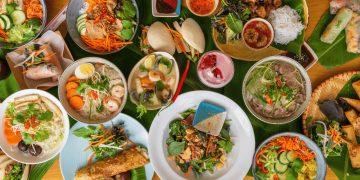
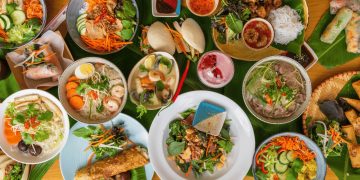
In Melbourne, the influence of these traditional Asian markets is evident. The city’s night markets often feature stalls offering everything from Dim Sum and Banh Mi to takoyaki and bubble tea, creating an immersive experience that transports visitors from the heart of Melbourne to the streets of Bangkok, Taipei, or Hanoi.
2. The Evolution of Melbourne’s Street Food Scene: The Modern Stall
While traditional Asian night markets have their own cultural identity, Melbourne has given the concept a contemporary twist. The rise of modern food stalls—characterized by sleek, aesthetically designed booths offering craft cocktails, gourmet street food, and social experiences—has redefined the city’s night market scene.
2.1 The Design-Aesthetic of Melbourne’s Night Markets
In contrast to the traditional chaos of Asian street markets, Melbourne’s night markets are designed to create an inviting, comfortable, and social atmosphere. Stalls are often arranged in neat rows, with high-end branding, creative signage, and thoughtful lighting that encourages guests to linger, sample, and chat. The food stalls themselves are often visually appealing, featuring modern, minimalist designs and offering an Instagram-worthy aesthetic that appeals to the city’s design-conscious crowd.
While the emphasis remains on food, the focus on design elevates the night market experience, creating a visually stimulating and socially engaging environment that has become as much about the experience as it is about the food.
2.2 Contemporary Street Food Trends in Melbourne
The streets of Melbourne now offer an evolving combination of traditional street food and new-age culinary twists. The most notable characteristic of Melbourne’s street food culture is its fusion approach—blending Asian flavors with modern cooking techniques and a touch of local ingenuity.
- Fusion Cuisines: One of the most exciting trends in Melbourne’s night market culture is the blending of Asian street food with other world cuisines. For instance, you may find Korean BBQ tacos or sushi burritos—dishes that blend Mexican and Japanese influences, created with a distinctly modern flair.
- Artisanal Ingredients: Many Melbourne food stalls have embraced a trend of using high-quality, locally sourced ingredients in their street food offerings. For instance, bánh mì made with locally sourced meats, or ramen crafted with artisanal broths and fresh, organic vegetables.
- Vegetarian and Plant-Based Options: Reflecting broader global trends in health and sustainability, Melbourne’s night market stalls have also incorporated more vegetarian, vegan, and plant-based options into their offerings. These include plant-based bao buns, vegan satay, and vegan dumplings.
2.3 The Role of Modern Technology in Street Food
In Melbourne, technology has also played a role in shaping the street food scene. The use of mobile apps for ordering, QR codes for menu scanning, and digital payment systems have streamlined the dining experience at the night markets, making them more efficient and appealing to younger, tech-savvy consumers. Some markets even offer interactive experiences, where customers can customize their dishes or see the food prepared in real-time, further blending food and entertainment.
3. The Night Market Economy: A Key Driver of Melbourne’s Culinary Tourism
As night markets have gained in popularity, they have also become a significant economic force in Melbourne, driving local tourism and supporting the food economy. These vibrant markets are no longer just a weekend pastime; they have become a key part of the city’s cultural and economic identity.
3.1 Melbourne’s Night Market as a Tourist Attraction
For tourists, Melbourne’s night markets have become one of the city’s key attractions, especially for food lovers seeking an immersive culinary experience. With its ability to offer authentic Asian street food alongside innovative fusion dishes, the night market draws international visitors, eager to experience the diversity and creativity of Melbourne’s food scene.
Visitors from around the world are flocking to the city’s most famous night markets, such as the Queen Victoria Night Market, to sample the best of Melbourne’s street food, engage with the local community, and experience cultural exchange in a vibrant, open-air environment.
3.2 Impact on Local Businesses
The night market economy is also an important platform for local food vendors to showcase their culinary skills. Small businesses and emerging chefs have found a place in Melbourne’s night markets to test out their creations and connect with a larger audience. This platform has led to the success of many street food entrepreneurs who have gone on to open their own restaurants, food trucks, and cafes.
Moreover, the growth of these night markets has sparked greater investment in the city’s food infrastructure, from street food festivals to food-focused events and cooking workshops.
4. The Future of Melbourne’s Night Market Economy
The future of Melbourne’s night market economy looks promising, with ongoing innovations, increased community engagement, and sustainability initiatives shaping the next chapter of this dynamic food culture.
4.1 Embracing Sustainability
As global sustainability concerns continue to rise, Melbourne’s night markets are increasingly focusing on reducing food waste, offering eco-friendly packaging, and supporting local, sustainable sourcing. These changes align with the broader trend toward sustainable dining and reflect Melbourne’s reputation as a forward-thinking, socially responsible city.
4.2 The Growing Role of Street Food in Australian Culinary Identity
As Melbourne continues to embrace its Asian street food influence, the integration of modern stall designs, fusion techniques, and locally sourced ingredients is likely to shape the future of Australian cuisine. The night market movement in Melbourne is not just a passing trend; it is a reflection of the city’s increasing global reach and an expression of the rich diversity that defines modern Australia.
Conclusion
The rise of Melbourne’s night market economy represents the dynamic fusion of traditional Asian street food and modern culinary trends. These markets have become a key social and economic platform, drawing together food enthusiasts, entrepreneurs, and tourists from around the world to enjoy the cultural fusion that Melbourne offers. As the night market scene continues to evolve, Melbourne remains at the forefront of global food innovation, offering a vibrant and ever-evolving food culture for everyone to enjoy.