






Introduction
Known for its vibrant street life, colorful night markets, and endless culinary diversity, Bangkok has long been a paradise for food lovers. The city’s street food scene has become legendary, offering travelers and locals alike a chance to experience a wide range of authentic, flavorful dishes—often at a fraction of the price of dining in a high-end restaurant. Bangkok is not just a destination for traditional Thai dishes but a city where street food becomes gourmet, where the most humble food carts and bustling night markets offer a taste of culinary excellence.
In this article, we will delve into why Bangkok’s street food culture is a global phenomenon, its impact on both local and international food scenes, the variety of food experiences available in the city’s night markets, and how it has earned its reputation as the home of “affordable Michelin-star cuisine.”
I. The Evolution of Bangkok’s Street Food Culture
1. A Rich Culinary History
Bangkok’s street food culture is the result of centuries of culinary evolution, blending the rich flavors of Thailand’s royal cuisine with influences from neighboring countries such as China, India, and Malaysia. The city’s food offerings mirror its history: a dynamic fusion of regional specialties, local ingredients, and global influences that have shaped the food scene.
- Chinese influence: Chinese immigrants brought new ingredients and cooking techniques, such as stir-frying and the use of soy sauce, which became deeply integrated into Thai cuisine.
- Indian influence: The trade routes that passed through Bangkok also introduced Indian spices and curries, which remain essential components of Thai street food.
- Local Thai flavors: Bangkok’s food is heavily defined by local products like rice, seafood, coconut milk, fresh herbs, and spices.
The result is a hybrid culinary tradition that blends street food with high-end, fine dining techniques, making Bangkok a mecca for gastronomes.
2. Street Food Vendors as Culinary Artisans
Unlike in many parts of the world, street food vendors in Bangkok often have years of culinary expertise, sometimes passed down through generations. Many vendors focus on perfecting a single dish, pouring their entire skill and passion into creating the best version of that dish. Whether it’s a bowl of boat noodles, a plate of pad Thai, or a skewer of moo ping (grilled pork), the level of craftsmanship involved rivals that of Michelin-starred restaurants.
Some street food vendors even innovate with new techniques, fusing traditional Thai dishes with modern cooking methods, thus creating entirely new dining experiences. For example, Michelin-starred street food vendors, like Jay Fai (a famous street chef known for her crab omelets), have shown how street food can be elevated to the level of gourmet cuisine.
II. The Night Market Phenomenon
1. The Heartbeat of Bangkok’s Culinary Landscape
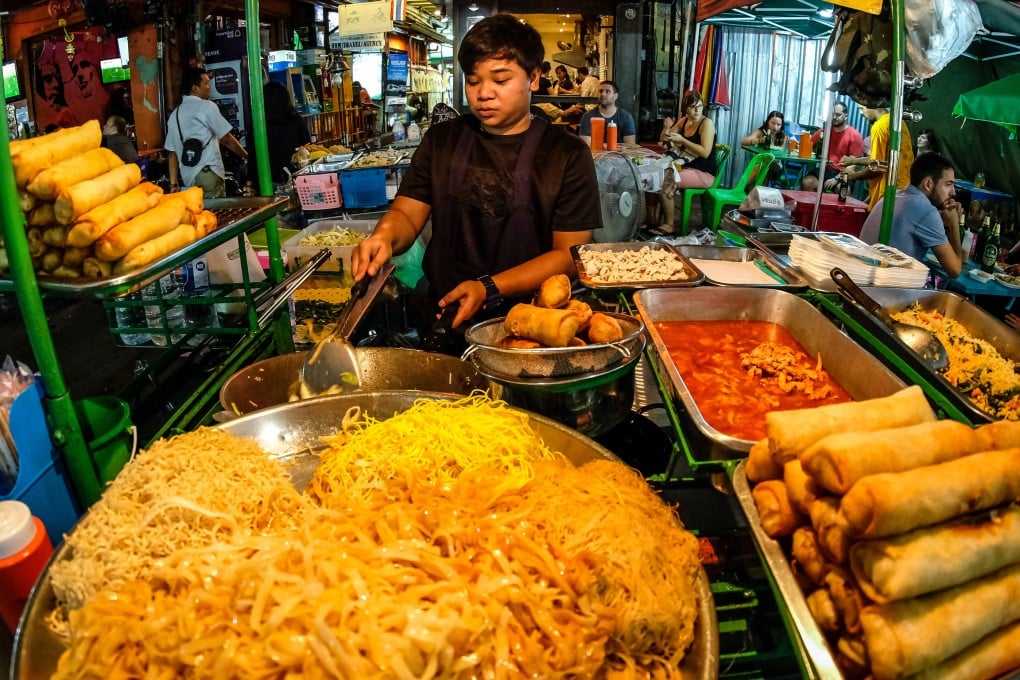
Bangkok’s night markets are more than just places to shop—they are culinary epicenters where tourists and locals converge to sample the best of Thai street food. The Bangkok night market scene is alive with energy, colors, and the sizzling sounds of food being prepared. These markets are an essential part of the city’s culture, attracting visitors from around the world who want to experience the true essence of Thai cuisine.
Some of the most iconic night markets in Bangkok include:
- Chatuchak Night Market: A sprawling market offering everything from clothes and souvenirs to exotic street food. It’s a great place to sample grilled meats, fried insects, fresh fruit smoothies, and much more.
- Ratchada Train Night Market: Known for its vibrant atmosphere and an extensive array of street food options, this market is a popular hangout for both locals and tourists.
- Yaowarat (Chinatown): The historic streets of Chinatown in Bangkok are teeming with food vendors offering a mix of traditional Thai and Chinese dishes—everything from dim sum to stir-fried noodles.
These markets embody the spirit of affordable luxury, where high-quality, fresh food is available at a fraction of the price of fine dining restaurants.
2. Street Food as Affordable Luxury
In recent years, Bangkok’s street food has become synonymous with affordable luxury, offering a Michelin-quality experience at street-level prices. In fact, Bangkok is home to several Michelin-starred street food stalls—a phenomenon that reflects a growing recognition of street food as both artisanal and innovative. The Michelin Guide for Bangkok, which awarded stars to street vendors like Jay Fai, has helped push the boundaries of what people expect from street food.
Food enthusiasts from around the globe are eager to experience high-end street food that is crafted with the same attention to detail, ingredients, and technique as a fine dining experience—without the hefty price tag. The concept of “affordable Michelin-star cuisine” has become a hallmark of Bangkok’s food scene.
III. Signature Dishes of Bangkok’s Street Food Scene
1. Pad Thai: A National Icon
One of the most beloved dishes in Thailand, pad Thai, originated as a street food snack that has evolved into a global sensation. Made with stir-fried rice noodles, egg, tofu, and shrimp or chicken, and topped with crushed peanuts and lime, this dish combines sweet, salty, sour, and spicy flavors—key components of Thai cuisine. Although pad Thai is widely available in Bangkok, the best versions are often found in small street-side carts or local eateries.
2. Som Tum (Spicy Green Papaya Salad)
Another essential street food dish in Bangkok is som tum, a spicy salad made with shredded green papaya, chili, fish sauce, lime, and peanuts. This dish epitomizes the balance of flavors that defines Thai cuisine. Its pungent and refreshing nature makes it a favorite at markets and street stalls, often paired with grilled meats like moo ping (grilled pork skewers).
3. Moo Ping (Grilled Pork Skewers)
Moo ping is one of the most popular street food snacks in Bangkok. These marinated pork skewers are grilled over open flames and often served with sticky rice. Moo ping vendors can be found at virtually every night market and roadside stall, offering a savory and satisfying bite.
4. Boat Noodles
A true Thai classic, boat noodles (known as kuai tiew rua) are small bowls of rice noodles served in a rich, savory broth, often with a mix of beef or pork, and topped with herbs and spices. This dish is served in small portions, allowing diners to sample multiple variations. It was originally sold from boats along Bangkok’s canals, and its name reflects this history.
IV. The Role of Street Food in Bangkok’s Tourism Industry
1. An Essential Part of the Travel Experience
For many travelers, eating street food in Bangkok is a non-negotiable part of their visit. The opportunity to taste authentic and local dishes in a city that is as vibrant and diverse as Bangkok creates a strong emotional connection to the place. Culinary tourism has emerged as a major driver of travel to Bangkok, with food lovers seeking experiences that go beyond traditional sightseeing.
- According to Tourism Authority of Thailand (TAT), food tourism is one of the leading factors influencing travel to Bangkok, with street food tours being a popular choice for tourists.
- Foodie tours and local cooking classes give tourists the chance to not only taste local delicacies but also understand the cooking techniques and ingredients that make Bangkok’s cuisine so unique.
2. Economic Impact on Local Vendors
The rise of Bangkok’s street food scene has had a positive impact on local vendors. Street food is a thriving business for many families and small entrepreneurs, providing them with a stable income while preserving traditional culinary practices. The Michelin recognition of street food vendors has given many of these small businesses international visibility, attracting a global clientele.
V. Challenges Facing Bangkok’s Street Food Scene
Despite its popularity, Bangkok’s street food culture faces several challenges:
- Urban Development: The city’s rapid urbanization threatens traditional street food areas. Many food stalls are forced to relocate due to real estate development, reducing the availability of iconic food spots.
- Hygiene and Safety Concerns: While street food in Bangkok is generally safe to eat, tourists often have concerns about food safety. Vendors must continually ensure that their hygiene practices meet global standards.
- Regulation and Licensing: The growth of street food in Bangkok has led to regulation issues concerning permits, health standards, and space for vendors. The challenge is to maintain the vibrancy and accessibility of street food while ensuring safety and order.
Conclusion
Bangkok’s street food scene is a testament to the creativity, authenticity, and cultural richness of Thai cuisine. From humble street-side stalls to Michelin-starred food carts, the city has become the ultimate destination for food lovers who want to experience a combination of authentic flavors and gourmet quality at affordable prices. Whether it’s a plate of pad Thai, a bowl of boat noodles, or skewers of grilled pork, Bangkok’s street food is not just a meal—it’s a journey into the heart of Thai culture.
As more and more travelers seek out local, experiential dining, Bangkok remains a shining example of how street food can be elevated to a global gastronomic phenomenon. For anyone who wants to truly “eat like a local” and experience the best of what a city has to offer, Bangkok is the place to be.