









Introduction
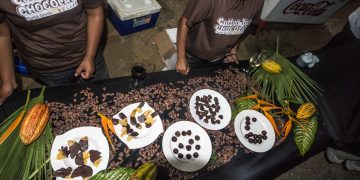
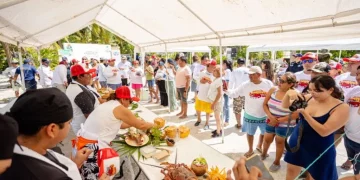
In an era of global travel where Instagrammable landmarks often dominate itineraries, a new trend is reshaping the way travelers experience the world: “eat like a local.” Rather than simply visiting popular tourist attractions, an increasing number of travelers are seeking immersive culinary experiences that connect them to the authentic tastes, traditions, and stories of the places they visit.
This trend is not merely about food; it reflects a larger desire for authenticity, cultural understanding, and personal connection. It transforms travel from a passive sightseeing activity into a multisensory journey, where flavors, textures, and aromas serve as gateways to local culture. Eating like a local allows travelers to understand the social fabric, history, and daily life of a destination—through its food.
This article explores the rise of the “eat like a local” movement, the factors driving it, its impact on tourism and local economies, and how travelers can meaningfully engage with local food cultures.
I. Understanding the “Eat Like a Local” Trend
1. Defining the Concept
“Eating like a local” goes beyond sampling regional dishes at renowned restaurants. It involves immersive participation in the local food ecosystem:
- Visiting street food stalls and family-owned eateries instead of international chains.
- Purchasing fresh ingredients from local markets and learning from community cooks.
- Engaging with food-related customs and rituals unique to a region.
This approach transforms dining into a cultural experience. Travelers not only taste the food but also understand the stories, techniques, and history behind it.
2. The Drivers Behind the Trend
Several factors have fueled the popularity of eating like a local:
- Cultural Authenticity: Modern travelers increasingly prioritize genuine cultural experiences over generic tourism. They want to understand how local communities live, work, and eat.
- Social Media Influence: Platforms like Instagram, TikTok, and Xiaohongshu (Little Red Book) showcase hidden food gems, inspiring travelers to seek off-the-beaten-path culinary experiences.
- Sustainability Awareness: By choosing local ingredients and small-scale eateries, travelers contribute to community economies and reduce the carbon footprint associated with industrialized food chains.
- Experiential Travel: Food tourism is now about participation—cooking classes, food tours, and farm visits offer interactive experiences that enrich a traveler’s journey.
II. Street Food as a Window into Local Life
1. The Appeal of Street Food
Street food often embodies the essence of local cuisine. It reflects centuries of culinary evolution and adapts quickly to contemporary tastes. For travelers, street food provides affordable, accessible, and authentic experiences, often served by vendors with deep cultural knowledge.
Examples include:
- Bangkok, Thailand: Vibrant night markets feature dishes like pad Thai, som tam (spicy papaya salad), and mango sticky rice. Each dish represents local history, agriculture, and social habits.
- Mexico City, Mexico: Tacos al pastor and tamales showcase the fusion of indigenous ingredients with Spanish colonial influences. Street vendors carry generational culinary expertise.
- Istanbul, Turkey: Simit, kebabs, and freshly brewed Turkish tea are part of everyday local rituals, offering travelers a glimpse of daily life beyond tourist zones.
2. Street Food Tours and Experiences
Modern travelers often join street food tours, guided by locals who share both culinary knowledge and historical context. These tours provide:
- Insights into ingredients and preparation techniques.
- Stories about local customs and regional differences.
- Safe and curated access to hidden food spots that may otherwise be difficult to navigate for outsiders.
Such tours transform street food from a casual snack into a cultural and educational journey.
III. Local Markets: The Heart of Regional Cuisine
1. Freshness and Seasonality
Local markets serve as a hub for authentic culinary experiences. They provide insight into:
- Regional produce: Farmers’ markets reveal what is locally grown and in season.
- Traditional preparation methods: Sampling cheeses, breads, or preserved foods offers insight into heritage techniques.
- Community interactions: Negotiating prices or learning about ingredients creates a more personal connection with local culture.
2. Participatory Culinary Tourism
Travelers increasingly engage in hands-on experiences:
- Selecting fresh vegetables or seafood under the guidance of local vendors.
- Attending cooking workshops that highlight regional dishes.
- Learning traditional food preservation or fermentation techniques.
These activities reinforce the traveler’s sense of connection to the destination and deepen appreciation for culinary heritage.
IV. Home Dining and Family Experiences
1. The Rise of Dining in Local Homes
Platforms like EatWith, BonAppetour, and local initiatives in cities worldwide allow travelers to share meals with local families. These experiences go beyond flavor, encompassing:
- Traditional home-cooked meals prepared using family recipes.
- Conversations that offer cultural insights and storytelling.
- Opportunities to witness food rituals and etiquette firsthand.
2. Impact on Local Communities
Dining with locals benefits both travelers and residents:
- Travelers gain authentic knowledge and meaningful connections.
- Families and small-scale chefs generate economic opportunities.
- Cultural heritage is preserved and shared, creating intergenerational continuity.

V. Culinary Immersion as a Travel Philosophy
1. Beyond Eating: Cultural Understanding
Eating like a local is not solely about consumption; it is a lens to understand society:
- Regional dishes often reflect historical events, migrations, and trade influences.
- Meal structures and etiquette reveal social norms and relationships.
- Ingredients reveal climatic and geographical contexts, linking cuisine to the natural environment.
2. Experiential and Sustainable Travel
Culinary immersion aligns with modern travel ethics:
- Encourages sustainable food practices, supporting small producers rather than mass-market chains.
- Fosters respect for local customs, reducing the impact of overtourism.
- Enhances meaningful travel experiences, making journeys memorable beyond sightseeing.
VI. Challenges and Considerations
1. Food Safety and Accessibility
While street food offers authenticity, travelers must be aware of hygiene practices, particularly in regions with limited sanitation infrastructure. Recommendations include:
- Choosing stalls with high local patronage, which indicates quality and trust.
- Observing food preparation methods before purchasing.
- Avoiding uncooked or questionable ingredients when in doubt.
2. Avoiding Cultural Appropriation
Eating like a local involves cultural respect, not just consumption. Travelers should:
- Appreciate the historical and social context of dishes.
- Avoid treating food as a touristic novelty devoid of meaning.
- Engage with local vendors and communities ethically, acknowledging their expertise.
VII. The Future of Eating Like a Local
1. Integration with Technology
Apps and digital platforms are increasingly guiding travelers toward authentic local food experiences:
- TripAdvisor, Google Maps, and Xiaohongshu now feature user-generated recommendations that highlight hidden local gems.
- AI-driven recommendations and food-focused itineraries are helping travelers discover neighborhoods overlooked by mainstream tourism.
2. Culinary Travel as a Global Movement
Eating like a local is becoming a defining aspect of experiential travel:
- Culinary tourism is projected to grow faster than traditional tourism, reflecting a global desire for immersion, learning, and authenticity.
- Local food festivals, street food markets, and neighborhood tours are increasingly central to tourism marketing worldwide.
By embracing this trend, travelers not only enjoy unique flavors but also participate in sustainable, culturally aware travel practices that strengthen local economies and preserve culinary heritage.
Conclusion
The “eat like a local” trend marks a profound shift in the way people experience travel. It emphasizes authenticity, immersion, and cultural connection, transforming food from a mere necessity into a powerful tool for understanding a place and its people. From bustling street stalls and family-run restaurants to hands-on cooking experiences and local markets, eating like a local offers travelers unforgettable stories, flavors, and human connections.
In a world where travel can often feel curated and commodified, the act of sharing a meal with locals—experiencing their food, traditions, and daily life—stands out as one of the most genuine, enriching, and memorable ways to explore the world. Eating like a local is no longer just a culinary choice—it is a philosophy of travel, one bite at a time.