









Introduction
Travel has evolved beyond the simple act of sightseeing. For the modern global traveler, the desire for authenticity is paramount. No longer satisfied with merely ticking off major tourist attractions, today’s explorers seek experiences that allow them to immerse themselves in local cultures—and one of the most profound ways to do this is through food. Culinary tourism has emerged as one of the most exciting and rapidly growing trends in travel, as travelers crave authentic, local dining experiences that connect them to the people, traditions, and landscapes of the places they visit.
The shift toward eating like a local reflects a broader trend in which food is no longer just sustenance but a way to understand the history, identity, and values of a culture. Whether it’s tasting a street food vendor’s specialty in Bangkok, sipping on a locally brewed craft beer in Belgium, or learning how to cook traditional pasta in an Italian village, food offers travelers a direct connection to the soul of a place. This article explores the rise of local food experiences, how they enhance the tourism industry, and why more and more travelers are prioritizing authenticity in their culinary journeys.
I. The Evolution of Travel and the Rise of Culinary Tourism
1. From Tourist Attractions to Authentic Experiences
In the past, tourism focused on visiting iconic landmarks such as the Eiffel Tower, Great Wall of China, or Machu Picchu. Travelers typically followed well-established itineraries that led them from one famous sight to another. But as global travel has become more accessible, particularly with the advent of budget airlines and online travel platforms, many travelers have become increasingly disillusioned with overcrowded, commercialized attractions.
Today, there is a growing desire for deeper, more meaningful experiences that allow travelers to connect with the local culture on a personal level. This trend, which has given rise to the concept of “slow travel”, emphasizes quality over quantity, authenticity over mass tourism, and immersion over superficial exploration. And one of the best ways to achieve this is through food.
2. The Role of Food in Cultural Immersion
Food is a powerful tool for understanding and experiencing the history, traditions, and values of a culture. In fact, eating like a local is often considered one of the most authentic ways to engage with a destination. It provides insight into the geography, agriculture, climate, and socioeconomic factors that shape a region’s culinary identity.
Local dishes often have stories behind them—whether it’s the humble origins of Mexican tacos, the influence of colonialism on Indian curry, or the ancient techniques used to make Japanese sushi. By tasting the food that has been prepared and consumed by generations, travelers gain a sense of connection to a place that sightseeing alone cannot provide.
II. Why Travelers Are Seeking Local Culinary Experiences
1. Authenticity in an Over-Commercialized World
As global tourism has grown, so too has the rise of tourist trap restaurants that cater to international visitors rather than local customs and ingredients. These establishments often serve a generic version of a region’s cuisine, designed to appeal to foreign palates, rather than offering the true essence of the local food culture. In response to this, many travelers are seeking out experiences that allow them to bypass these tourist-centric dining spots and experience authentic, locally-produced dishes that offer a true taste of the culture.
Food tours, cooking classes, and farm-to-table dining experiences have become immensely popular because they allow travelers to learn about local ingredients, preparation techniques, and cultural significance—enriching their travel experience and offering a deeper connection to the destination.
2. A Desire for Unique and Memorable Experiences
Modern travelers are increasingly looking for experiences that differ from the mainstream. Instead of the cookie-cutter tourist experience, people crave something more personal, distinctive, and memorable. Dining with locals, whether in a humble street stall in Bangkok or a hidden rooftop restaurant in Istanbul, provides an opportunity to experience something off the beaten path—something that can’t be replicated anywhere else in the world.
Food experiences offer multi-sensory engagement that connects travelers with a place in a more visceral way than simply looking at a monument. The smell, taste, and texture of food carry deep cultural meaning and can transport people to another time and place, offering them an experience that stays with them long after the trip is over.
3. A Way to Support Local Economies
As travelers become more conscious of their impact on the places they visit, many seek ways to support local communities and economies. By choosing to eat at small, family-run restaurants or street vendors, they are directly contributing to the livelihoods of local chefs, farmers, and artisans. This is part of the broader movement towards sustainable tourism, which encourages travelers to make choices that support the long-term wellbeing of the destinations they visit.
This commitment to sustainability can be seen in the rise of ethical food tourism, where travelers choose experiences that are not only authentic but also promote local sustainability—such as eating organic produce, supporting local food artisans, or choosing farm-to-table experiences that reduce food miles and encourage environmentally responsible farming practices.
III. How Local Food Experiences Enhance the Travel Industry
1. Culinary Tourism as a Growing Economic Sector
As global travelers increasingly seek authentic food experiences, the travel and hospitality industries have responded by expanding their culinary offerings. Food tourism has become a major economic driver, with countries and cities leveraging their unique culinary traditions to attract visitors.
For example, cities like New York, Paris, and Tokyo have long been considered food capitals of the world, with food tours, cooking schools, and local delicacies drawing travelers from around the globe. Even destinations previously overlooked by tourists are now positioning themselves as culinary hotspots. Mexico City, for example, has emerged as a global food destination, offering travelers access to everything from traditional tacos to innovative takes on Mexican fusion cuisine.
The trend is also benefiting rural regions, where agritourism and food-focused travel are helping to revitalize local economies and provide farmers and producers with new markets for their goods.
2. Local Food Festivals and Events
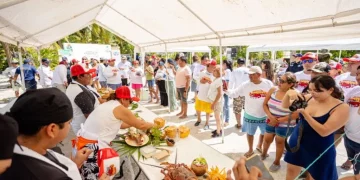
Culinary tourism has led to the rise of food festivals and gastronomic events that showcase the culinary diversity of a region. These events attract food lovers and provide a platform for local chefs, artisans, and producers to display their work. Cooking demonstrations, wine tastings, and street food markets give travelers a chance to taste a wide variety of local flavors and dishes in one place, while also learning about the cultural traditions that shape these foods.
The rise of events like the Milan Food Week, Madrid Fusion, or the Maine Lobster Festival is a testament to the growing interest in food-related travel experiences. These festivals offer not only a feast for the taste buds but also an opportunity for travelers to interact with locals, learn about regional ingredients, and immerse themselves in the food culture of the area.
IV. How Technology Is Facilitating Local Food Experiences
1. Digital Platforms for Food Travel
In recent years, technology has played a pivotal role in facilitating local food experiences for travelers. Online platforms such as Airbnb Experiences, Eatwith, and TripAdvisor allow users to book authentic food experiences directly with local chefs, home cooks, and farmers. These platforms connect travelers with real locals who are eager to share their culinary traditions.
Travelers can now take a cooking class in Tuscany, enjoy a homemade meal with a local family in Mexico, or go on a food tour in Bangkok—all arranged with a few clicks on their smartphones. This democratization of food experiences has made it easier than ever for travelers to find and enjoy authentic local meals, regardless of where they are in the world.
2. Social Media and the Influence of Food Blogging
Social media has also played a key role in promoting local food experiences. Platforms like Instagram, YouTube, and TikTok are filled with food bloggers and content creators who showcase unique dishes, hidden gems, and off-the-beaten-path restaurants. Travelers now turn to food influencers for recommendations on where to find the best local eats and how to experience food in an authentic way.
Food-related content, from food challenges to behind-the-scenes looks at restaurant kitchens, has not only raised awareness of local culinary offerings but also made food tourism a mainstream part of travel culture.

V. The Future of Culinary Tourism
1. A More Inclusive Food Culture
As culinary tourism continues to evolve, we can expect a growing emphasis on diverse and inclusive food cultures. Travelers are increasingly seeking out plant-based options, gluten-free, and allergen-friendly experiences, as well as foods that reflect the local indigenous cuisines or immigrant influences. The future of culinary tourism will be marked by an openness to embracing the varied and vibrant culinary traditions from around the world.
2. Sustainable and Ethical Dining
Looking ahead, sustainable and ethical dining practices will become even more critical. Consumers are more aware than ever of the impact their food choices have on the environment. As such, the future of culinary tourism will likely include an increased focus on sustainable sourcing, zero-waste practices, and food that respects the earth.
Conclusion
The desire to eat like a local is more than just a trend—it is a reflection of the changing nature of global travel. As travelers seek out more authentic, immersive, and sustainable experiences, food has emerged as one of the most powerful ways to engage with and understand a culture. Whether through street food, farm-to-table experiences, or cooking classes, the global traveler’s appetite for local cuisine is reshaping the tourism industry. In this new era of travel, the journey to eat like a local is no longer just about what’s on the plate—it’s about connecting with the land, the people, and the stories behind the food itself.