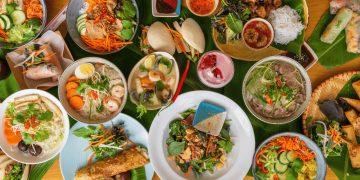










Introduction: The Emergence of Food Travel Fusion
In recent years, the way people travel has undergone a profound transformation. No longer just about visiting landmarks, experiencing new cultures, or relaxing in picturesque settings, the modern traveler is increasingly seeking experiences that combine both food and travel. The concept of food travel fusion, also known as gastronomic tourism, is quickly becoming one of the most popular and enriching ways to explore the world.
Food is no longer just a part of the travel experience— it has become the centerpiece. This new approach encourages travelers to explore different regions through their culinary landscapes, allowing them to discover not only the culture and history of a place but also its identity, people, and traditions through the flavors and ingredients they consume.
This article will explore the rise of food travel fusion, delving into how it has evolved into a primary form of travel for many and why it has become a powerful tool for cultural exchange and sustainability. We will examine the key components of this new travel trend, from food tours and cooking classes to regional delicacies and the rise of culinary experiences that go beyond just dining. Ultimately, this fusion of food and travel represents a new generation of exploration—one that is as much about the plate as it is about the journey itself.
I. The Evolution of Food Travel: A New Way to Explore the World
1.1 From Tourist Attractions to Culinary Destinations
Traditionally, travel was about sightseeing and exploring new landscapes. Whether it was gazing upon the Eiffel Tower in Paris or visiting the Great Wall of China, travelers focused primarily on iconic landmarks. However, in the 21st century, there has been a significant shift in how people define and experience travel. The modern traveler is now much more interested in authentic and immersive experiences, and food plays an integral part in this new style of tourism.
As people become more discerning about their travel experiences, destinations are increasingly positioning themselves as culinary hotspots, offering opportunities to explore the local cuisine through food tours, farm-to-table experiences, or cooking workshops. This shift is partly driven by the rising popularity of food-centric media, such as food documentaries and travel shows, that emphasize how food is intertwined with culture and history.
1.2 Food as Cultural Identity: The Power of Flavors and Ingredients
Food is more than just fuel for the body—it is a reflection of cultural identity. Every dish tells a story, representing the values, traditions, and influences of a particular region. For example, the spicy curries of India, the pasta of Italy, and the sushi of Japan are not just meals; they are emblematic of the culture, history, and people who created them. As travelers increasingly seek to immerse themselves in the local culture, food has naturally become one of the most powerful tools for learning about a destination.
II. Culinary Tourism: The Rise of Immersive Food Experiences
2.1 Food Tours: The Gateway to Culinary Exploration
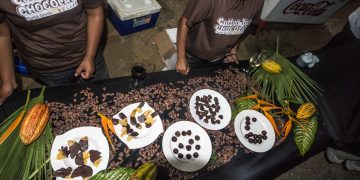
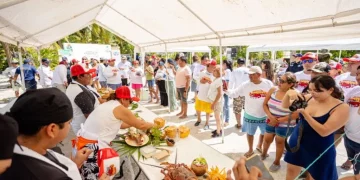
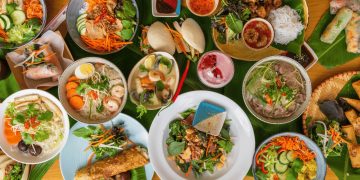
One of the most popular ways for travelers to engage with food is through food tours. These tours often focus on local specialties, street food, and the flavors that define a particular destination. Whether it’s sampling tapas in Spain, pho in Vietnam, or dim sum in Hong Kong, food tours offer an authentic way to taste the region’s heritage and traditions.
These tours are often led by local experts who provide context, history, and anecdotes about the dishes and ingredients, creating a deeper understanding of the culinary culture. Food tours not only allow travelers to taste the most iconic dishes, but they also give them the chance to visit local markets, interact with food producers, and see how the ingredients are sourced, prepared, and served.
2.2 Cooking Classes: From Kitchen to Table
Another aspect of food travel fusion is the growing interest in cooking classes. Travelers no longer just want to eat the food—they want to learn how to make it. Cooking classes provide a unique opportunity for participants to engage directly with local chefs and learn traditional techniques and recipes. In many cases, these classes take place in family kitchens, vineyards, or cooking schools, offering an intimate, hands-on experience.
Cooking classes are popular in places like Thailand, where visitors can learn to make Pad Thai and green curry; in Italy, where they can master the art of making pasta and pizza; and in Mexico, where travelers learn to make salsa and tacos. These classes not only teach culinary skills but also immerse travelers in the local culture, allowing them to connect more deeply with the people and traditions that shape the food.
III. Regional Delicacies: A Journey Through Unique Tastes
3.1 Exploring Traditional Dishes
One of the main attractions of food travel fusion is the chance to taste regional delicacies that cannot be found elsewhere. These dishes are often family recipes, passed down through generations, and are deeply tied to the local culture and environment. For example, in New Orleans, travelers may enjoy a bowl of gumbo, a rich stew of seafood, sausage, and vegetables; in Japan, visitors can savor kaiseki, a multi-course meal that highlights seasonal ingredients and delicate flavors.
These regional delicacies tell a story of the land, climate, and traditions of the area. For example, dishes that rely on seasonal ingredients or locally sourced products reflect the agricultural practices of the region, while the use of specific herbs and spices reveals historical influences such as trade and migration.
3.2 Sustainable and Ethical Culinary Practices
As food tourism becomes more popular, there is also a growing interest in sustainable food practices. Many travelers are now seeking destinations that offer eco-friendly food experiences, such as organic farms, local markets, and restaurants that focus on using seasonal and ethical ingredients. The rise of the farm-to-table movement has sparked a global interest in how food is produced, prepared, and consumed, and many food travelers are eager to learn about sustainable agricultural practices.
Some destinations, like California’s Napa Valley or Italy’s Tuscany, are known for promoting sustainability in their culinary offerings, emphasizing the importance of local sourcing, minimal waste, and environmentally friendly practices.
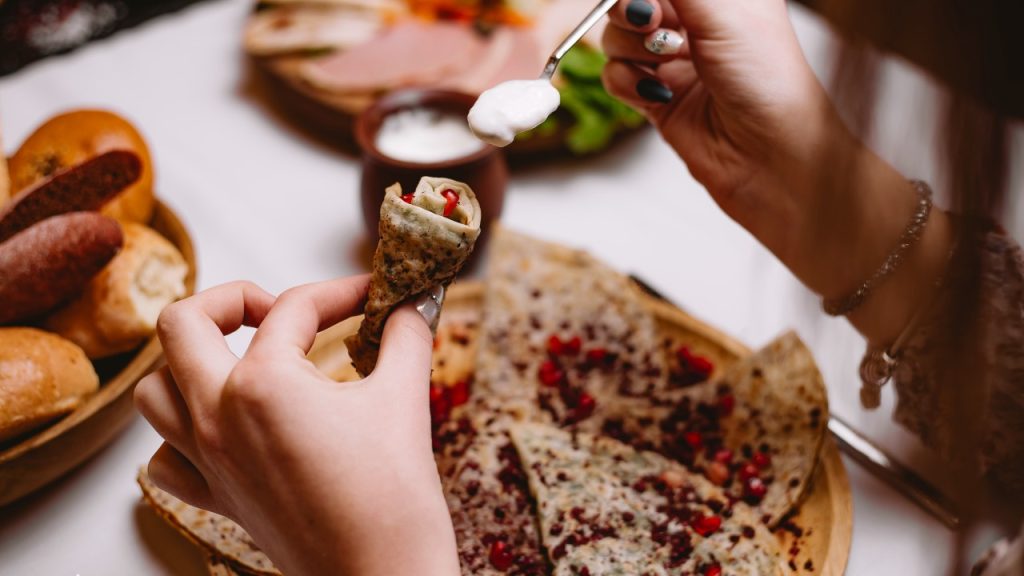
IV. Food and Travel Media: Inspiring the Next Generation of Food Travelers
4.1 The Influence of Social Media
Social media has played a significant role in the rise of food travel fusion. Platforms like Instagram, TikTok, and YouTube allow travelers to share their culinary experiences with a global audience. This has led to the democratization of travel content, where even the most remote destinations can be showcased through the lens of food.
Food influencers, travel bloggers, and chefs are now more accessible than ever, providing inspiration for those seeking unique travel experiences. Whether it’s a viral video of a street food vendor in Bangkok or a Michelin-starred restaurant in Paris, social media allows travelers to get a taste of what’s out there before embarking on their own food-focused adventures.
4.2 Documentaries and Travel Shows
In addition to social media, food documentaries and travel shows have played a major role in popularizing culinary travel. Shows like Chef’s Table, Street Food, and Parts Unknown (hosted by the late Anthony Bourdain) have captured the hearts of audiences worldwide by showcasing the beauty, complexity, and cultural significance of food around the world.
These shows have elevated food travel beyond just eating—it’s about understanding the cultural context, history, and people behind the dishes. For many travelers, these programs serve as both entertainment and inspiration, motivating them to explore new destinations and dive deeper into the food culture of different regions.
V. The Future of Food Travel Fusion
5.1 The Rise of Culinary Itineraries
As demand for food-centered experiences continues to grow, travel agencies and tour operators are responding with curated culinary itineraries that focus on food as the main attraction. These itineraries are designed to offer a comprehensive food experience, often combining cooking classes, food tours, vineyard visits, and even hands-on harvesting experiences. For example, wine and food tours in regions like Bordeaux, Tuscany, and California offer travelers the chance to learn about the production and pairing of wines with food, all while enjoying the stunning landscapes of the wine regions.
5.2 Sustainability and the Future of Gastronomic Travel
Looking ahead, one of the major challenges for food travel fusion will be ensuring that these experiences are sustainable and ethically responsible. As more travelers seek out food-related experiences, it will be important to ensure that local ecosystems, economies, and cultures are respected and supported. Travelers will need to prioritize destinations and experiences that focus on sustainable agriculture, ethical sourcing, and reducing food waste.
5.3 Cultural Sensitivity and Culinary Tourism
With the rise of food travel, it is also crucial for travelers to approach culinary tourism with respect and cultural sensitivity. Some foods and traditions may hold deep significance for local communities, and it’s important for travelers to engage with them in an ethical and respectful manner. As gastronomic tourism continues to grow, education about cultural sensitivity and responsible travel will be essential for preserving the integrity of the culinary experiences.
Conclusion: A New Way to Travel, A New Way to Connect
Food travel fusion represents more than just a trend; it is a new way of thinking about travel and experiencing the world. By focusing on food as a means to connect with culture, history, and people, this type of travel offers a richer, more meaningful journey. As travelers continue to seek authentic, immersive experiences, food will remain a central and powerful element of exploration, learning, and connection.
In the coming years, food and travel will continue to evolve, creating an even more dynamic and enriching landscape for those eager to explore the world one bite at a time. Whether through food tours, cooking classes, or simply savoring local specialties, the fusion of food and travel will continue to transform how we see the world and how we connect with it—ultimately making food the lens through which we explore life itself.